
PMS is rarely talked about, yet for many women it’s genuinely debilitating — a monthly stretch of symptoms that can affect mood, energy and daily life. If you’re one of the many people who deal with it, here are 10 of the best tips for coping with PMS.
PMS Symptoms
PMS can bring a real mix of symptoms, including:
- anxiety
- bloating
- skin breakouts
- food cravings
- headaches
- forgetfulness
- fatigue
Half the world’s population deals with this at some point, and many of us just accept it as normal. But there are things that can help ease the symptoms and make that time of the month more manageable. Here are our top tips for coping with PMS.
Top Tips for Coping with PMS
#1. Invest in a Hot Water Bottle
Fill your hot water bottle with warm (not boiling) water to help ease cramps and back pain. If you have a microwavable warmer pack, warm it gently and use that instead.
#2. Exercise Every Day
Even when you don’t feel like it, try to get some movement in every day — even a walk around the block with the dog. It really does help you feel better.
 #3. Try an Epsom Salt Bath

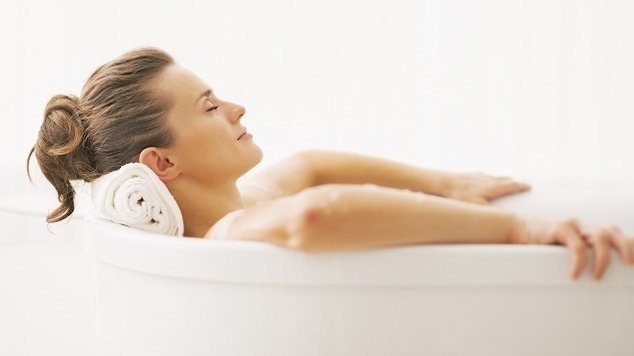
Add some Epsom salts to your bath. Epsom salts are rich in magnesium, which can help ease symptoms of PMS such as water retention, bloating, muscle cramps and stress.
#4. Try to Get a Good Night’s Sleep
Quality sleep gives your body the rest it needs to prepare for the next day. A cup of chamomile tea before bed, or a few drops of lavender, can help you relax and drift off.
#5. Meditate
Mindfulness and relaxing practices such as yoga and tai chi can be effective for easing cramps and pain.
#6. Identify Food Intolerances
If you suspect certain foods might be making things worse, it’s worth exploring this with a healthcare professional. Identifying and cutting out foods you’re intolerant to may help ease symptoms including bloating, fatigue and abdominal pain.
#7. Balance Blood Sugar Levels
Eat little and often, and include some protein with each meal and snack — hummus and oatcakes are an easy option.
 #8. Treat Yourself

Do something that helps you feel more confident and content. Meet up with a friend you haven’t seen in a while, take in a movie, or treat yourself to a pedicure or manicure.
#9. Track Your Symptoms
Keeping a diary or using a tracking app is a great way to monitor your PMS symptoms. Over time, you’ll start to learn what’s normal for you.
#10. Open Up About PMS
Seek support from your GP, partner, friends and family. It’s always good to talk — you don’t have to manage it alone.
FAQs About Coping with PMS
Is PMS the same for every woman?
No. Symptoms and severity vary a lot from person to person, and can even change from month to month for the same person.
When should I see a doctor about PMS?
If your symptoms feel severe, are disrupting your daily life, or you’re worried something else might be going on, it’s a good idea to talk to your GP.
Can diet really make a difference to PMS symptoms?
For many people, eating regularly, balancing blood sugar and identifying any food intolerances can help ease symptoms like bloating and fatigue — but everyone responds differently.
Are natural remedies like Epsom salts and lavender proven to work?
Many women find these comfort measures genuinely helpful for relaxation and easing tension, though individual results vary.

Have you got any other tips to help with PMS? Tell us in the comments below.
—
You might also like: Looking After Yourself for the Kids’ Sake
—
Save These Tips for Later
Bookmark this page or save it to your favourites so you’ve got these tips handy whenever you need them.
Want More Family Life Ideas?
Sign up for our free newsletter for weekly tips, activity ideas and support for parents — straight to your inbox, no spam, just useful stuff.