
PMS (premenstrual syndrome) is something many women experience every month, yet it’s still something we don’t talk about enough. The symptoms — anxiety, bloating, breakouts, cravings, headaches, forgetfulness and fatigue — can genuinely knock you off your stride, but there are simple, practical things you can do to feel more like yourself again.
Here are 10 of the best tips for coping with PMS.
Jump to a section:
- [What are the symptoms of PMS?](#pms-symptoms)
- [10 tips for coping with PMS](#top-tips)
- [FAQs](#faqs)
What are the symptoms of PMS? {#pms-symptoms}
PMS symptoms vary from person to person, but commonly include:
- Anxiety
- Bloating
- Skin breakouts
- Food cravings
- Headaches
- Forgetfulness
- Fatigue
For many women, these symptoms show up like clockwork each month and can genuinely affect daily life, work and family time. And yet, because PMS is so common, it’s often brushed off as “just something you deal with.” The good news is that small, consistent habits can make a real difference to how you feel.
10 tips for coping with PMS {#top-tips}
1. Invest in a hot water bottle
A warm (not boiling) hot water bottle held against your abdomen or lower back can help ease cramps and back pain. A microwavable warmer pack works well too — just make sure it’s warmed gently, not overheated.
2. Move your body every day
Even when exercise is the last thing you feel like doing, a short walk around the block can genuinely lift your mood and ease tension. Gentle, regular movement tends to help far more than pushing through an intense workout.
3. Try an Epsom salt bath
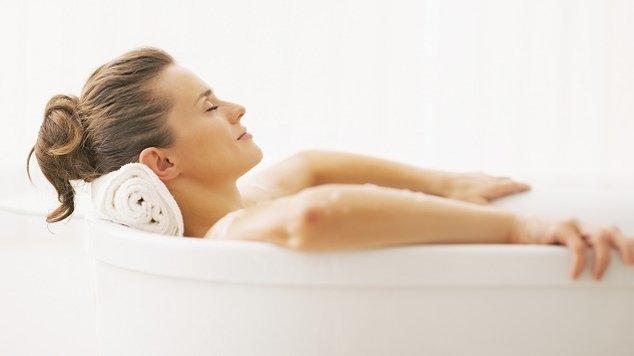
Adding Epsom salts to a warm bath is a simple way to unwind. Epsom salts are rich in magnesium, and many people find a warm soak helps with water retention, bloating, muscle tension and general stress relief.
4. Prioritise a good night’s sleep
Quality sleep gives your body the chance to rest and reset. A cup of chamomile tea before bed, a lavender pillow spray, or simply dimming screens an hour before sleep can all help you wind down.
5. Make time to meditate
Mindfulness practices like gentle yoga, tai chi or simple breathing exercises can help ease both the physical and emotional symptoms of PMS, including cramps and irritability.
6. Take note of food intolerances
If certain foods seem to make bloating, fatigue or stomach discomfort worse, it may be worth keeping a simple food diary to spot patterns. Cutting back on foods that don’t agree with you can sometimes ease symptoms.
7. Keep your blood sugar steady
Eating little and often — and including some protein with each meal or snack — can help avoid the energy dips and cravings that often come with PMS. Simple combinations like hummus with oatcakes are an easy go-to.
8. Treat yourself
Small acts of self-care go a long way. Meet up with a friend you haven’t seen in a while, watch a film you’ve been meaning to catch, or book yourself a manicure or pedicure. Feeling looked after can make a real difference to your mood.
9. Track your symptoms
Keeping a simple diary or using a period-tracking app can help you understand your own patterns over time, so you know what’s “normal” for you and can plan ahead for tougher days.
10. Talk about it
Don’t suffer in silence. Talking to your GP, partner, friends or family about how PMS affects you can be a relief in itself — and it often opens the door to practical support and understanding.
—
Related reading: Looking After Yourself for the Kids’ Sake
FAQs {#faqs}
How long do PMS symptoms usually last?
PMS symptoms typically appear in the one to two weeks before a period starts and usually ease once the period begins. Every woman’s experience is different, so tracking your own pattern over a few months can help you know what to expect.
Can lifestyle changes really help with PMS?
Many women find that simple habits — regular movement, steady meals, good sleep and stress relief — help take the edge off PMS symptoms. These won’t work identically for everyone, so it’s worth trying a few approaches to see what suits you best.
When should I speak to a doctor about PMS?
If your symptoms feel severe, are affecting your daily life, or don’t improve with self-care, it’s worth having a conversation with your GP. They can talk through options that are right for your individual circumstances.
Are Epsom salt baths safe to use regularly?
Many people use Epsom salt baths as part of a regular self-care routine. If you have any underlying health conditions or are unsure, it’s best to check with a pharmacist or GP first.
You might also like
- Looking After Yourself for the Kids’ Sake
- Simple Self-Care Ideas for Busy Parents
- Easy Ways to Manage Stress as a Parent
Don’t miss our weekly ideas
Want more practical tips like these delivered straight to your inbox? Sign up for our free newsletter for weekly ideas, real-life advice and things to try with your family — no spam, just useful stuff.