Establishing a good dental routine early on, and spotting any potential issues with your child’s teeth while they’re young, can make a real difference to their dental health as they grow. A trip to the dentist can feel daunting, even for adults, so here are 5 practical tips for a successful first visit to the dentist for young children, shared by the team at Dental Care Ireland.
Sign up for our free newsletter for more parenting tips, ideas and offers delivered straight to your inbox.
#1. What to Expect on a First Visit to the Dentist

Depending on the child’s age, they can usually either sit on a parent’s lap for their examination, or sit in the dentist’s chair by themselves.
The dentist examines the child’s mouth and gums to identify any issues such as decay, crowding problems, or developmental anomalies. If needed, they may take an X-ray. They will then polish the child’s teeth and offer the parent preventative hygiene and dietary advice.
Many dental practices now offer child-friendly waiting areas or surgeries, as well as small post-visit rewards to help make the experience a positive one.
#2. When to Schedule a First Visit to the Dentist
The ideal time to bring your child to the dentist is before the age of two, and preferably when the first tooth arrives. This gives you, the parent, an opportunity to ask dietary and hygiene questions, and get professional advice on the best way to look after your child’s teeth.
It also allows your dentist to establish a baseline record of your child’s dental health and development, helping to protect good dental health and prevent the premature loss of vital baby teeth through decay.
#3. Appointment Times
For a first visit, it’s particularly important to make sure your child is as relaxed as possible. Ideally, pick a time of day that suits you both, so that nobody feels too rushed, tired or hungry.
It’s best if the appointment time doesn’t clash with nap routines, activity schedules, or even a favourite programme!
#4. Establish a Brushing Routine

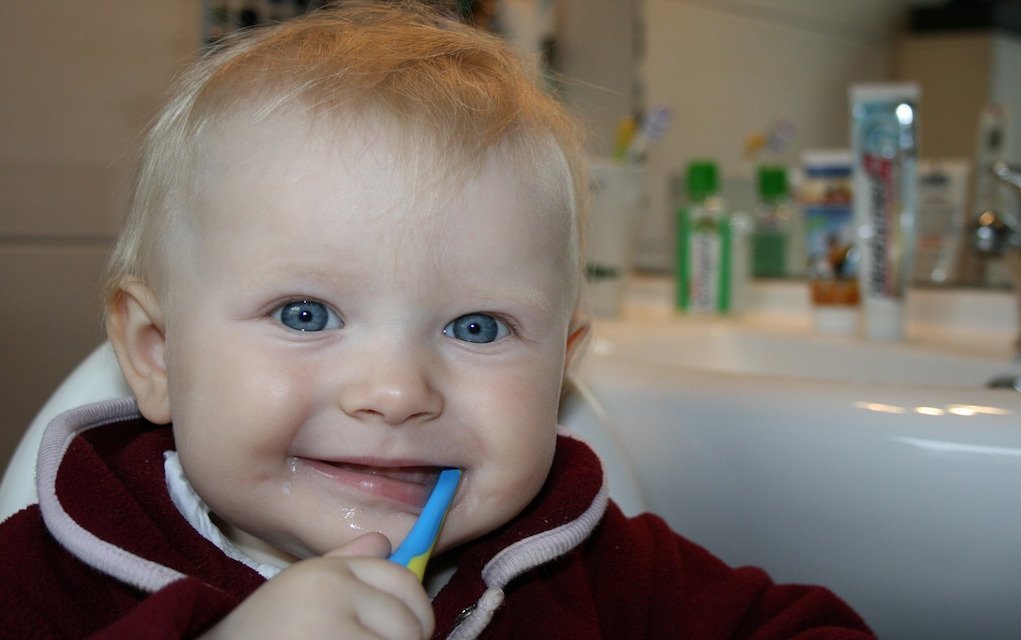
Incorporating supervised brushing into your child’s usual morning and evening routine is key. As the first baby teeth arrive at approximately six months, it’s a good idea to introduce the concept of oral hygiene around this time. For very young infants, folding a brushing routine into bath time is an excellent way to build a regular dental health habit for the future.
For 0–2 year olds, brushing with a toothbrush and water is best. From 2–7 years, children should brush twice a day with a pea-sized amount of fluoride toothpaste.
A useful tip is to bring your child’s toothbrush along to their dental check-up, so the dentist can check they’re using the right size and strength for their teeth.
#5. Talk About Teeth
It helps to be mindful of the language you use when preparing your child for a first visit to the dentist. Use positive words and phrases such as “check-up,” “counting teeth,” or “looking at your mouth,” rather than unfamiliar terms like “extractions” or “fillings.”
In the run-up to the appointment, it can also help to introduce child-friendly books or songs about brushing teeth or visiting the dentist.
Frequently Asked Questions
What age should my child have their first dental visit?
Most dentists recommend a first visit before the age of two, ideally soon after the first tooth appears.
Should my child sit alone in the dentist’s chair for a first visit?
Not necessarily. Younger children often sit on a parent’s lap during the examination, while older children may be happy to sit in the chair by themselves.
How can I prepare my child for their first dentist visit?
Use positive, familiar language about check-ups and counting teeth, avoid words like “fillings” or “extractions,” and consider reading a book or singing a song about visiting the dentist beforehand.
What toothpaste and brushing routine is right for young children?
For 0–2 year olds, a toothbrush and water is best. From 2–7 years, children should brush twice daily with a pea-sized amount of fluoride toothpaste.
Related Articles
- Healthy Habits: Building a Bedtime and Morning Routine for Kids
- How to Prepare Your Child for Their First Day of Playschool
- Simple Ways to Encourage Healthy Eating Habits in Young Children
Looking for More Family Tips?
If you found these tips useful, why not save this article or browse our other health and wellbeing guides for more practical, parent-tested advice.
Never Miss a Useful Parenting Tip
Want more ideas like this delivered to your inbox? Sign up for our free weekly newsletter for practical parenting tips, family activity ideas, and the odd competition or offer along the way.
What age was your child when they had their first visit to the dentist? Tell us in the comments box below.