If you’re heading to the beach this summer, it’s worth knowing about the Lion’s Mane jellyfish. This large, trailing-tentacled jellyfish turns up on Irish and UK beaches every year, and while most sightings are harmless to admire from a distance, a sting can be genuinely painful and, in some cases, needs medical attention. Here’s what to look out for, and what to do if you spot one.
What Is a Lion’s Mane Jellyfish?

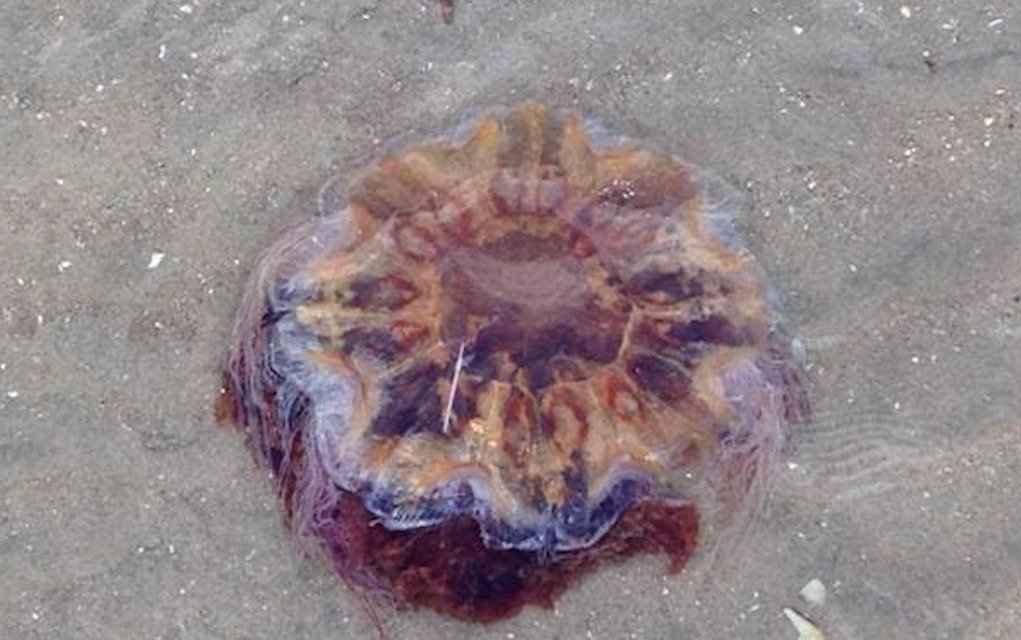
The Lion’s Mane jellyfish is sometimes called the giant jellyfish, and it’s the largest known species of jellyfish in the world. It gets its name from its long, trailing tentacles, which resemble a lion’s mane.
Fully grown, it can reach up to 2 metres in diameter, though the ones washed up or spotted on Irish and UK beaches tend to be much smaller — typically up to around 50cm across. Even at that size, it can have over 1,000 tentacles trailing several metres behind it, so it’s much bigger than it first appears in the water.
Where Have They Been Spotted?
Lion’s Mane jellyfish are regularly recorded in Irish and UK coastal waters, particularly through the summer months. Sightings can happen anywhere along the coast, so it’s worth teaching kids to recognise one and to know not to touch it, whether they see it in the water or washed up on the sand.
Always Heed Jellyfish Warnings from Lifeguards
Where possible, choose a lifeguarded beach. Lifeguards keep an eye out for jellyfish as part of their patrols and will warn swimmers if there’s a risk in the water.
If you’re planning to swim at a beach without a lifeguard, take a few minutes beforehand to look up jellyfish identification guidance so you know what a Lion’s Mane looks like, and keep an eye on local water safety advisories before you go.
If you do spot a Lion’s Mane jellyfish, it’s a good idea to report the sighting to your Local Authority’s Water Safety Development Officer, and to let a lifeguard on duty know straight away if you’re at a patrolled beach.
What To Do If You See One, or If Someone Is Stung

Never touch a Lion’s Mane jellyfish, even if it looks stranded and lifeless on the sand — tentacles can still sting after the jellyfish has washed ashore. Keep children and pets well away, and don’t let them poke or pick one up out of curiosity.
If someone is stung, move them away from the water and get help from a lifeguard straight away if one is nearby. Because reactions to a Lion’s Mane sting can range from mild discomfort to a more serious reaction, it’s best to follow first aid guidance from a qualified source — a lifeguard, pharmacist, GP, or your national health service website — rather than relying on general tips. Seek medical attention promptly if there’s more than minor discomfort, or urgently if there’s any swelling, breathing difficulty, palpitations or chest tightness.
Frequently Asked Questions
Are Lion’s Mane jellyfish dangerous to humans?
They can be. Most stings cause pain and a local skin reaction, but some people have a more serious reaction and need medical treatment, so it’s not a jellyfish to take lightly.
What does a Lion’s Mane jellyfish sting feel like?
Stings are typically described as painful, with redness and a burning or stinging sensation where the tentacles made contact. Reactions vary from person to person.
What should I do if my child is stung by a jellyfish?
Move them away from the water and get help from a lifeguard if one is available. If symptoms are more than mild discomfort, or if there’s any swelling, breathing difficulty or chest tightness, seek medical attention promptly. Follow first aid advice from a qualified source such as a pharmacist, GP, or your national health service website.
Where are Lion’s Mane jellyfish found?
They’re commonly recorded in Irish and UK coastal waters, especially during the summer months, though sightings can occur at various points along the coast.
How can I tell if a jellyfish is a Lion’s Mane?
Look for its long, trailing tentacles and reddish-brown colouring, and its size relative to other jellyfish you might see on the beach. If you’re not sure, it’s safest to assume any jellyfish could sting and keep your distance.
Related Articles
- Watch Out for Weever Fish at the Beach
- Your Guide to Beach Safety for Family Days Out
- Simple Ways to Prepare for a Safe Day at the Seaside
Enjoying This? Don’t Miss More Like It
Fancy more practical tips like this delivered straight to your inbox? Sign up for our free newsletter for family day-out ideas, safety tips, recipes and things to do with the kids each week.