
If you’ve ever wondered what to do with an empty vegetable bed once the summer crops are finished, green manures are one of the simplest and most useful answers. Michael Kelly of GIY Ireland shares how this easy technique protects your soil, boosts your harvest and keeps your growing space busy through the colder months — a great little project if you’re gardening with kids too.
What Is a Green Manure?
A green manure is a fast-growing “cover” crop, grown specifically to add nutrients and organic matter back into the soil. While it’s growing, the green manure protects the soil — its roots hold everything together — and because it grows so quickly, it also does a great job of suppressing weeds.
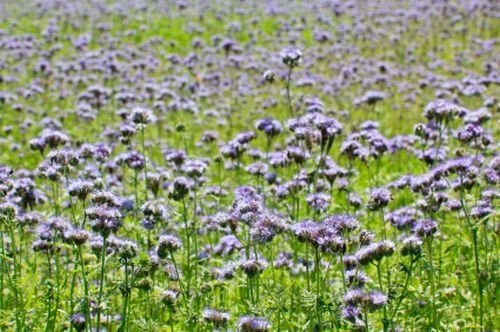
A good example is phacelia, a pretty, quick-germinating plant with delicate blue flowers. Sown in late summer once early crops like broad beans, early peas and early potatoes are finished, phacelia seeds are simply broadcast liberally over the soil and raked in. Within days they germinate, and within weeks the bed is covered in a lovely carpet of light green growth.
When to Dig In a Green Manure
Green manures are dug into the soil while the plants are still young — typically just before they flower. The green, leafy material is packed with nutrients, so as it breaks down it improves and protects the soil.
Digging in while the plants are young and tender has two big advantages: the material is much easier to work with, and it breaks down in the soil far more quickly. Left too long, and the job becomes noticeably tougher.
How to Dig In a Green Manure
The process is straightforward:
- Use a shears to chop down the green manure at ground level, cutting the plants into smaller pieces as you go (a strimmer works well for larger areas).
- Take a fork and turn the soil over, incorporating the chopped material and roots as you go.
- Keep it shallow — around 15cm deep is ideal. The green manure rots down best and has the most impact when it isn’t buried too deeply.
Once dug in, you can sow a new crop in the same bed after three to four weeks, giving those nutrients time to work their way into the soil.
Jobs in the Garden This November
To do:
- Don’t leave beds bare over winter — sow a green manure, or cover with a thick layer of manure or compost topped with black plastic or straw. This returns nutrients to the soil, protects it from the worst of the weather, suppresses weeds and prevents nutrients leaching away.
- “Earth up” or tie up vegetables such as cabbage, cauliflower and Brussels sprouts.
- Divide your rhubarb if you’d like to propagate it, and cover with a thick mulch of manure.
- Prune apple trees.
- Mulch fruit bushes.
- Take cuttings of currant bushes from this season’s wood.
Sow:
- Sow broad beans outside now for an early crop next spring. To avoid rotting before germination, make small newspaper cups and germinate them indoors first.
- Garlic for next summer does best when planted before Christmas — plant outdoors in well-prepared soil in a sunny spot.
- Some onion varieties can be over-wintered and will be ready to harvest in early summer.
Harvest:
- Continue harvesting perpetual spinach, cabbage, cauliflower, potatoes, swede, parsnips, apples and pears.
- Start harvesting leeks, winter cabbage, kale, artichokes and Brussels sprouts.
- Lift carrots and turnips, or cover them with a good layer of straw to protect them from frost damage.
Tip of the Month: Shredding for Great Compost
Small garden shredders are widely available from garden centres and are a great investment for improving your compost heap. At this time of year, there’s usually plenty of foliage from the veg patch heading for the compost heap — parsnip leaves, cabbage plants, pea and bean stems and more.
These all make fine additions to a compost heap, but shredding them first means they’ll decompose much faster. No shredder? Use a shears to cut up large leaves, and a sledgehammer to break down tough brassica stems — good exercise too.
Frequently Asked Questions
What exactly is a green manure?
It’s a fast-growing cover crop sown specifically to protect and feed the soil. It holds the soil together with its roots, suppresses weeds while it grows, and adds nutrients and organic matter once it’s dug in.
When should I dig a green manure into the soil?
Dig it in while the plants are still young, ideally just before they flower. Young growth is easier to work with and breaks down in the soil much faster than older, tougher material.
How soon can I plant after digging in a green manure?
You can generally sow a new crop in the same bed after three to four weeks, once the green manure has had time to start breaking down.
Related Articles
- Recipe of the Month: Beetroot Relish
- Growing Your Own Vegetables with Kids
- Getting Kids Interested in the Garden
Save These Gardening Tips
Building a growing space with your family is a project that keeps giving all year round. Bookmark this article or save it to your favourites so you can come back to it next time you’re planning what to do with an empty bed.
Get More Family Ideas Every Week
Want more seasonal activities, garden projects and family life tips like this delivered straight to your inbox? Sign up for the MyKidsTime newsletter for a weekly dose of ideas to enjoy with the kids.