
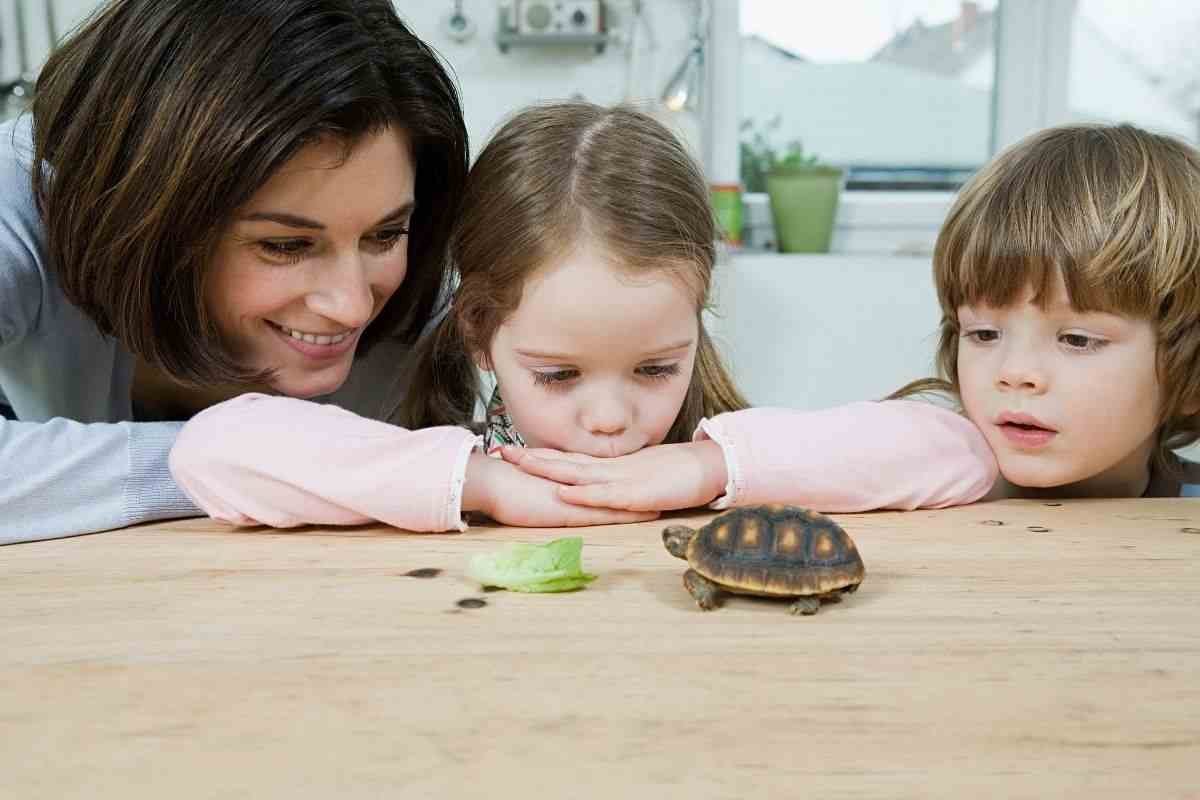
One of the best ways to teach your children about responsibility is through pet ownership. Giving a child the job of caring for another living creature is a brilliant learning experience — and with a bit of guidance from you, most pets will give back plenty of affection in return for their new owner’s care and attention.
But if your child is begging for a pet, how do you choose the right one to start with?
Choosing your child’s first pet
Is your child hoping for a kitten, a puppy, a goldfish or a hamster? It can be tricky to land on the right choice, and it really depends on a few things:
- Your child’s age
- What kind of animal they’re drawn to
- How much time they’ll realistically be able to spend caring for their new friend
Whichever pet you’re leaning towards, it’s worth doing a bit of research first so you know exactly what you’re taking on. If you can, try borrowing a similar pet for a few days before you commit — it’s a great way to see how your child manages with feeding, cleaning and handling before you bring one home permanently.
You may also enjoy: 10 Things I Wish I’d Known Before We Got a Family Dog
Beyond the many breeds of dogs and cats out there, here are some other good options for a child’s first pet.
Great starter pets for kids
An Ant Farm
Insects aren’t for everyone, but an ant farm can be a genuinely fascinating first pet — kids love watching the colony build and maintain its habitat. A little food and water needs to be topped up now and again, but otherwise these small critters largely look after themselves.
Brine Shrimp
Once known as “sea monkeys” (and sometimes called fairy shrimp), brine shrimp are tiny, easy to keep, and usually come as a starter kit from the pet shop. They’re a popular choice for home culturing because a small population is genuinely simple to maintain.
Fish
Fish make a great starter pet since they don’t need cuddles or playtime, but they do require daily care and attention — perfect for teaching responsibility in manageable doses.
Goldfish are the classic choice, but many families now start with a single Betta fish (also known as a Siamese Fighting Fish). They’re strikingly colourful and, in many ways, easier to keep than most other fish.
Tortoises
Be prepared for a long-term commitment — tortoises can live for decades, some reaching around 80 years old. As a bonus, they’re non-allergenic thanks to having no fur.
Common species include Hermann’s tortoise, along with Marginated, Spur-thighed and Horsfield’s tortoises. They need very little day-to-day care, which makes them a solid option for younger children.
Hamsters
After dogs and cats, hamsters are probably the most popular first pet. Their cage needs regular cleaning, but they’re cute, easy to handle, and great fun for kids. Dwarf hamsters are a lovely option if you’re short on space.
You may also enjoy: Tips On Getting Your Pets Ready for a New Baby at Home
Birds
Caring for a bird is a step up from a fish or a tortoise, but birds are sociable and make wonderful companions. A parakeet or canary is a good, inexpensive starting point — more elaborate birds like cockatiels and cockatoos need considerably more care and attention.
Rodents
Beyond hamsters, there’s a whole range of rodent pets to consider — guinea pigs, gerbils, mice and rats among them. Many of these do better in same-sex pairs, since they’re naturally social animals.
To reduce the risk of nips or bites, it’s best to get rodents while they’re young and handle them gently and often from the start.
You may also enjoy: 7 Top Tips to Have a Clean House with a Dog
The bottom line
Caring for a pet gives children more than just a sense of responsibility — it’s educational, entertaining, and a genuine source of joy. Of course, you can always go the traditional route with a dog or cat, but if you’re easing your family into pet ownership, any of these options make a lovely, lower-maintenance first step.
Frequently Asked Questions
What is the easiest first pet for a child to look after?
Fish, ant farms and brine shrimp tend to need the least hands-on care, making them a gentle starting point for younger children. Hamsters and tortoises are also popular choices that don’t demand too much daily upkeep.
Are fish good first pets for kids?
Yes — fish are one of the most common starter pets. They don’t need affection or playtime, but they do teach daily responsibility through feeding and tank care.
What age should a child be before getting their own pet?
This really depends on the child and the animal. Smaller, low-maintenance pets like fish or an ant farm can suit younger children, while animals that need regular handling, like rodents or birds, are often better suited to slightly older kids who can manage gentle, consistent care.
Should we try out a pet before committing to one?
If possible, yes. Borrowing a similar pet for a few days lets your child experience the day-to-day reality of feeding, cleaning and handling before you bring one home for good.
Related reading
- 10 Things I Wish I’d Known Before We Got a Family Dog
- Tips On Getting Your Pets Ready for a New Baby at Home
- 7 Top Tips to Have a Clean House with a Dog
Thinking of getting a pet soon? Bookmark this page so you and your child can talk through the options together before deciding.
Get more family ideas in your inbox
Want more parenting tips, activity ideas and family inspiration like this? Sign up to the MyKidsTime newsletter for a weekly dose of ideas straight to your inbox.