
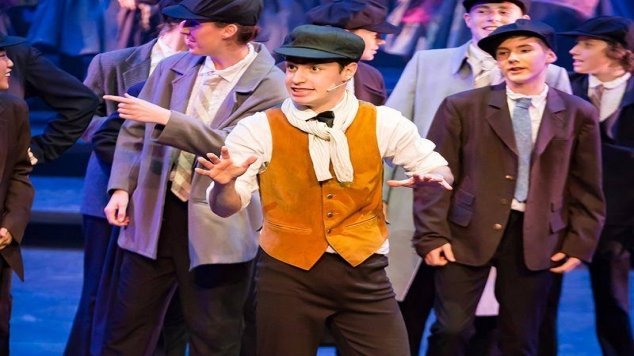
Is your child thinking about trying drama or acting? In this article, drama teacher John Lucey explains why drama and theatre skills are great for children, and why the benefits go far beyond the stage.
[[IMG:1]]
Giving your child valuable life skills
Following a life-changing trip to the theatre as a boy, my dream was to become an actor. I was lucky enough in my late twenties to win a place at drama school, but I’ve often thought I might have got there sooner with some training as a young performer. Apart from the odd school play growing up, that kind of opportunity simply wasn’t there for most children.
Today, children are lucky to have far more access to drama, dance and singing classes. While some attend to improve a particular skill, most simply come for the love of it, and that’s wonderful. Performing arts, or “expressive arts” as I prefer to call them, give children valuable life skills regardless of whether they ever want to perform on a stage.
Having run workshops in schools, it’s striking to see the difference between children whose imaginations are already being nurtured and those who haven’t had the same encouragement. It really can come down to a choice between the playhouse and the screen.
A positive impact on self-esteem
Drama and theatre skills help build children’s self-esteem and teach them to take creative risks. To perform confidently, a child needs to let go of self-consciousness and embrace that change. Speaking from personal experience, it’s a lot easier to do this at seven years old than at twenty-seven.
Where possible, try to give your child the chance to act, sing and dance together. Training across all three disciplines helps children become well-rounded performers and brings more noticeable benefits from arts education overall. Alongside creative skills, children also tend to improve their social skills, articulation, spatial awareness, stamina and self-esteem.
Nurturing enthusiasm
Perhaps the best outcome of all is enthusiasm. Once that spark is nurtured in a child, it’s infectious, and it complements their schoolwork and personal development beautifully. These are skills not just for the stage, but for life.
John Lucey is a director and drama teacher with experience running performing arts classes and workshops for children.
Frequently Asked Questions
What age can children start drama classes?
Many children start structured drama, singing or dance classes from around age four or five, though school plays and informal creative play can introduce these skills even earlier. Check with your local drama school or class provider for age-appropriate options.
Does my child need to want to perform to benefit from drama classes?
Not at all. While some children go on to enjoy performing, the real value of drama classes lies in the wider skills they build, including confidence, communication, teamwork and self-expression.
What skills do children develop through drama and theatre?
Children typically develop stronger self-esteem, better articulation and social skills, improved spatial awareness, greater stamina, and the confidence to take creative risks.
Should my child try acting, singing and dancing, or just pick one?
Where possible, trying all three can help children become more well-rounded performers, though it’s fine to start with whichever discipline interests your child most and build from there.
Related Articles
- How to Choose the Right Extracurricular Activity for Your Child
- Building Confidence in Children Through Creative Play
- The Benefits of Music Lessons for Kids
Enjoying Family Life?
Looking for more ideas to nurture your child’s confidence and creativity? Browse our family life hub for more articles, activity ideas and expert tips.
Never Miss an Update
Sign up for our free weekly newsletter for family activity ideas, parenting tips and inspiration delivered straight to your inbox.