
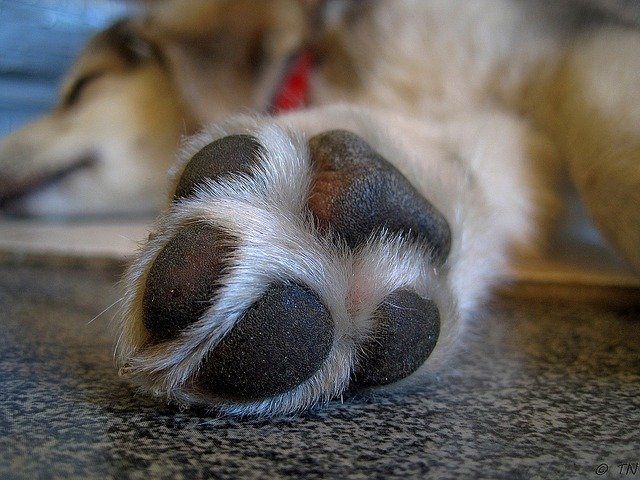
If you share your home with a dog, you’ll know that a bit of regular grooming goes a long way. Getting a good dog grooming routine in place isn’t just about keeping your pet looking neat between visits to the professional groomer — it’s one of the easiest ways to bond with your dog, spot health changes early, and keep everyone in the house (dog included) comfortable, especially once the warmer months arrive and you’re spending more time outdoors together.
The good news is that grooming doesn’t need to be complicated or expensive. With a few simple tools and a little confidence, you can build a routine that works for your dog’s coat, breed and age — and it’s a great way to get the kids involved too, whether that’s helping with brushing or giving the dog a wash in the garden.
What do we mean by grooming?

Grooming is more than just running a brush over your dog a few times a week. With a bit of knowledge and care, pet owners can help maintain a healthy coat, trimmed nails, and clean eyes, ears and teeth — all at home, between professional grooming appointments.
Before you start, it’s worth getting advice specific to your dog’s breed and coat type, and making sure you’re using the right tools for the job. A quick chat with your vet or a professional groomer is a good place to start if you’re not sure what your dog needs.
#1. Brushing
 Regular brushing helps remove dead hair, stimulates blood flow and natural oil production, and keeps your dog’s coat free of tangles. It’s also a lovely bonding exercise between owners and pets, and a simple job kids can take turns helping with.
As a general rule:
- Long-haired dogs benefit from a daily brush.
- Dogs with dense coats do well with brushing around three times a week.
- Short-haired dogs are usually happy with a weekly brush.
#2. Cleaning
 It’s important to keep your dog’s eyes, ears and teeth clean on a regular basis. A short walk or play session beforehand can help burn off excess energy, so your dog is calmer and easier to handle. Move confidently and gently, much as you would when helping a child with the same routine.
Eyes: Use only cotton wool and warm water. Gently wipe from the inner corner of the eye outward, and trim away any hair that might be getting in the way of your dog’s sight.
 Ears: Check for anything that shouldn’t be there and remove it gently if you can see it clearly. Cotton wool with a little olive oil can help lift away any build-up around the outer ear. Never insert anything into the ear canal itself.
Teeth: Aim to brush your dog’s teeth daily, or at least a few times a week, using a toothbrush and toothpaste made specifically for dogs. Human toothpaste is not suitable for pets.
#3. Washing
 Bath time can feel like a bit of an ordeal at first! Washing your dog once a month, or a little more often during warmer weather, helps keep shedding under control.
A steady routine and plenty of treats for good behaviour make a big difference. Always use a shampoo made for dogs rather than human shampoo, as the pH balance isn’t suitable for pets’ skin. Let your dog air dry in warm weather, or towel dry when it’s cooler. A hair dryer on a cool setting can also work well if your dog is comfortable with the noise.
#4. Trimming

Trimming hair and nails between grooming appointments is easier than it sounds, once you have the right tools and a bit of guidance for your dog’s specific breed.
Hair trimming helps reduce matting and makes it harder for pests to take hold. It also keeps your dog cooler in warm weather and can help prevent issues around the ears and eyes.
Nail trimming matters most for dogs that aren’t regularly out running on hard surfaces, which naturally wears nails down. Ask your vet or groomer for guidance before you start, and take care not to cut too close to the nail bed.
Frequently Asked Questions
How often should I groom my dog?
It depends on the coat type. Long-haired dogs generally need daily brushing, dense-coated dogs around three times a week, and short-haired dogs a weekly brush. Washing is usually needed monthly, or a bit more often in warm weather.
Can I use my own shampoo on my dog?
No — human shampoo has a different pH balance and isn’t suitable for a dog’s skin. Always choose a shampoo made specifically for dogs.
How do I clean my dog’s ears safely?
Check gently for anything visible and remove it if you can, then use cotton wool with a little olive oil to wipe away build-up around the outer ear. Never put anything into the ear canal.
Is it safe to trim my dog’s nails at home?
Yes, with the right tools and a little care. Take it slowly, get breed-specific advice if you’re unsure, and avoid cutting too close to the nail bed.
Why is a grooming routine worth the effort?
Beyond keeping your dog looking and feeling good, a regular routine helps you notice any changes in their skin, coat, eyes or teeth early, so you can get them checked before small issues become bigger ones.
Related Articles
If you enjoyed this, you might also like:
- Fun Outdoor Activities to Enjoy With Your Dog and Kids
- Getting Kids Involved in Caring for the Family Pet
- Simple Ways to Keep Active Outdoors as a Family
Save This for Later
Building a grooming routine takes a little trial and error to get right for your dog. Bookmark this article or save it to your favourites so you can come back to it whenever you need a refresher on brushing, cleaning, washing or trimming.
Want More Family Ideas Like This?
Sign up for our free MyKidsTime newsletter for weekly ideas, competitions and offers for things to do with the family — including more tips on caring for the family pet. It’s free, and you can unsubscribe any time.