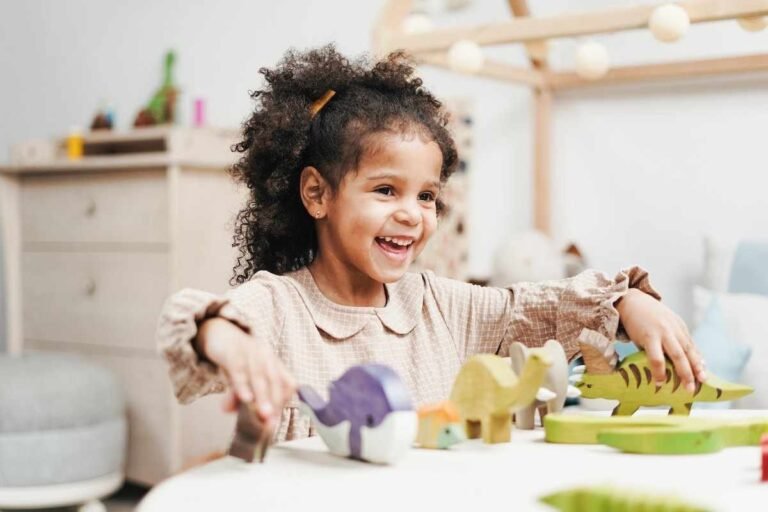
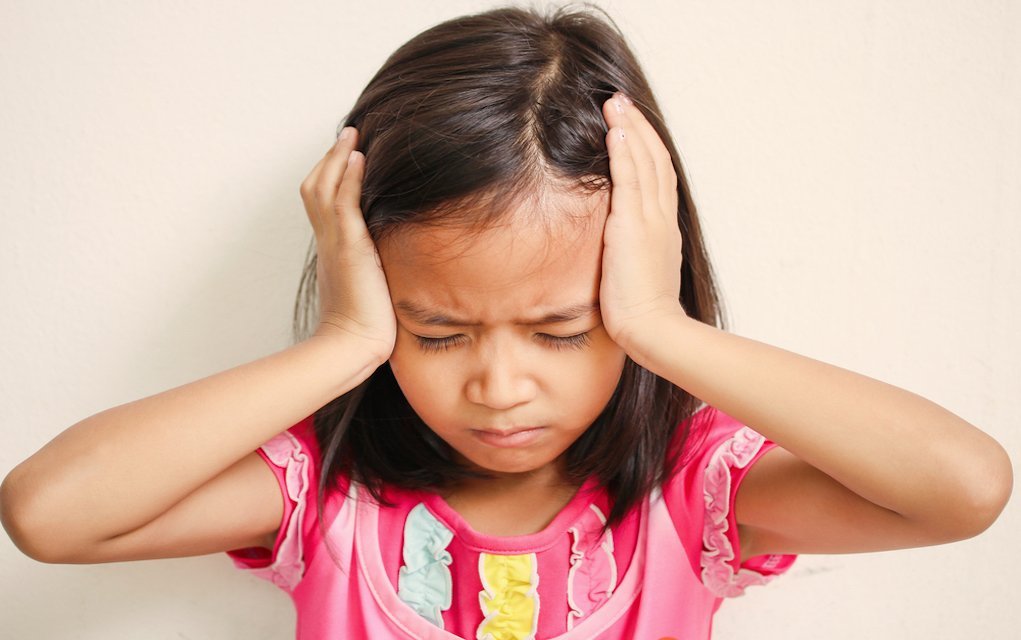
Is your child showing signs of anxiety? Every child is different, but some everyday behaviours — clumsiness, poor sleep, trouble sitting still — can sometimes be linked to how a child’s body feels and moves. Physical literacy specialist Dr Emma Blake Corrigan shares eight things worth keeping an eye on, along with some simple, practical ways to help.
Sign up for our free monthly newsletter, stuffed full of ideas, competitions and offers. Did we mention it’s free?
#1. Poor Balance
Feeling out of control triggers anxiety in all of us. A child who doesn’t feel in control of their own body can feel unsettled and unsafe, and this can show up as anxiety.
If you’re concerned about your child’s balance, it’s worth mentioning it to your GP — occasionally it can be linked to something like an ear infection. If not, they can advise on the best way to help your child build their balance and confidence.
#2. Clumsiness
Some children take longer than others to develop full control over their movements, and this can show up as clumsiness. According to Dr Emma Blake Corrigan’s approach to physical literacy, this can sometimes be connected to how early developmental reflexes have settled, and for some children, ongoing clumsiness can go hand in hand with anxiety.
Routine developmental checks usually pick up on any concerns, but if you’re worried about your child, it’s always worth chatting to your GP or public health nurse.
You may also enjoy – Coping With The Twelve Days Of Christmas Sensory Overload
#3. Bad Hand Writing

Fine motor skills like pencil control build on top of gross motor skills. When a child is still working on core body control, handwriting can be one of the areas that’s slower to come together.
If this seems to be affecting your child, it may be worth chatting to their teacher, as some extra support at home and at school can make a real difference.
#4. Fidgety
A child who finds it hard to sit still isn’t doing it on purpose to annoy their teacher or classmates — for many children, it’s simply harder for their body to settle. Anxiety levels can climb when a child is told off for something that feels outside their control.
If you know your child tends to be fidgety, it can help to give the school or teacher a heads-up in advance. That way, everyone understands what’s going on, which can ease anxiety for both the child and the teacher.
You may also enjoy – Is Your Child School Ready?
#5. Poor Sleep
When a child refuses to go to bed, or wakes frequently through the night, anxiety is very often part of the picture. Some children are simply more sensitive, staying in a heightened “alert” state that makes it harder for their body and mind to switch off for sleep.
Watch the video above for some tips on gentle ways to help your child settle.
You may also enjoy – Parenting Tricks and Treats to Keep Halloween More Fun Less Horror!
#6. Playtime

A child who struggles to physically keep up with games in the playground can end up feeling left out, which brings its own sense of loss and isolation. Good body awareness and control matter a lot in a busy playground, and some children need extra time and support to build this.
#7. Fluorescent Lighting
Children who are more sensitive tend to notice noise, light, smells and touch more intensely — and a busy classroom, with its buzzing lights and constant activity, can be a lot to take in.
If this sounds like your child, it’s worth having a chat with their teacher, and with your child themselves, about how they’re feeling in the classroom, so together you can find small adjustments that help.
#8. Disorganised

Forgetting a lunchbox, losing homework, misplacing a school coat — these can all be signs that a child is finding it hard to keep track of a sequence of steps.
For many children, building routines and simple checklists at home can help this settle over time.
How To Help
So how can you help your child feel calmer and more in control?
Building a child’s core body control and confidence — through play, movement and simple daily habits — is one approach that some parents find helpful alongside the everyday support of home, school and, where needed, professional advice.
Dr Emma Blake Corrigan’s SIMPLE Physical Literacy programme is one option built around this idea, focusing on short daily movement practice. You can find out more about her approach on the SIMPLE Physical Literacy website.
Frequently Asked Questions
What are common triggers for anxiety in children?
Anxiety in children can be triggered by all sorts of things — feeling out of control of their own body, struggling to keep up physically with peers, sensory overload in busy environments like classrooms, or simply not being able to settle at bedtime. Every child is different, so it helps to look at the pattern of signs rather than any one thing alone.
How can I help my anxious child at home?
Small, consistent things help most: predictable routines, plenty of time for movement and play, calm conversations about how they’re feeling, and working with their teacher if something is coming up at school. If sleep, balance or coordination seem to be part of the picture, it’s worth mentioning this to your GP too.
When should I see a doctor about my child’s anxiety?
If your child’s anxiety is frequent, intense, or getting in the way of everyday life — school, sleep, friendships — it’s a good idea to talk to your GP. They can rule out any underlying physical causes and point you toward the right support.
Related Articles
- Is Your Child School Ready?
- Parenting Tricks and Treats to Keep Halloween More Fun, Less Horror
- Coping With The Twelve Days of Christmas Sensory Overload
Before You Go
Every child is different, and there’s no single fix for anxiety — but noticing these small signs early can make a big difference. Browse more of our family life articles for practical, parent-tested ideas, or save this one to come back to later.
Sign up for our free monthly newsletter for more parenting tips, ideas and offers delivered straight to your inbox.