
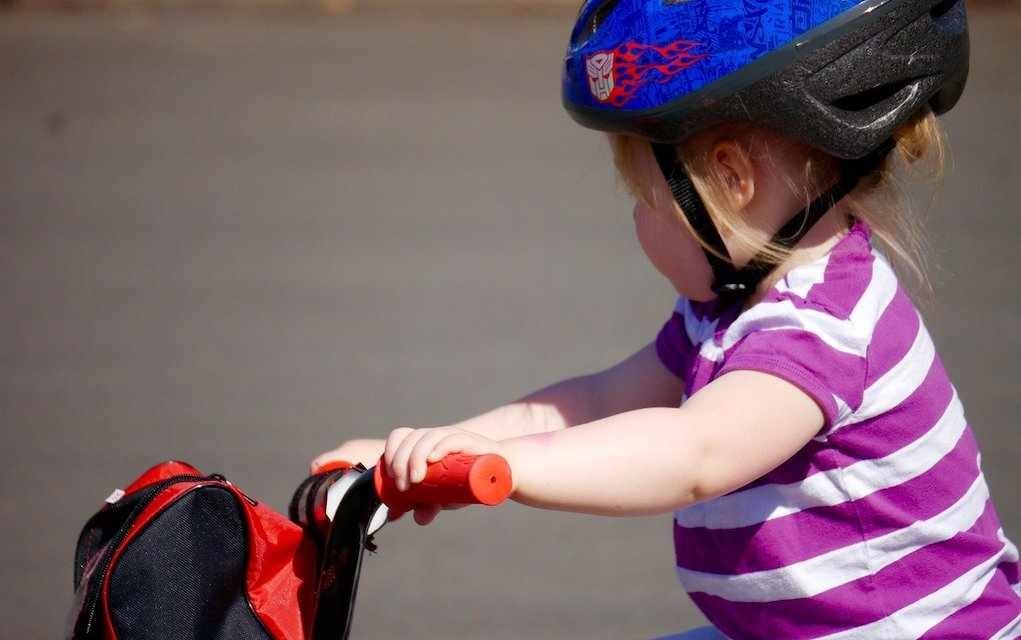
Cycling is one of the best things families can do together — it gets everyone outdoors, moving, and having fun as a group. But before your child heads off on two wheels, a little preparation goes a long way. Here are 9 essential tips for bike safety for kids that every parent should know.
Don’t miss our best content straight to your inbox! Sign up now and get our FREE newsletters packed with fun ideas and things to do with the kids, family-friendly recipes, expert advice, parenting tips and great competitions.
Learning to ride a bike is a real milestone. Watching a child go from wobbly first pedals to confidently cycling alongside older siblings is one of those small parenting joys worth savouring.
Children are generally encouraged to get around 60 minutes of physical activity a day, and cycling is a great way to help them get there. But before your child climbs on a bike, run through these bike safety basics first.
You may also enjoy: These Simple Bike Helmet Safety Tips Will Help Protect Your Child
Bike Safety for Kids: Top Tips
#1. Make sure their bicycle matches them
The bike should suit their height and their experience level, not just their age. Adjust the seat and handlebars if needed. Your child should be able to place their feet almost flat on the ground when the bike is stationary.
#2. Do a quick equipment check before setting off

Before every ride, take a minute to check:
- Is the saddle at the correct height?
- Is the chain sitting on correctly?
- Are the brakes working properly?
- Are the tyres firm and in good condition?
- Are the bell and lights working?
#3. Always wear a helmet
This one’s non-negotiable. Every child needs their own properly fitted helmet — not too loose, not too tight. Don’t buy one “to grow into.” Get a helmet that fits them right now.
#4. No loose clothing
Scarves, long laces, or anything loose and dangly can get caught in the chain or wheels. Keep clothing snug and sleeves out of the way.
#5. Only cycle on public roads under supervision
Younger children should stick to supervised cycling on public roads until they’ve built up the skills and road awareness to manage independently. Quiet paths, parks, and traffic-free routes are a great place to build confidence first.
#6. Like all road users, cyclists must obey the rules of the road
Cyclists share the road with everyone else, which means the same rules apply: stopping at red lights, reading road signs and markings, and cycling predictably. It keeps your child safer, and it keeps everyone around them safer too.
#7. Be visible in dark or dusky conditions
If you’re cycling in low light, make sure the bike has a working front and back light. High-vis armbands, vests, or jackets make a real difference in helping your child stand out to drivers and other road users.
#8. Park the bike safely
When you’re finished cycling, think about where you leave the bike. Use a bike stand where possible, and always lock it securely to something solid.
#9. Stay in control of the bike
No unnecessary risks. Keep at least one hand on the handlebars at all times, and use a bike basket, carrier, or backpack for books or bags rather than hanging them off the handlebars.
Good Resources for Bike Safety
- The Road Safety Authority Ireland has a helpful Cycle Safety booklet you can download for free.
- National Bike Week takes place every year with free events for all ages and abilities across Ireland. Find listings and safety tips at Bikeweek.ie.
- The National Highway Traffic Safety Administration (NHTSA) has useful tips on kids and bicycle safety for readers in the US.
- Think! from the UK Department for Transport has a good page of cycling safety information for readers in the UK.
Frequently Asked Questions
At what age can a child cycle on the road without an adult?
There’s no single magic age — it depends on the child’s road awareness, confidence, and experience. Many parents start with supervised road cycling and gradually let their child cycle independently once they can reliably manage traffic, signals, and junctions.
Do kids really need a helmet for short or quiet rides?
Yes. Falls can happen anywhere, including quiet roads, driveways, and paths. A properly fitted helmet should be a habit for every ride, no matter how short.
How do I know if a bike helmet fits properly?
It should sit level on the head, low on the forehead (about two finger-widths above the eyebrows), with straps snug enough that the helmet doesn’t shift when your child shakes their head.
What should I check on my child’s bike before every ride?
Saddle height, brakes, tyres, chain, and that the bell and lights (if needed) are working. It only takes a minute and it’s a great habit to build together.
Related Articles
- These Simple Bike Helmet Safety Tips Will Help Protect Your Child
- 21 School Travel Safety Rules for Kids Parents Shouldn’t Ignore
Before You Go
Looking for more ways to keep the family active and safe outdoors? Browse our family life hub for more practical tips, or save this article to come back to before your next family cycle.
Don’t miss our best content straight to your inbox! Sign up now for free weekly newsletters packed with fun ideas, parenting tips, and things to do with the kids.