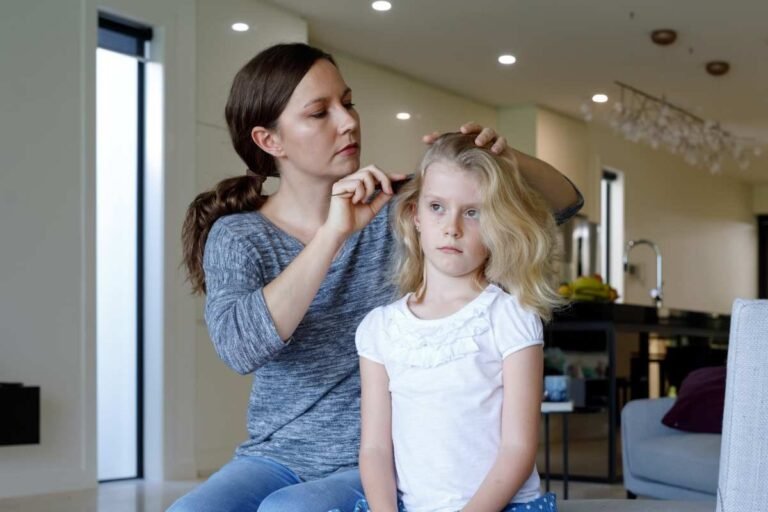
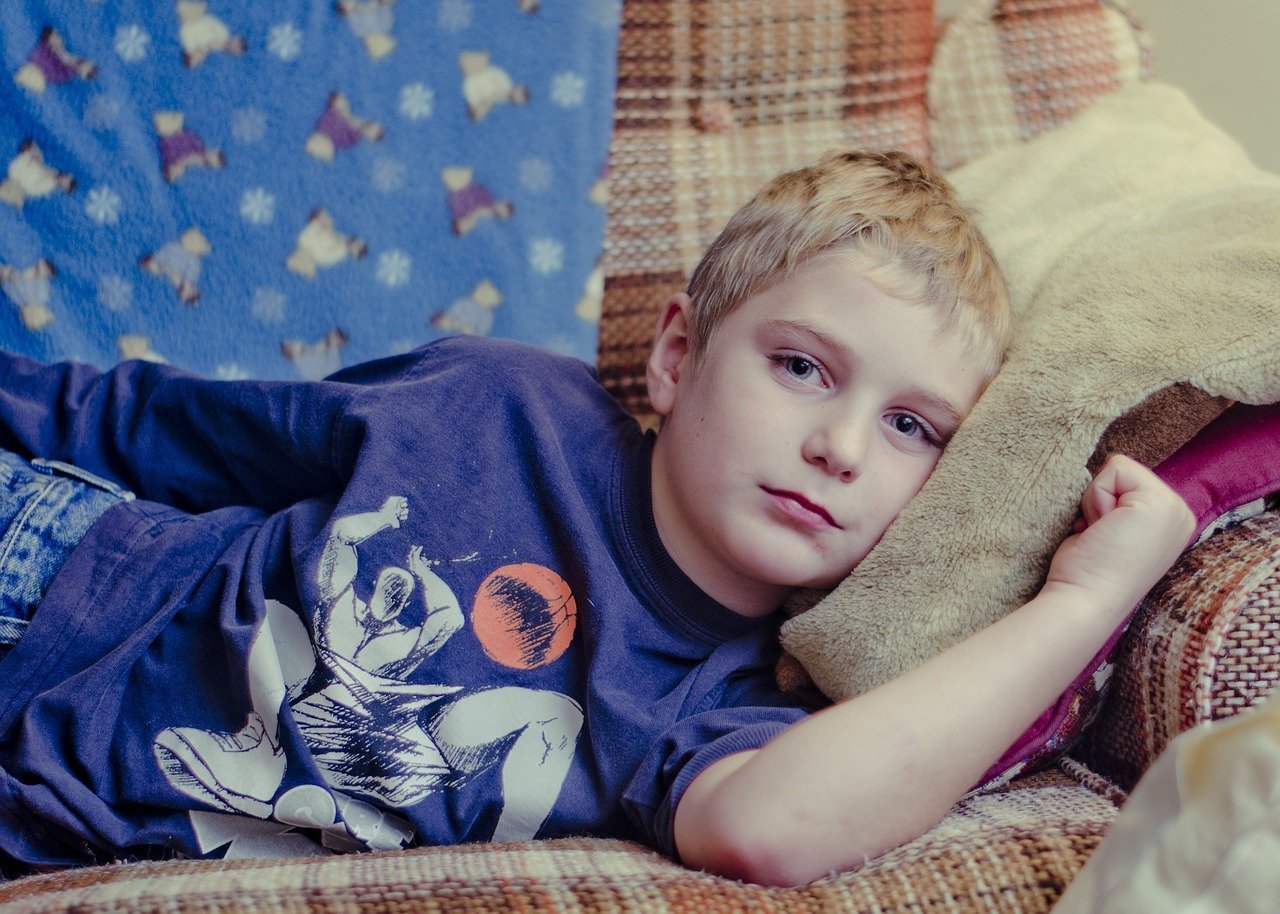
Once the school term gets going, it doesn’t take long for the sniffles, coughs and tummy bugs to start doing the rounds — and before you know it, the whole family has caught whatever your child brought home. It’s one of the less fun parts of school life, but there’s a lot you can do to reduce how often it happens. Here are 10 simple, practical tips to help your child avoid picking up germs at school or creche, and stop them spreading through your house once they do.
Sign up here for our free newsletter, packed with parenting tips, ideas and offers, delivered straight to your inbox.
#1. Clean Hands Regularly

Good handwashing is still one of the simplest and most effective ways to stop illnesses spreading, from colds and flu to tummy bugs and food poisoning. Encourage your child to wash their hands properly with soap and warm water after using the toilet, after playtime, and before eating.
#2. Cover Up Coughs and Sneezes

Keep a small pack of tissues in your child’s pocket or schoolbag so they always have one to hand. Teach them to cover their nose and mouth when they cough or sneeze, and to bin the tissue straight afterwards rather than pocketing it.
You might also like reading 10 Good Tips to Keep Your Child Healthy This School Year
#3. Hand Gels and Wipes Are Handy
For times when handwashing isn’t easy — school tours, sports days, or after playing outdoors — a small bottle of hand gel or a pack of wipes in their bag can help keep hands clean until they can wash properly.
#4. Keep Fingers Away From Their Face

Hands pick up germs constantly through the day, so try to get your child into the habit of not touching their eyes, nose or mouth. It’s a hard habit to break at any age, but even small improvements help reduce how easily germs get in.
You might also enjoy reading Everything You Need to Know About Hand, Foot and Mouth Disease
#5. Sharing Is Not Caring
It’s lovely to see kids being generous with each other, but sharing food, drinks or lip balm is also an easy way for cold and flu germs to spread. Gently remind your child that it’s kinder — for everyone’s health — to keep those items to themselves.
#6. Clean Lunchboxes and Schoolbags Regularly

Give lunchboxes a proper wash each day rather than a quick rinse, and get your child into the habit of helping to clean out their schoolbag at least once a week with a damp cloth or wipe. Don’t skip the bottom of the bag — it spends a lot of time on floors and picks up plenty along the way.
It’s also worth keeping schoolbags off kitchen tables and countertops, so germs from the bag don’t transfer onto surfaces where food is prepared or eaten.
#7. Flu Vaccine
It’s worth talking to your GP about whether the flu vaccine is a good option for your child, particularly if they have a condition such as asthma that puts them more at risk from flu. Availability and eligibility vary, so your GP or local health service is the best source of up-to-date advice for your family.
#8. Ensure Your Child Gets Plenty of Sleep
Sleep plays a big role in how well the immune system copes with the germs kids are exposed to every day. If your child is regularly short on sleep, they may find it harder to fight off bugs. Check how much sleep your child should be getting for their age, and try to keep bedtime routines consistent, even during busy weeks.
You might also like reading 6 Secrets to Developing Good Sleeping Habits in Kids
#9. Keep Your Child at Home if They Are Sick

We know it’s not always easy around work and other commitments, but keeping a sick child home is one of the best ways to stop a bug spreading through their class — and eventually back to your own household.
The American Academy of Pediatrics suggests asking three questions when deciding whether your child should go to school:
- Is your child too unwell to comfortably take part in normal activities?
- Does your child need more care than school staff can reasonably give, without it affecting other children?
- Could other children catch something from being near your child?
If the answer to either of the first two is yes, it’s best to keep them home. And if you suspect their illness is contagious — even if the first two don’t quite apply — keeping them home until that risk has passed is still the safer choice for everyone.
#10. Teach Kids How Infections Spread
Helping your child understand why these habits matter can make them more likely to stick. Simple, age-appropriate explanations about how germs travel from hands to surfaces to other people go a long way, and there are online resources with games designed to teach kids about hygiene in a fun, engaging way.
Do you have any tips of your own for keeping school germs out of the house? We’d love to hear them in the comments below.

Frequently Asked Questions
How can I stop my child bringing germs home from school?
Focus on the basics: regular handwashing, covering coughs and sneezes with a tissue, not sharing food or drinks, and keeping lunchboxes and schoolbags clean. None of these guarantee a germ-free household, but together they make a real difference.
Should I keep my child home if they seem a little unwell but not seriously sick?
If you’re unsure, it helps to ask whether they can comfortably join in with normal activities, whether they’d need extra care school staff can’t easily provide, and whether they could pass something on to other children. If you answer yes to any of these, it’s best to keep them home.
Does hand gel work as well as handwashing?
Handwashing with soap and warm water is generally the more effective option, but hand gel or wipes are a useful backup for situations where washing isn’t practical, such as on school trips or at sports events.
Is the flu vaccine recommended for children?
It can be a good option for some children, particularly those with conditions like asthma. It’s best discussed with your GP, who can advise based on your child’s individual health and local availability.
Related Articles
If this was useful, you might also like:
- 10 Good Tips to Keep Your Child Healthy This School Year
- Everything You Need to Know About Hand, Foot and Mouth Disease
- How Much Sleep Do Kids Need?
- 6 Secrets to Developing Good Sleeping Habits in Kids
Browse more parenting and back-to-school ideas on MyKidsTime, or save this article to come back to when the sniffles start doing the rounds again.
Get More Tips Like This
Want more practical parenting tips delivered straight to your inbox? Sign up for our free weekly newsletter for ideas, offers and advice to make family life a little easier.