As parents, we all want to give our children the best possible start in school and in life — and few things matter more than reading. Children who become confident, enthusiastic readers early on tend to find the rest of school that bit easier, because reading underpins every other subject.
The good news is that a strong start in reading doesn’t have to be complicated. Reading aloud together from an early age lays the foundation, and once your child is ready to build their own independent reading skills, online programmes such as Reading Eggs can be a useful addition to your family’s routine.
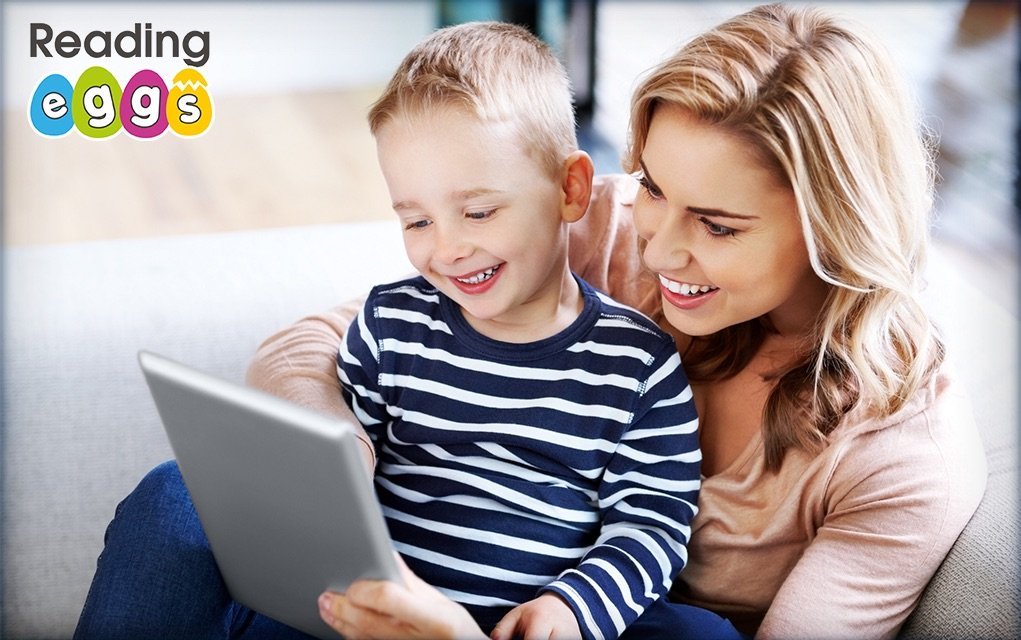
Reading Eggs is an online reading programme designed for children aged 2–13. It turns learning to read into a fun, game-like experience, with lessons that adapt to your child’s ability and reward their progress along the way.
Reading Eggs offers new families a free trial period so you can see how the programme works before deciding whether to subscribe. Current trial length and terms are best checked directly on the Reading Eggs site, as offers can change.
Who Is Reading Eggs For?
The Reading Eggs suite is made up of three separate programmes:
- Reading Eggs Junior for toddlers aged 2–4
- Reading Eggs for children aged 3–7
- Reading Eggspress for older learners aged 7–13
Reading Eggs is designed to support a wide range of learners, including children with autism, reluctant or resistant readers, children who are finding school reading a struggle, and toddlers who are just starting out with letters and sounds. Whether your child is a complete beginner, needs a little extra encouragement, or is already reading well, there’s a level to suit them.
You may also enjoy: Help Your Child’s Reading Fluency with These Top 10 Tips
Why Should I Use Reading Eggs?

Reading Eggs starts with a short placement test that puts your child on the right starting level for their ability, so lessons feel achievable rather than overwhelming. The programme is designed by experienced educators, and lessons are built around well-established approaches to reading instruction and child motivation.
Reading Eggs is also built to grow with your child, with plenty included:
- Hundreds of guided, sequenced lessons that build skills and confidence gradually
- A large online library of children’s e-books
- Bonus worksheets for offline practice
- Progress reports so you can see how your child is doing
- A Story Factory where children can write and share their own stories
- Live multiplayer games that build grammar, vocabulary and spelling
- Collectible in-app rewards that keep children motivated
If you’d like to try it with your own child, you can find current trial details at readingeggs.co.uk/mkt.
How Is Reading Eggs Different?
Reading Eggs is designed to be genuinely engaging rather than just another app on a tablet. Children are encouraged and supported as they learn, collecting golden eggs and hatching critters along the way — so it feels like play, even though real reading skills are being built underneath.

Top 5 Reasons Parents Choose Reading Eggs
1. Backed by established reading research
2. A track record of helping children build reading confidence
3. Strong value, with a wide range of lessons, books and activities included
4. Goes at your own child’s pace
5. Genuinely fun for kids to use
Has your child used Reading Eggs to learn to read? We’d love to hear about your experience in the comments below.
Frequently Asked Questions
What age group is Reading Eggs suitable for?
Reading Eggs covers children from age 2 right through to age 13, split across three levels: Reading Eggs Junior (2–4), Reading Eggs (3–7) and Reading Eggspress (7–13), so there’s a suitable level whatever stage your child is at.
How does Reading Eggs work out which level my child needs?
New users complete a short placement test, which places your child at the appropriate starting level based on their current ability rather than their age alone.
Is Reading Eggs suitable for children who find reading difficult?
Yes. It’s designed to support a range of learners, including reluctant readers, children who are struggling with school reading, and children with autism, alongside children who are already confident readers.
More Reading and Learning Ideas
If this article was useful, you’ll also find more reading and learning tips in our Learning hub, including guidance on building reading fluency and encouraging reluctant readers. Save this article now so you can come back to it as your child’s reading develops.
Don’t Miss Our Weekly Ideas
Want more simple, practical ideas for supporting your child’s learning at home? Sign up for the MyKidsTime newsletter for weekly tips, activities and inspiration straight to your inbox.
—