
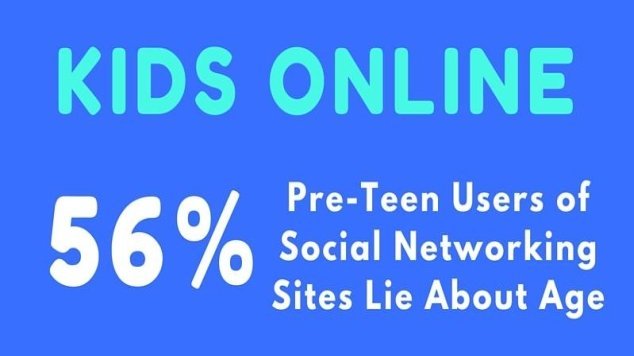
Most of us wouldn’t send a young child out into a busy town on their own — yet many children are spending hours online with little to no supervision. Research from the National Anti-Bullying Research and Resource Centre at Dublin City University found that fewer than 20% of parents supervise their child’s activity online, even as more and more young children go online every year.
The same research found that 52% of children aged 6–8 now have internet access, but only 18% of parents supervise their children’s use of social media. For many families, that’s a big gap between how connected kids are and how closely they’re being looked after online.
What the research found
Cybersafeireland.org and the Net Children Go Mobile study also highlighted some findings that gave many parents pause:
- 17% of children aged 9–12 had been in contact with a stranger online.
- 1 in 5 children said they’d been bothered by something they saw online in the past year.
- 18% of children aged 9–12 said they were upset by online or offline bullying.
- 11% of children had received sexual messages online, and 20% had seen sexual images.
- 45% of 9–10 year olds used the internet in their own bedroom on a daily basis.
- 14% of children aged 11+ had been exposed to online material promoting eating disorders.
- 8 out of 10 children who used social networking listed Facebook as their main profile, while Instagram was the most popular platform for sharing photos and media.
These figures come from research carried out some years ago, so the exact numbers may have shifted since — but the underlying message hasn’t: young children are online earlier, and many parents aren’t sure how closely to watch or how to start the conversation.
Related reading: Tips on Cyber-Bullying for Young People and Advice for Parents on Cyber-Bullying

Tips for parents
If the numbers above feel a little uncomfortable, you’re not alone — and there are simple, practical steps you can take to get more involved in your child’s online life without it feeling like surveillance.
- Talk and listen. Have regular, low-pressure conversations with your children about what they do online, who they talk to, and what apps or games they’re using.
- Know their accounts. Set up email and chat accounts together with your children. Know their screen names and passwords, and make sure their online profiles don’t include personal information.
- Understand the platforms. Set up your own accounts on the social media apps your child uses, so you understand how they work and what your child sees.
- Talk about cyberbullying openly. Ask your children directly whether they’ve ever experienced bullying online — as a bystander, a target, or otherwise — and let them know it’s safe to tell you.
- Reassure, don’t punish. Make it clear that if something goes wrong online, you won’t take away their device or internet access as a punishment. Fear of losing their phone or laptop is one of the biggest reasons children stay quiet when something upsets them.
Related reading: Posting Images Online — How to Stay Safe and 10 Tips for Practical Internet Safety for Kids
Frequently Asked Questions
Why is it important to supervise my child’s internet use?
Younger children in particular often don’t yet have the judgement to recognise risky situations online, whether that’s contact from strangers, inappropriate content, or bullying. Staying involved helps you spot problems early and gives your child someone to turn to if something upsets them.
What age should I start talking to my child about online safety?
There’s no single “right” age — many children are online from a young age now, so it’s worth starting simple conversations early and building on them as your child gets older and uses more apps and platforms.
How can I supervise my child online without it feeling like snooping?
Framing it as “let’s do this together” rather than “I’m checking up on you” tends to work best. Setting up accounts together, asking curious questions about games and apps, and keeping shared devices in family spaces are all gentler ways to stay involved.
What should I do if my child tells me they’ve been cyberbullied?
Listen without judgement first. Reassure them they haven’t done anything wrong and that you won’t take away their device. Then work together on next steps, such as blocking the person involved, reporting the content on the platform, or speaking to their school if needed.
Related articles
- Tips on Cyber-Bullying for Young People
- Advice for Parents on Cyber-Bullying
- Posting Images Online — How to Stay Safe
- 10 Tips for Practical Internet Safety for Kids
Want more parenting ideas like this?
If online safety is on your mind, chances are so are a hundred other parenting questions. Browse our family life section for more practical advice, or save this article to come back to when you need it.
Want weekly ideas straight to your inbox? Sign up for the MyKidsTime newsletter for practical parenting tips, activity ideas, and family life advice delivered to your inbox each week.