
As parents, we’re constantly on the lookout for the obvious dangers — sharp corners, hot ovens, busy roads. But some of the biggest risks to our families are the ones we can’t see, smell or hear. Radon gas is one of them.
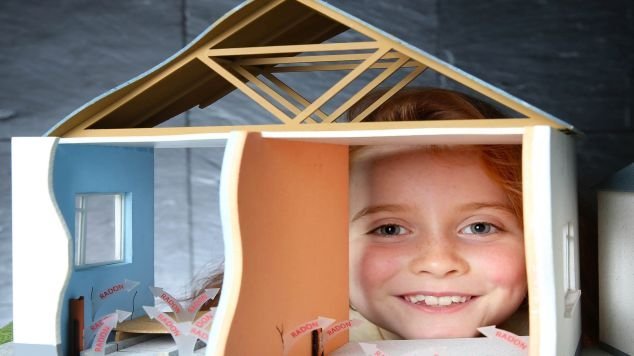
Radon is a naturally occurring gas that seeps up from the ground and can build up inside homes without any warning signs at all. It’s completely silent, invisible and odourless — which is exactly why so many parents have never thought to test for it. Here’s what you need to know, and how you can check whether it’s an issue in your own home.
Why be concerned about radon?
The World Health Organisation has classified radon as a carcinogen, placing it in the same category as asbestos and tobacco smoke. That means there is proven evidence it can cause cancer in humans.
Radon is present in every home to some degree. The concern arises when levels build up above the accepted safe threshold — and because there are no visible clues, testing is the only way to know where your home stands.
The good news is that testing is simple, and if levels are found to be high, there are practical, well-established steps to bring them back down.
How to test your home for radon gas
In Ireland, radon testing services are available through the Environmental Protection Agency (EPA) and a number of accredited private companies. Here’s how the process generally works:
- The test itself is a small, light plastic detector — about the size of a computer mouse — which you place somewhere in your home. It needs to stay in exactly the same spot, undisturbed, for around three months.
- Once the testing period is complete, the detector is posted back (usually in a prepaid envelope) to a laboratory for analysis.
- A report is then sent to the homeowner outlining the radon levels detected. If levels are found to be high, the recommended next step is to contact the EPA, who can advise on remediation options.
Radon typically enters homes through cracks and gaps in floors and walls, or around pipework leading into the building. Sealing these entry points is often part of the solution. Every home is different, so the amount of remediation work needed — if any — depends entirely on the individual test results.
Where to find more information
For readers in Ireland, the EPA and radon.ie are the go-to resources for testing services, current guidance and next steps if your home tests above the recommended level.
If you’re reading from outside Ireland, radon is a recognised health concern in many countries, and testing schemes vary by location — it’s worth checking with your own national environmental or public health agency for guidance relevant to where you live.
Frequently Asked Questions
What exactly is radon gas, and why is it a concern for families?
Radon is a naturally occurring radioactive gas that rises up from the ground. It has no colour, smell or taste, so there’s no way to know it’s present without testing. Long-term exposure to high levels has been linked to an increased risk of lung cancer, which is why health authorities take it seriously.
How do I actually test my home for radon?
You order a small detector from an accredited provider (in Ireland, this includes the EPA and approved private companies), place it in a chosen spot in your home, and leave it undisturbed for the testing period. It’s then returned for lab analysis, and you receive a report on the results.
How long does a radon test take?
The standard home test runs for around three months, as radon levels can fluctuate, and a longer period gives a more accurate picture than a quick spot-check.
What happens if my home tests above the recommended level?
If your results come back high, the recommended step is to contact the EPA (or your local equivalent) for advice. Remediation work — such as sealing cracks or improving ventilation — is tailored to each home, so the next steps will depend on your specific results.
Is this only relevant to homes in Ireland?
The testing services and thresholds mentioned here are specific to Ireland. Radon is a concern in many other countries too, so if you live elsewhere, check with your national environmental or public health agency for local guidance and testing options.
You might also like
- How to Poison Proof Your Home
- Winter Safety Tips for Families
Don’t want to miss the next one?
If you found this useful, sign up for the MyKidsTime newsletter for more practical, parent-friendly home and safety tips delivered straight to your inbox each week — no spam, just the good stuff.
You can also browse more family safety and home articles on MyKidsTime, or save this one to come back to when you’re ready to book a radon test.