
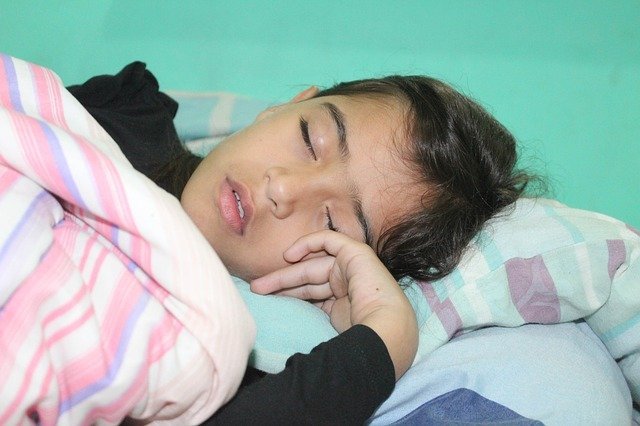
Sleep isn’t just about avoiding a cranky morning — research suggests it may play a real role in your child’s long-term health, including their risk of obesity. Here’s what the evidence says, and what you can do about it.
Researchers at Albert Einstein College of Medicine, led by Dr Karen Bonuck, looked at sleep patterns and obesity risk using data from nearly 1,900 children tracked by the Avon Longitudinal Study of Parents and Children (ALSPAC) in England. Their findings, published in The Journal of Pediatrics, point to two separate but related sleep issues that both raise a child’s risk of becoming obese.
Sign up for our free newsletter for weekly parenting tips, activity ideas and family offers. You’ll also find us on Facebook, Twitter, Instagram and Pinterest.
Two Key Factors
1. Lack of Sleep
Children with the shortest sleep duration at around 5 and 6 years of age had a 60 to 100 percent higher risk of being obese by age 15. In the study, “short sleep duration” meant sleeping less than 90 percent of children the same age.

For 5 and 6 year olds, that worked out at around 10.5 hours a night or less. This suggests that age is a particularly important window for making sure your child gets enough sleep.
Too little sleep can affect thyroid and stress hormone levels, which in turn influence memory, immune function, heart health, metabolism and more.
2. Sleep Disordered Breathing
The researchers also looked at sleep disordered breathing (SDB) — things like snoring, sleep apnoea or mouth-breathing during sleep. Children with the most severe SDB were twice as likely to become obese by ages 7, 10 and 15, compared with children who showed no symptoms.
Addressing the Problem
So what can parents actually do with this information?
If you’ve noticed signs of a possible sleep disorder — persistent loud snoring, apnoea, or breathing through the mouth at night — it’s worth mentioning to your GP. Enlarged tonsils or adenoids are a common cause of SDB in children, and your doctor can advise on whether further assessment or treatment is appropriate.

If your child regularly struggles to fall asleep, resists bedtime, or sleepwalks, this can also be worth discussing with your GP, as it may point to an underlying sleep issue. Similarly, malocclusion (misaligned teeth or jaws) is something a dentist or orthodontist can assess and treat if needed.
As for plain lack of sleep — which is thought to affect a large proportion of preschoolers — the good news is that this is often the most fixable factor. Good sleep habits and a consistent bedtime routine can make a real difference.
Tips for Encouraging Good Sleep Habits
#1. Establish a regular time for going to bed and waking up
A consistent bedtime and wake-up time — even at weekends — helps your child’s body clock settle into a steady rhythm.
#2. Ensure your child is getting enough sleep
As a general guide:
- 18 months – 3 years: 12–14 hours a night
- 3–5 years: 11–13 hours a night
- 5–12 years: 10–11 hours a night
- Teens: 9–10 hours a night
 #3. Make bedtime a calm, connected routine
Build in 15–30 minutes of calm, soothing activity before lights out, and use the time to connect with your child.
Reading together works especially well. Bedtime stories are an easy way to anchor a routine, and kids often look forward to them — especially if there’s a chapter (or two) to look forward to each night.
#4. Try to avoid helping your child fall asleep
Where possible, avoid letting your child fall asleep while being held, rocked, fed a bottle, or nursed, so they learn to settle independently.
#5. Limit caffeinated drinks
Keep caffeinated drinks — including fizzy drinks and hot chocolate — away from the later part of the day.
#6. Cut out high-tech distractions in the bedroom
Keep screens out of the bedtime routine and, ideally, out of the bedroom altogether. Phones and tablets should be off well before lights out.
#7. Don’t rely on naps to make up for a bad night’s sleep
Napping hasn’t been shown to offset the effects linked to obesity risk — it’s not a substitute for a good night’s sleep.
Frequently Asked Questions
How much sleep does my child actually need?
It depends on their age: toddlers (18 months–3 years) need roughly 12–14 hours a night, preschoolers (3–5 years) need 11–13 hours, primary school-aged children (5–12 years) need 10–11 hours, and teens need 9–10 hours.
What are the signs of sleep disordered breathing in children?
Persistent loud snoring, pauses in breathing during sleep, breathing through the mouth rather than the nose, and restless or disturbed sleep can all be signs worth mentioning to your GP.
Can napping make up for a poor night’s sleep?
No — the research suggests naps don’t offset the effects linked to short night-time sleep, so a consistent bedtime routine matters more than making up sleep during the day.
When should I get my child’s sleep checked by a doctor?
If snoring, mouth-breathing, apnoea-like symptoms, sleepwalking, or ongoing difficulty falling or staying asleep are a regular pattern rather than an occasional bad night, it’s worth raising with your GP.
Related Articles
- The 100 Best Ever Bedtime Stories for Kids, Recommended by Parents
- Gentle Bedtime Routines That Actually Work for Busy Families
- How Screen Time Affects Your Child’s Sleep
Keep Exploring
Looking for more practical family routines and everyday parenting tips? Browse more articles on family life and sleep on MyKidsTime, or save this one to come back to next time bedtime needs a reset.
Never Miss an Update
Want more tips like this delivered straight to your inbox? Sign up for our free weekly newsletter for practical parenting ideas, activities and family offers.
*Study referenced: “Sleep-Disordered Breathing, Sleep Duration, and Childhood Overweight: A Longitudinal Study,” published in The Journal of Pediatrics.
Have you noticed a link between sleep and mood, appetite or energy in your own child? Share your experience in the comments below.