
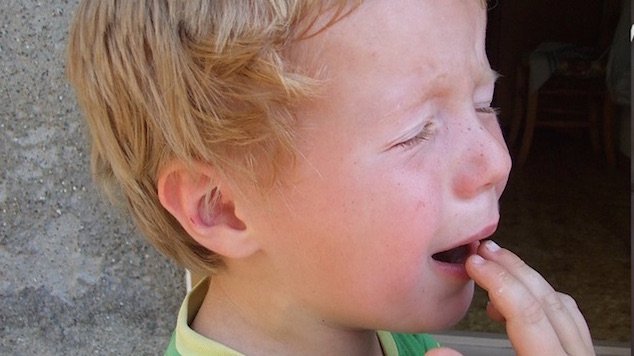
As a parent, it’s never easy to see your child in pain. From the early days of teething and nappy rash to bruised knees, sore throats and tummy bugs, we worry about our little ones — and we’re the ones they turn to for comfort, reassurance and help getting through it.
As a mum of two, I’ve had my fair share of bumps, scrapes and bugs to deal with over the years. Here are my 5 useful tips on helping your child cope with pain.
Helping Your Child Cope With Pain
It’s really hard as a parent to watch your child in pain. Here are five things you can do to help.
#1. Reassure Your Child

Sometimes simply reassuring your child that they’ll be okay, and giving the affected area a kiss better, can help them deal with the pain.
Even a small cut can bleed quite a bit, or look worse than it actually is until you clean it up and offer some sympathy. Or your child might feel unwell with a cold or a virus — keep them hydrated, keep an eye on their temperature, and most of all, be there for them and reassure them that they’ll feel better soon.
Children learn a lot from watching how we handle our own pain. The calmer and more matter-of-fact we are about our own bumps and bugs, the better our children tend to cope with theirs.
#2. Consult Your Pharmacist
As adults we’re expected to have all the answers, but of course we don’t always know it all! Help is close at hand from your local pharmacist. They can help with everything from identifying symptoms to advising on the best product to help your child cope with pain from whatever is making them feel unwell.
Whether you’re pregnant, have a newborn, or a growing toddler on your hands, your local pharmacy is a great source of expert, friendly advice. No worry is too small to ask about.
#3. Distract Your Child

Play a game, watch a favourite programme, read a book or tell a story to take your child’s mind off the pain they’re feeling. Our minds are powerful, and if you can distract your child from thinking about the pain, they’ll often start to feel better.
If your child is missing school because they’re unwell, try to make sure they don’t come to see it as a “fun day off” — this can lead to more mystery ailments down the line! Be firm but fair. Insist that any missed homework is caught up on, and you’ll often see a quick improvement.
#4. Over-the-Counter Options, With a Little Professional Guidance

Many parents keep some over-the-counter pain and fever relief at home. Because the right product — and the right amount — depends on your child’s age and weight, always check the packaging carefully and ask your pharmacist if you’re ever unsure, especially the first time you give your child a new medicine, so you know what signs to watch out for.
It’s also worth learning your child’s habits. If you notice a pattern — say, they suddenly feel unwell every week just before swimming lessons — it’s worth having a gentle chat to find out whether the pain is physical or whether something is making them anxious.
Sometimes, easing a child’s mind is half the battle. I remember my daughter feeling unwell at school just after we’d been away on holidays. In the end, I gave her some children’s vitamin tablets and told her they’d help settle the “sick feeling” — and it worked a treat, simply because she felt looked after and reassured.
#5. Consult Your GP
If your child is in pain or feeling unwell for more than a couple of days, it’s time to check in with your GP.
Always trust your instincts — you know your child best, and you’ll usually be able to tell when they’re genuinely unwell versus when they just need a bit of extra attention or comfort.
Related Reading
- Flu or Meningitis: Would You Know the Difference?
- Do You Know the Top 10 Choking Hazards for Kids?
- 12 Tips for Soothing Family Colds and Coughs This Winter
Frequently Asked Questions
How can I tell if my child’s pain is serious?
Trust your instincts as a parent — you know your child’s normal behaviour best. If pain is severe, doesn’t ease with comfort or rest, or is paired with other worrying symptoms, or if it lasts more than a couple of days, contact your GP or pharmacist for advice.
Is it okay to distract my child instead of talking about the pain?
Yes — distraction through play, stories or a favourite show can genuinely help take a child’s mind off minor pain and discomfort. It works alongside reassurance, not instead of it.
When should I bring my child to the pharmacist rather than the GP?
For everyday bumps, colds and general “not feeling right” days, a pharmacist is a great first port of call for advice and guidance. If symptoms persist, worsen, or you’re at all concerned, follow up with your GP.
Can my own reaction to pain affect how my child copes?
Yes. Children pick up on how the adults around them handle pain and illness. Staying calm and reassuring, rather than making a big fuss, tends to help children feel more settled themselves.
Save These Tips for Later
Bookmark this page or add it to your favourites so you’ve got these tips handy the next time you’re comforting a little one through a bump, bug or bruised knee.
Want More Family Life Tips?
Sign up to the MyKidsTime newsletter for a weekly round-up of parenting tips, family activities and ideas — straight to your inbox, no pressure, unsubscribe any time.