
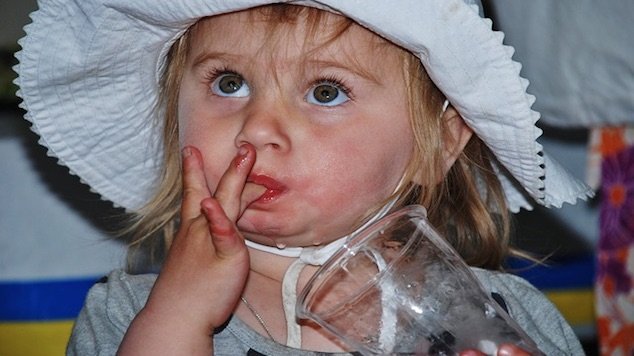
Sugar is one of those topics that comes up again and again for parents — we all suspect a sugary snack is behind the sudden burst of hyperactivity before bedtime, but do you actually know how much sugar per day your child should be eating?
The tricky part for most of us is twofold: knowing what the recommended daily amount actually is, and knowing how much sugar is hiding in the everyday food and drinks we hand our kids without a second thought. Added sugar can build up fast, often in things that don’t taste all that sweet.
So Why Is Too Much Sugar a Problem?
 We all know too much sugar is bad news for teeth, but it also contributes to a build-up of harmful fat around internal organs that we can’t see. Over time, this can raise the risk of:
- Weight gain
- Type 2 diabetes
- Heart disease
- Some cancers
Recommended Reading: Are You Giving Your Kids Too Much Sugar?
How Much Sugar Per Day Should Kids Have, by Age?
Here are the general guidelines often used for how much added sugar kids should have per day, by age:
4–6 years
Around 5 sugar cubes max, or 19 grams
7–10 years
Around 6 sugar cubes max, or 24 grams
11+ years
Around 7 sugar cubes max, or 30 grams
(1 sugar cube is roughly 4g of sugar.)
To put that in perspective: a typical 330ml can of fizzy drink can contain up to 35g, or around 9 teaspoons, of free sugar. That’s more than the recommended daily amount for an older child — in one can.
Recommended Reading: How much sugar per day are we really consuming?
How to Find Out How Much Sugar Is in Everyday Food and Drink
If you want to get a clearer picture of how much sugar is really in your child’s diet, a few campaigns, tools and websites can help.
Jamie Oliver’s Sugar Rush Campaign
 Jamie Oliver’s Sugar Rush campaign called on the food and drinks industry to cut back on added sugar, and pushed for government action on soft drinks — including a self-imposed tax on soft drinks sold in his own restaurants, with the funds used for food education. It’s worth looking at the wider Jamie Oliver food education content for sugar facts and practical tips for families.
NHS Sugar Smart App
The NHS also produced a free app called Sugar Smart, designed to let parents scan barcodes on food packaging — at home or in the shop — to see exactly how much sugar was in a product before buying it. Tools like this are a handy way to build sugar-awareness into your regular shop.
Safefood Infographic: How Much Sugar Is in Kids’ Drinks?
 Drinks are often the biggest hidden source of sugar in a child’s day. Could you say, off the top of your head, how many sugar cubes’ worth are in a glass of orange juice, a fizzy drink or a smoothie? Safefood have put together a clear infographic comparing sugar levels across natural fruit juices, sweetened fruit drinks, fizzy drinks and smoothies. They also suggest a simple trick for younger children: bendy or coloured straws can make plain water feel like more of a treat.
How to Spot Added Sugar on Food Labels
 Here’s the tricky bit — you can’t always tell from the nutrition panel alone whether sugar is added or naturally occurring. The “sugars” line on a label includes both. Natural sugars occur in milk (lactose) and fruit (fructose), so any product containing milk (yogurt, milk, cream) or fruit (fresh or dried) will show some natural sugar even with nothing added. Heart.org has useful guidance on working out what to look for on a label to spot added sugars specifically.
Recommended Reading: Eats, treats and labels: how to read a nutrition label
Over to you now — do you feel you have a good handle on your child’s sugar intake? Tell us in the comments below.

Frequently Asked Questions
How much sugar per day should my child have?
It depends on age. As a general guide, 4–6 year olds should have no more than around 19g (roughly 5 sugar cubes), 7–10 year olds around 24g (roughly 6 cubes), and children 11 and over around 30g (roughly 7 cubes) of added sugar per day.
Why is too much sugar bad for kids?
Beyond tooth decay, regularly eating too much sugar can contribute to weight gain and a build-up of fat around internal organs, which raises the risk of problems like type 2 diabetes, heart disease and some cancers later in life.
How can I tell how much sugar is in my child’s food or drink?
Barcode-scanning apps, sugar-content infographics from organisations like Safefood, and learning to read the “sugars” line on a nutrition label are all practical ways to get a clearer picture of what’s really in the food and drinks your child has each day.
What’s the difference between added sugar and natural sugar?
Natural sugars occur on their own in foods like milk (lactose) and fruit (fructose). Added sugar is sugar put into food or drink during processing or preparation. Nutrition labels don’t always separate the two clearly, so it can take a bit of extra checking to spot added sugars specifically.
Related Articles
- Are You Giving Your Kids Too Much Sugar?
- How Much Sugar Per Day Are We Really Consuming?
- Eats, Treats and Labels: How to Read a Nutrition Label
Want more ideas for keeping family meals and snacks on track? Browse our food and recipes section for more parent-tested tips.
Stay in the Loop
Want more practical parenting tips like this delivered straight to your inbox? Sign up for our free newsletter for weekly ideas, activities and family-life inspiration — no spam, just useful stuff.