Packing a lunch box, choosing a quick snack, or picking a treat for the kids should be simple — but keeping it genuinely healthy can be much harder than it looks. Between clever advertising, attractive packaging and reassuring slogans, it’s easy to be led astray before you’ve even glanced at the ingredients list. Nutritional Therapist Bridget Wing explains how to read a nutrition label properly, so you can see exactly how much salt, sugar and fat is really in your kids’ snacks.
How to Read a Nutrition Label Correctly
First you have to get past the advertising, then the attractive packaging design, then the helpful-sounding claims — things like “no added sugar” or “contains real fruit juice” — before you even reach the ingredients list on the back (or the side, or under a flap).
But beware: all that glitters is not gold.
- No added sugar means no added fructose has been included. It does not mean there are no other sugars in the product — these are often listed under different names, covered below.
- Contains real fruit juice often means a highly concentrated, sugar-rich fruit concentrate, or only a tiny amount of actual fruit. Check the rest of the ingredients closely too.
- Fat free products are frequently high in sugar to make up for the missing fat and flavour.
- 100% natural can still mean the ingredient has been processed — chemically or structurally altered — into something far less healthy than its origin suggests.
The golden rule: always read the ingredients list, regardless of what the front of the pack claims.
Chemical Additives
Additives such as artificial colours, flavours, sweeteners and preservatives are usually the easiest to spot, as they appear as E numbers or chemical names. Sweeteners are listed by name — the most common are aspartame, acesulfame K, saccharin, sucralose and stevia.
The ingredients really worth watching are sugar, fat and salt. The amounts added to everyday products can be surprising, and sometimes well disguised. It helps to remember that manufacturers are focused on shelf life, taste and sales — not on what’s best for your child.
Salt
Salt may be listed as salt, sodium, sodium phosphate, natural salt or sea salt. General adult guidance suggests keeping salt intake to no more than 5–6g (2–2.4g sodium) per day — children need less.
This total includes salt from all sources, including home cooking. Processed foods are often much higher in salt than people expect. A “low salt” food contains no more than 0.3g salt (0.12g sodium) per 100g.
Fats
Fats are usually easy to spot on a label, listed as butter, trans fat, hydrogenated or non-hydrogenated fat, or simply as an oil (olive, canola, rapeseed and sunflower are common examples).
The fats to avoid are trans fats and hydrogenated fats. Be cautious of “vegetable oil” too — it can be a catch-all term for oils of mixed or lower-grade origin. If a vegetable oil is hydrogenated, this should be stated on the label, though labelling rules vary between countries. A “low fat” product contains less than 3g of fat per 100g.
Sugars
Sugar sometimes appears simply as sugar, but more often it’s hidden among a long list of other names. The body treats all of these in broadly the same way, and high intakes are linked to issues like hyperactivity, fatigue, insulin resistance and weight gain.
Watch out for: sucrose, fructose, lactose, glucose, maltose, dextrose, sugar, raw cane sugar, granulated sugar, natural sugar, invert sugar syrup, invert syrup, dehydrated cane juice, syrup, corn syrup, high-fructose corn syrup, malt syrup, maple syrup, rice syrup, barley malt extract, honey, agave nectar, molasses and treacle.
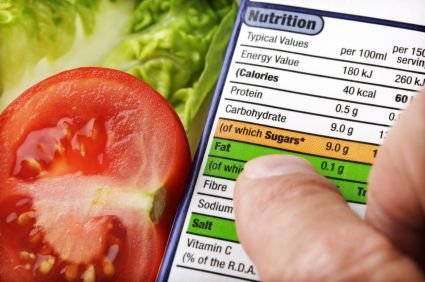
When checking nutrition values, look at the “of which sugars” figure under carbohydrates. If it reads 20g per 100g, then 20% of that product is sugar. There’s no need to set a strict daily minimum or maximum for children — they get plenty of natural sugars from sources like fruit and milk — but it’s worth keeping added sugar to a minimum where you can.
Hidden Ingredients
Some foods that seem like healthy choices can actually be high in hidden sugar, salt or fat. It’s worth reading the labels on these carefully:
- Granola and cereal bars
- Tinned fruits, vegetables and soups
- Bread
- Pasta sauces
- Ready meals
- Mayonnaise, ketchup and salad dressings
- Yoghurts
- Fromage frais
- Cultured yoghurt drinks
- Jellies
- Breakfast cereals
- Savoury snacks, crackers, crisps and salted nuts
- “Low fat” products
- Biscuits, especially filled biscuits
- Chinese restaurant food
- Smoked fish
- Cured meats
Once you get into the habit, checking labels only takes a moment — and it can make a real difference to what ends up in your child’s lunch box or snack drawer.
Article written by Bridget Wing, Nutritional Therapist.
Frequently Asked Questions
Is “no added sugar” the same as sugar-free?
No. It means no added fructose has been included, but the product may still contain other naturally occurring or added sugars listed under different names, such as glucose syrup or fruit concentrate.
What counts as a low-salt food?
A product is generally considered low in salt if it contains no more than 0.3g of salt (0.12g of sodium) per 100g.
Why do labels list so many different names for sugar?
Manufacturers can use a wide range of sugar sources — like dextrose, maltose or rice syrup — which means sugar content isn’t always obvious from a quick glance. Checking the “of which sugars” figure under carbohydrates gives a clearer picture.
Are “fat free” or “low fat” products automatically healthier?
Not necessarily. Removing fat often means sugar or other ingredients are increased to maintain flavour, so these products can still be high in sugar or salt.
Related Articles
- Healthy Lunch Box Ideas Kids Will Actually Eat
- Easy After-School Snacks for Busy Families
- Simple Swaps to Cut Down on Added Sugar at Home
Save These Tips for Later
Nutrition labels can feel like a lot to take in at the supermarket shelf. Bookmark this guide or share it with another parent so you’ve got a quick reference next time you’re checking a pack of snacks or a lunch box staple.
Want More Family Food Ideas Every Week?
Sign up to the MyKidsTime newsletter for practical tips, easy recipes and lunch box inspiration delivered straight to your inbox — no pressure, just useful ideas when you need them.