
Not sure where to start with gardening? You’re not alone. The tricky part for beginners is rarely the digging or the watering — it’s knowing when to do what. This month-by-month plan takes the guesswork out of it, so you and the kids always know what’s worth sowing or planting next, whatever the season.
A quick tip before you start: seeds are much cheaper than bulbs and young plants, so if you and the kids are happy to wait a little longer for things to grow, sowing from seed is the more budget-friendly option.
Jump to: Spring | Summer | Autumn | Winter
Spring Sowing
Spring is when the garden really wakes up, and it’s a great time to get children involved as everything starts growing quickly.
March
Sow parsnips, carrots, lettuce and peas. It’s also a good time to plant flowers like lilies and stocks.
April
Sow early potatoes, tomatoes, mangetout peas, runner beans and courgettes, along with bedding plants. April is also the month to plant fruit trees, fruit bushes and hardy annuals.
May
Sow cabbage, broccoli, cauliflower, pumpkin, squash and beetroot. May is also a lovely time to plant herbs, window boxes and hanging baskets — easy, satisfying projects for younger kids.
Summer Sowing
Once the weather warms up, it’s less about sowing new seeds and more about keeping things growing and planning ahead.
June
Plant leeks, courgettes and celery.
July
Plant bulbs for autumn-flowering plants such as crocus. July is also a good time to sow salad leaves, which can be grown right through the summer.
August
Sow seeds for plants that will flower in spring, such as snowdrops, as well as seeds for next summer’s blooms, including cornflowers and poppies.
Autumn Sowing
Autumn is about tidying up summer growth while quietly setting up next year’s garden.
September
Plant spring cabbages, and get any new trees and shrubs into the ground before winter sets in. It’s also the month to plant daffodil, tulip, wallflower and lily bulbs for a spring display.
October
Plant pansies, which will flower through winter and into summer, along with summer biennials.
November
Sow broad bean seeds.
Winter Sowing
Winter feels quiet in the garden, but there’s still a little to do.
December
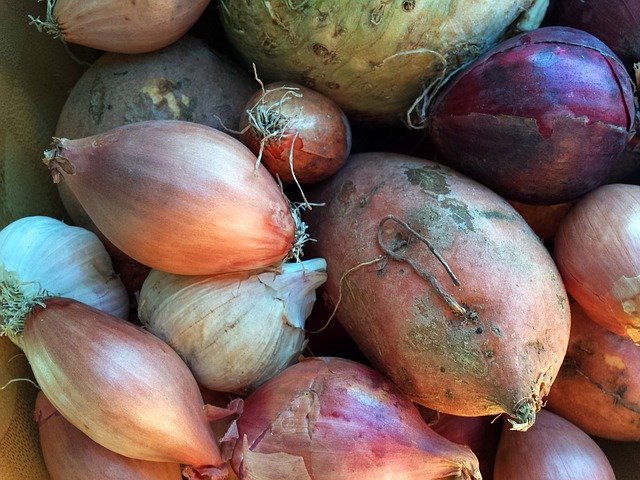
Plant shallots.
January & February
If you have a greenhouse, this is the time to start sowing seeds for the year ahead. No greenhouse? Don’t worry — you can still sow seeds in trays and keep them somewhere warm until they germinate, ready to move outside later.
Frequently Asked Questions
Do I need a greenhouse to start gardening?
No. While a greenhouse is handy for getting an early start on seeds in January and February, you can get the same result by sowing seeds in trays and keeping them in a warm spot indoors until they sprout.
Is it cheaper to grow from seed or to buy plants and bulbs?
Seeds are generally much cheaper than buying young plants or bulbs. The trade-off is time — seeds take longer to become established, so this works best if you and the kids are happy to be patient.
What’s a good month for beginners to start?
March and April are great starting points, with plenty of straightforward options like carrots, peas, lettuce and potatoes, all of which are fairly forgiving for first-time growers.
Can kids get involved at any time of year?
Yes. Spring and summer offer the most hands-on sowing and planting jobs, but even in winter, kids can help start seeds in trays indoors or help plan what to grow next.
Related Reading
- 10 Easy To Grow Vegetables For First Time Gardeners
- All You Need To Know About How To Grow Garlic
- Tips and Hints for Growing Vegetables From An Experienced Gardener
Keep the Ideas Coming
Not ready to plant everything at once? Bookmark this page and come back each month as a handy reminder of what’s worth sowing next.
Don’t miss our best content, straight to your inbox. Sign up for our free newsletter for fun ideas and things to do with the kids, family-friendly recipes, expert advice, parenting tips and great competitions.
—
Do you follow a planting calendar in your own garden? Got a tip for other gardening beginners? Share it with us in the comments below.