
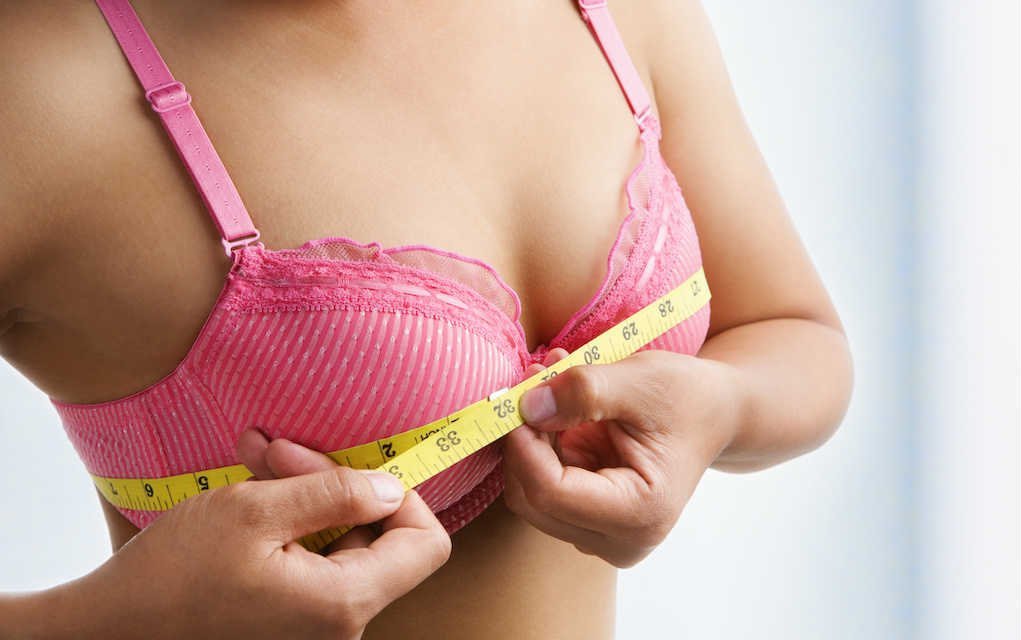
Balcony, t-shirt, bandeau, strapless, halter, lace, padded, underwired, plunge… there are endless bra styles and designs, but there’s really only one rule that matters: make sure it fits. That sounds obvious, but most of us are wearing the wrong bra size without even realising it.
Don’t miss our best content straight to your inbox! Sign up now and get our FREE newsletters packed with fun ideas and things to do with the kids, family-friendly recipes, expert advice, parenting tips and great competitions.
Whether you’re an A cup or a G cup, the right bra is an essential part of your outfit, even if no one else sees it. When we go clothes shopping, we’ll try on several options before picking what feels and looks best — so why don’t we do the same with bras?
Don’t waste money guessing your size, or stick with whatever you’ve worn for the last ten years. Measuring is the only way to know your true size, and a bra fitting service will give you accurate, personalised advice.
Let’s look at some of the most common bra-fitting mistakes, and how to make sure you’re getting the best fit for your shape.
You May Also Enjoy 9 No-Nonsense Beauty Tips for Busy Mums
Finding the Perfect Fit
There are two key measurements you need before shopping for a bra: your back size and your cup size. The back size is the number on the label (for example 32, 36 or 40), and the cup size is the letter (for example A, B, DD, F). Both need to be right for you — and your breasts — to be genuinely comfortable.

If you’re not sure what a “good fit” actually looks like, these are the checks to run through:
1. The band that runs under the breasts and around your back should be snug, but not so tight it digs into your skin. You should be able to fit two fingers underneath it comfortably.
2. If you’re wearing an underwired bra, the wires should sit flat against your chest. Go up a back size if the wires dig into your breasts or sit away from your breastbone.
3. The cup of the bra should mould to your skin and sit flush with your breasts. There should be no gaping (cups too big) and no spilling over the top or under the arms (cups too small).
4. The straps shouldn’t fall down or dig in. Most of the support should come from the underband, so you should be able to loosen the straps slightly without the fit changing.
Changing Shapes and Bra Size

Our bodies change constantly — hormones, pregnancy, breastfeeding, weight changes, surgery and more all play a part. We’re usually quick to buy clothes in a new size, but how many of us take the time to get re-measured for the right bra? Guilty as charged here too.
Holding on to bras that no longer fit, just because they’re pretty, expensive or sentimental, is a bit like keeping jeans you’re hoping to fit back into one day. It’s worth letting that go and choosing bras that suit the body you’re in right now — ones that support you properly and leave you feeling comfortable and confident.
Larger Busts
If you’re a D cup or larger, you may find it harder to track down comfortable, stylish, affordable lingerie — and, let’s be honest, everyone deserves access to the same pretty, lacy options.
Maternity and Nursing
This stage catches a lot of us out. If you’ve always worn underwired bras, it can be a surprise to learn they’re not recommended from early pregnancy onwards — the wires can be restrictive and uncomfortable for fast-changing breasts, and may restrict milk ducts. The good news is maternity and nursing bras have come a long way, with plenty of pretty, functional and supportive options to choose from. Just keep in mind that your shape and size will likely keep changing over the following months, so it’s worth getting measured again as your pregnancy progresses.
You May Also Enjoy 7 Simple Tips for After Pregnancy Style
Post-Surgery
If you’ve recently had breast surgery, you may be dealing with sensitive scar tissue, swelling or tenderness, so a well-fitted, gentle bra matters more than ever. Some retailers offer post-surgery ranges developed with breast cancer charities, designed with supported prosthesis pockets, soft seam-free fabric, and smooth straps to be as comfortable as possible on healing skin. It’s worth asking your local lingerie or department store fitting service what post-surgery options they currently stock.
Smoother Lines
If visible bra lines drive you mad, or you can’t stand the feel of labels, seams and stitches, look for bras with extra-thin cups and ultra-fine edges — they’re designed to sit smoothly under clothes without showing through.

What Bras Do You Need?
Once you know your correct size, it’s worth taking a fresh look at your lingerie drawer. There are four bras most women benefit from having — anything beyond that is a bonus.
1. A good sports bra is essential. It supports and protects delicate breast tissue, prevents excess movement, and reduces friction and irritation compared to wearing a regular bra during activity.
2. A strapless bra is always useful, for wearing under cami tops as well as strapless tops and dresses.
3. A t-shirt bra for smooth lines, a seamless silhouette, and comfortable everyday wear.
4. A white, nude or neutral bra, so you’re not caught out under a light-coloured top.
You May Also Enjoy A to Z: How to Look Polished and Groomed (Even When You’re Not!)
Frequently Asked Questions
How do I know if I’m wearing the wrong bra size?
Common signs include straps digging in or slipping down, the band riding up at the back, underwires poking or sitting away from your breastbone, and cups that gape or overflow. If any of these sound familiar, it’s time for a re-measure.
How often should I get measured for a bra?
It’s a good idea to get re-measured whenever your body changes significantly — after pregnancy, breastfeeding, weight changes or surgery — and roughly once a year even if nothing obvious has changed, since bra size can shift gradually over time.
Can I measure my own bra size at home?
You can take rough measurements yourself, but sizing varies between brands and styles, so an in-person fitting service will give you a far more accurate and comfortable result.
What’s the most important bra to invest in first?
A well-fitted everyday t-shirt bra and a supportive sports bra are the two most versatile pieces to get right first, since they’ll get the most regular wear.
Related Articles
- 9 No-Nonsense Beauty Tips for Busy Mums
- 7 Simple Tips for After Pregnancy Style
- A to Z: How to Look Polished and Groomed (Even When You’re Not!)
Have you been measured for your correct bra size recently? Do you think you’re due a lingerie revamp? Leave a comment below and let us know — we’d love to hear from you!

Don’t miss our best content straight to your inbox! Sign up now for our free weekly newsletter, packed with parenting tips, family-friendly ideas and more just like this.