
PROMOTED · This article is published in partnership with Trading Faces Galway, whose autumn 2026 term is now enrolling.
Taking part in a performing arts class can help boost your child’s confidence in a safe and fun environment. Even the shyest child can grow into a self-assured young person with the ability to communicate well. We talked to Claire Power, Artistic Director with Trading Faces Galway, who has been a drama teacher for more than 20 years, to find out the helpful benefits of performing arts for your child.
YOU MAY ALSO ENJOY: How Speech And Drama Classes Can Inspire Self Confidence
7 Benefits of Performing Arts
#1. Builds Self Confidence
From improvisation to performing in front of peers, friends and family, performing arts takes your child out of their comfort zone in a safe and fun environment. Taking part in classes slowly builds confidence and self-belief in every student, as they’re nurtured and taught how to express their thoughts and ideas creatively.
Classes usually culminate in a show, where children perform on stage for a real audience. That confidence and ability to stand up in front of a crowd stays with them for life.
#2. Improves Listening And Communication Skills
From chatting with peers and coaches about their ideas, to projecting their voice on stage or directing fellow students from behind the camera, one of the biggest benefits of performing arts is stronger communication skills.
There’s also a real improvement in listening skills, as children hear the opinions of other students and coaches and learn to wait their turn to shine.
#3. Increases Empathy And Compassion
Having to “get into character” teaches your child empathy and compassion for different people and situations. They may also find themselves working behind the scenes rather than always in the spotlight, which helps them see the world from a different perspective.
#4. Teamwork
The teamwork involved in performing arts is unlike that of any other activity. It’s not about winning or losing — it’s about working with your peers towards a common goal of creating a great performance, no matter how big or small your part is.
#5. Support For Third-Level Applications
Some third-level institutions in Ireland, including University of Galway, offer bonus CAO points for students who show artistic promise and achievement in areas such as:
- Drama & Theatre
- Film
- Music
These schemes are typically portfolio or audition-based, so it’s worth checking directly with individual colleges for current criteria. Trading Faces works with students to help them build the skills needed for this kind of assessment.
#6. A Fun Way To Express Yourself
Performing arts is a genuinely fun way to express yourself, whether through dance, music or acting. Whatever mood your child is in, there’s a character to suit it. And whether their talents lie behind the scenes or in front of the camera, there’s an opportunity to express something unique.
#7. A Fun Workout!
It’s physical too — from learning dance steps to performing on stage to singing, children are constantly moving, which makes it a fun workout in the process.
Where Can It Lead? Ask Trading Faces Alumni
For proof of where a childhood drama class can take you, look no further than the Trading Faces alumni. Past pupil Nicola Coughlan went from classes in Galway to starring roles as Clare in Derry Girls and Penelope in Bridgerton, and she has returned to give masterclasses to current Trading Faces students. Fellow alumnus Rhys Mannion has also gone on to a professional acting career.
The school runs its own talent agency alongside its classes, and students get masterclasses with working casting directors and actors — the kind of industry contact that is hard to find outside Dublin.
This Term At Trading Faces (Autumn 2026 To Spring 2027)
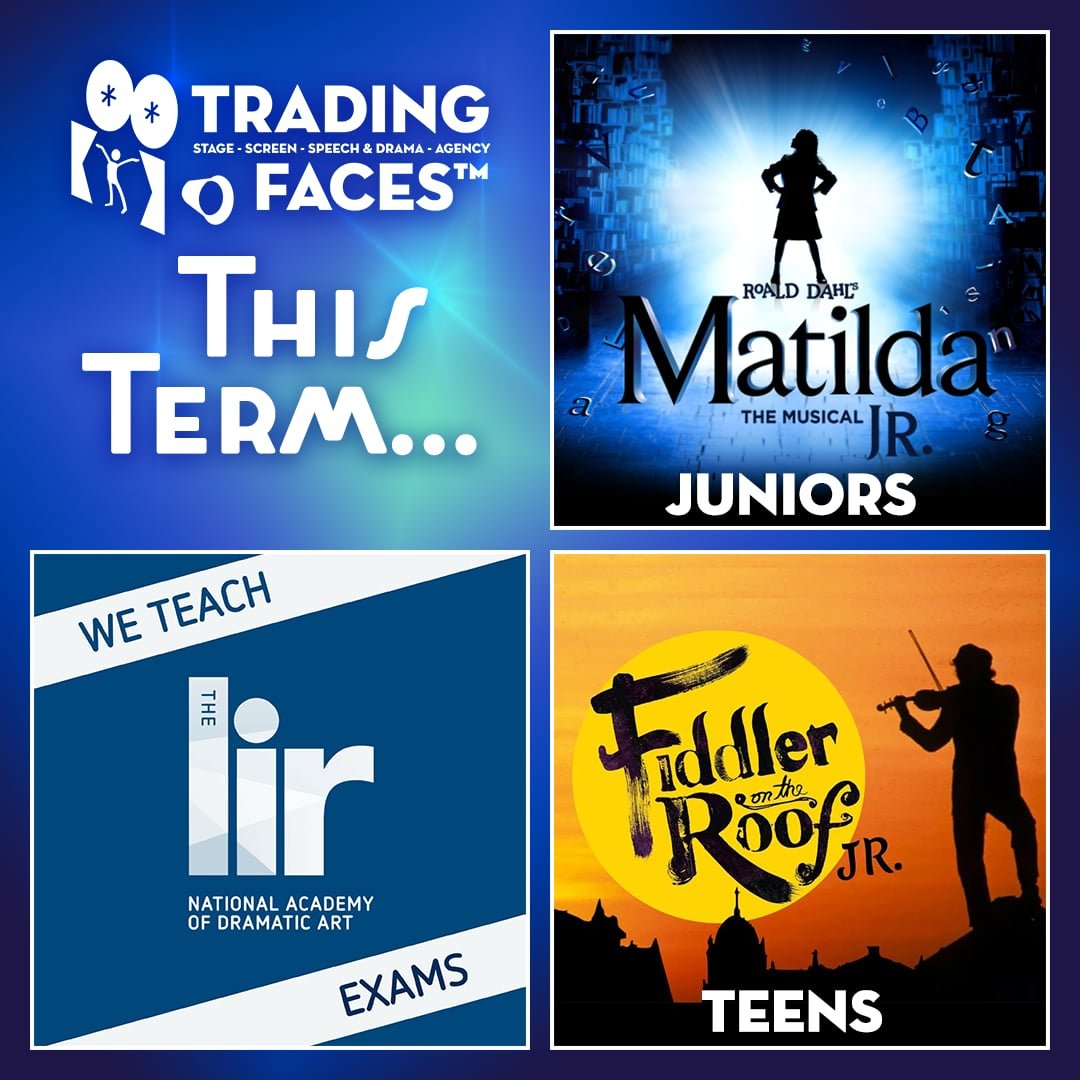
Enrolment is open now for the autumn 2026 to spring 2027 term, and places are limited:
- Junior Stage School — juniors will stage Roald Dahl’s Matilda The Musical Jr. at the Town Hall Theatre, Galway, with musical theatre workshops in acting, vocals and dance along the way.
- Teens Stage School — teens will stage Fiddler on the Roof Jr. at the Town Hall Theatre, with the same mix of acting, vocal and dance training from four professional directors.
- NEW: Stage & Film Acting Exam Course — a new exam course for juniors aged 8–12 and teens aged 13 and over, run in partnership with The Lir National Academy of Dramatic Art, covering professional acting training, audition preparation, voice, movement and script analysis. The school says the exams can contribute performance points towards CAO applications — check current criteria with individual colleges.
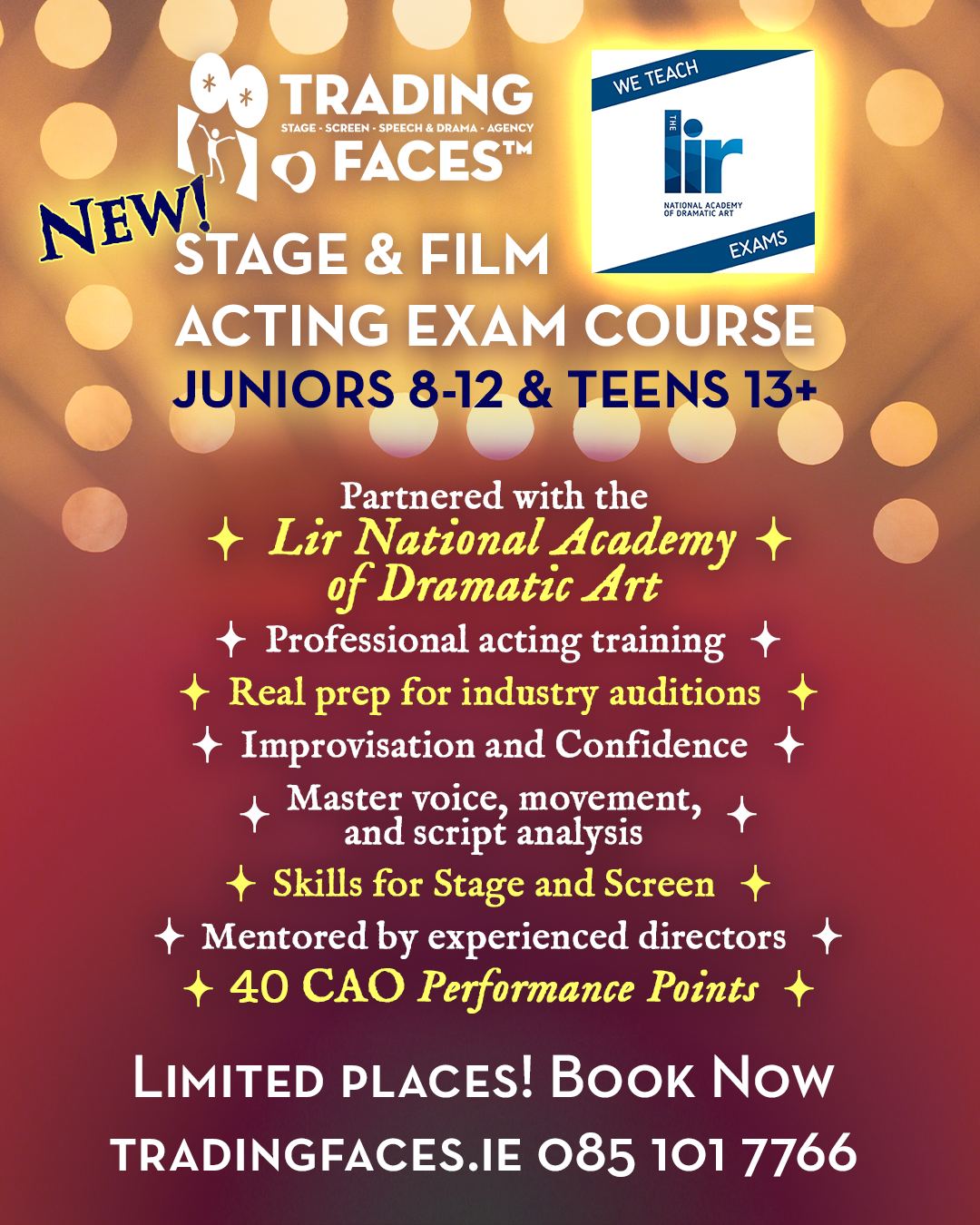
Find out more and book at tradingfaces.ie or call 085 101 7766.
FAQs
What age can my child start performing arts classes?
Many drama and performing arts schools welcome children from junior primary age upwards, with classes grouped by age and stage of development. Check with your local provider for their specific age groups.
Will performing arts help a shy child?
Yes — performing arts classes are designed to gently build confidence over time, in a supportive group setting rather than putting a child on the spot straight away.
Do you need talent to take part?
No. Performing arts classes are about participation, growth and enjoyment, not natural talent. Every child develops at their own pace.
Is performing arts a good alternative to sport for kids who don’t enjoy team sports?
Absolutely. It offers many of the same benefits as sport — teamwork, discipline and physical activity — through a creative outlet instead.
Related Articles
- How Speech And Drama Classes Can Inspire Self Confidence
- Fun After-School Activities to Try With Your Kids
- How to Build Your Child’s Confidence at Home
Keep the Ideas Coming
Loved this article? Save it for later or browse more family activity ideas on MyKidsTime — there’s always something new to try with the kids.
Don’t Miss a Thing
Want more ideas like this delivered straight to your inbox? Sign up for the MyKidsTime newsletter for weekly activity ideas, parenting tips and family fun, straight to your inbox.