
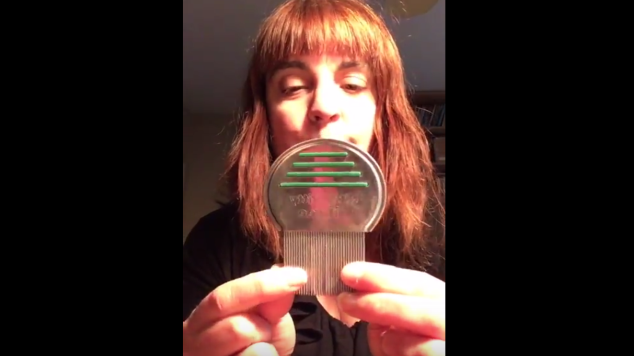
Finding head lice in your child’s hair is one of those parenting moments nobody enjoys — but it happens to almost every family at some point, usually more than once. Jill knows the feeling well. After discovering nits in her daughter’s hair, she put together her own honest, practical tips for getting rid of head lice for good (or at least until the next outbreak at school).
Watch Jill’s video below for her full step-by-step approach.
What Jill Learned Dealing With Head Lice
Head lice are stubborn, but they’re manageable once you know what actually works. Jill’s approach focuses on regular checking and thorough combing, rather than panic — because the reality is, lice are common and treatable, not a sign of anything being “wrong” at home.
A fine-tooth detection comb is the key tool here. Combing through wet, conditioned hair section by section makes it much easier to spot and remove lice and eggs than trying to check dry hair. Doing this regularly, even when you don’t suspect lice, helps you catch an outbreak early before it spreads.
Staying On Top of It
Because lice spread so easily between close contact — think shared hats, pillows, or just kids’ heads bumping together at school — one round of combing usually isn’t enough. Jill’s tip is to keep checking every few days for a couple of weeks after treatment, since eggs can hatch after the first comb-through.
Some parents find a leave-in spray helpful as part of their routine, alongside regular combing, to make hair less appealing to lice. As with any product, check current guidance and instructions before use, and speak to your pharmacist if you’re unsure what’s suitable for your child.
Tell the School
One of Jill’s key pieces of advice: always send a note to your child’s school or nursery if you find head lice. It’s not embarrassing — it’s common courtesy. If even one child in the class goes untreated, the lice will keep circulating, and you may well find yourself right back where you started a few weeks later. A quick heads-up to the school helps everyone stay on top of it together.
Frequently Asked Questions
How do I know if my child has head lice?
The clearest sign is finding live lice or their eggs (nits) when combing through the hair with a fine-tooth comb, especially close to the scalp. Itching can be a sign too, but not every child with lice will scratch, so regular combing checks are the most reliable way to catch it early.
What’s the best way to remove head lice?
Wet combing with a good-quality, fine-tooth detection comb through conditioned hair is one of the most effective and widely recommended methods. Go section by section and wipe the comb after each pass so you can see what you’re removing.
How often should I check for head lice?
Checking once a week as a general habit is a good routine for most families, and more often if there’s a known case in your child’s class or if your child has been scratching their head.
Should I tell the school if my child has head lice?
Yes. A quick note to the school or nursery helps them alert other parents so everyone can check and treat at the same time. This reduces the chances of lice bouncing back and forth between classmates.
Can head lice come back after treatment?
Yes, easily — especially if not every affected child in a class or friend group is treated at the same time. Repeating the comb-through over a couple of weeks helps catch any newly hatched lice.
Related Articles
- Tips from Parents on Getting Rid of Head Lice
- Handy Hairstyles to Prevent Lice and Nits Taking Hold
Save These Tips for Later
Head lice have a habit of turning up again just when you thought you’d seen the last of them. Bookmark this page or save it to your MyKidsTime favourites so Jill’s tips are easy to find next time the note comes home from school.
Want More Parenting Tips Like This?
Sign up for the free MyKidsTime newsletter for weekly parenting tips, family activity ideas, and practical advice sent straight to your inbox.
If you have your own tips for dealing with head lice, we’d love to hear them — share them in the comments below.