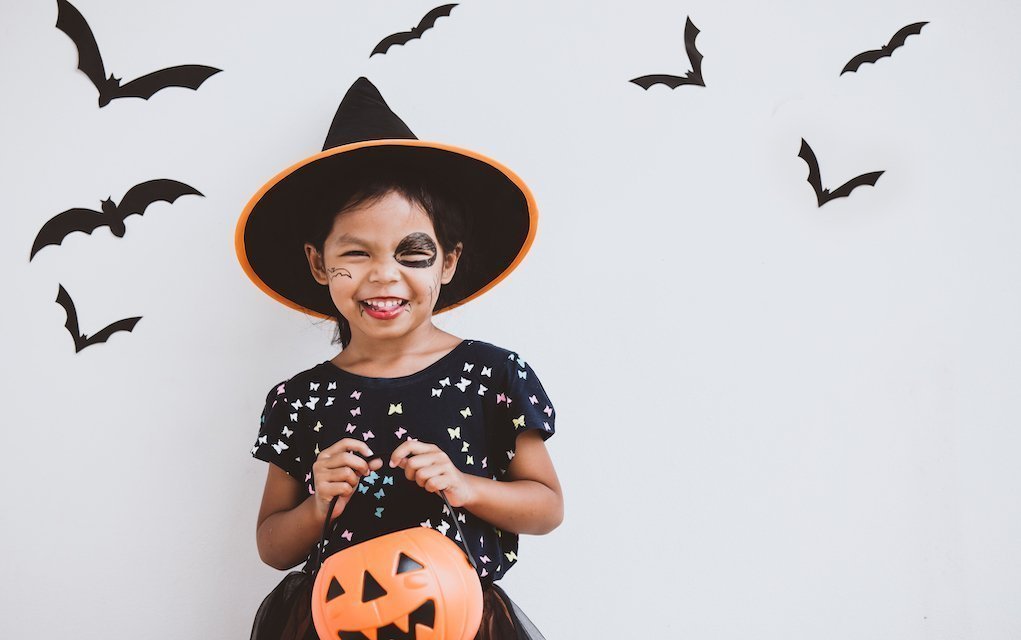
Halloween is one of the best nights of the year for kids — dressing up, trick-or-treating around the neighbourhood, and coming home with a bag bursting with sweets. It’s also, unfortunately, one of the toughest nights of the year for little teeth. Dr Paul O’Dwyer, group clinical advisor at Dental Care Ireland, shares six simple tricks to protect children’s teeth from treats this Halloween, so the fun doesn’t have to come with a trip to the dentist.
Many of the foods and drinks we indulge in over Halloween are particularly acidic, and can lead to erosion of tooth enamel. With a little advance planning, though, it’s entirely possible to avoid adding tooth decay or bad breath to your nightmare list — and still let everyone enjoy the treats.
How to Protect Children’s Teeth from Halloween Treats
#1. Wash Down Halloween Treats with Water
After the treats come out, encourage plenty of water to rinse away the sugar. Water helps dilute the acid attacks caused by sugary snacks, giving little mouths a chance to recover.
Where you can, try swapping some sweets and chocolate for Halloween-themed fruit instead. Watch out for fruit drinks and smoothies too — they can look healthy but are often surprisingly high in sugar, which is just as hard on teeth.
#2. Restrict Intake of Halloween Treats

Before your child dives into their treat bag, it’s worth going through it and setting aside the particularly sticky sweets.
Rather than letting kids graze on treats all day, try rationing them and offering a small amount as a dessert after a meal. Saliva production increases while eating, which helps rinse away sugary food particles and lowers the risk of cavities.
Before heading out trick-or-treating, it’s a good idea to make sure children have eaten a proper meal first.
#3. Beware of Hidden Sugars
How long sugary food lingers in the mouth makes a real difference to tooth decay. Treats that stick around — like hard candy canes or chewy, sticky sweets — tend to do the most damage.
Traditional treats like barmbrack are also high in dried fruit sugar and can stick to teeth, so keep those to a minimum too. Managing how often little ones snack matters just as much as what they’re eating.
#4. Be Fearful of Fangs

Watch out for Halloween costumes that could affect dental health, such as fake teeth or fang prosthetics.
Always read the packaging carefully to check for choking hazards. For younger children who are still losing baby teeth, it’s best to skip false teeth or fangs altogether, as they can risk knocking teeth loose too soon.
#5. Remember Your Routine
With more sugar and acid around than usual, sticking to the basic dental care routine matters even more over Halloween. Aim to brush twice a day for two minutes with fluoride toothpaste, floss daily, and keep the water topped up.
One handy tip: after eating something sugary or acidic, wait about 30 minutes before brushing. Acidic foods can soften enamel temporarily, so brushing straight away can actually do more harm while it’s still soft.
#6. Schedule an Annual Dental Exam

The mid-term break is a handy reminder to book in a family dental check-up if you haven’t already this year. Regular examinations and a solid cleaning routine are still the best way to prevent problems before they start, helping avoid unnecessary pain and bigger dental bills further down the line.
Dr Paul O’Dwyer BDS, MSc is group clinical advisor at Dental Care Ireland, an Irish-owned network of local dental practices nationwide.

Frequently Asked Questions
Should I let my child eat all their Halloween sweets in one go, or spread them out?
Neither extreme is ideal. Grazing on treats throughout the day keeps teeth under constant acid attack, but a single huge sugar hit isn’t great either. The best approach is to offer treats as a small dessert after a meal, when saliva production is naturally higher and better able to rinse sugar away.
How soon after eating sweets should my child brush their teeth?
Wait around 30 minutes rather than brushing immediately. Sugary and acidic treats can temporarily soften tooth enamel, so brushing straight away can do more harm than good. Rinsing with water in the meantime is a great interim step.
Are there any Halloween costume accessories I should avoid for the sake of my child’s teeth?
Yes — be cautious with fake teeth, fangs, or dental prosthetics, especially for younger children still losing baby teeth. Beyond the risk to teeth, always check labels for choking hazards too.
Is it worth booking a dental check-up around Halloween?
The mid-term break is a convenient time to fit one in if your child is due a check-up. Regular exams help catch small issues early, before they turn into bigger, more costly problems.
You Might Also Like
- Fang-Tastic Non-Candy and Healthy Halloween Treats to Hand Out
- 10 Practical and Effective Ways to Say No to Treats
- 10 Easy Healthy Snacks for Preschoolers They’ll Ask for Again
Save This for Later
Halloween moves fast once the doorbell starts ringing, so it’s worth bookmarking this one now. Save the article or share it with another parent before the trick-or-treating begins — future you will thank you.
Want More Ideas Like This?
Sign up for our free newsletter for more practical parenting tips, seasonal ideas, and family offers — straight to your inbox, no spam, and yes, it really is free.