
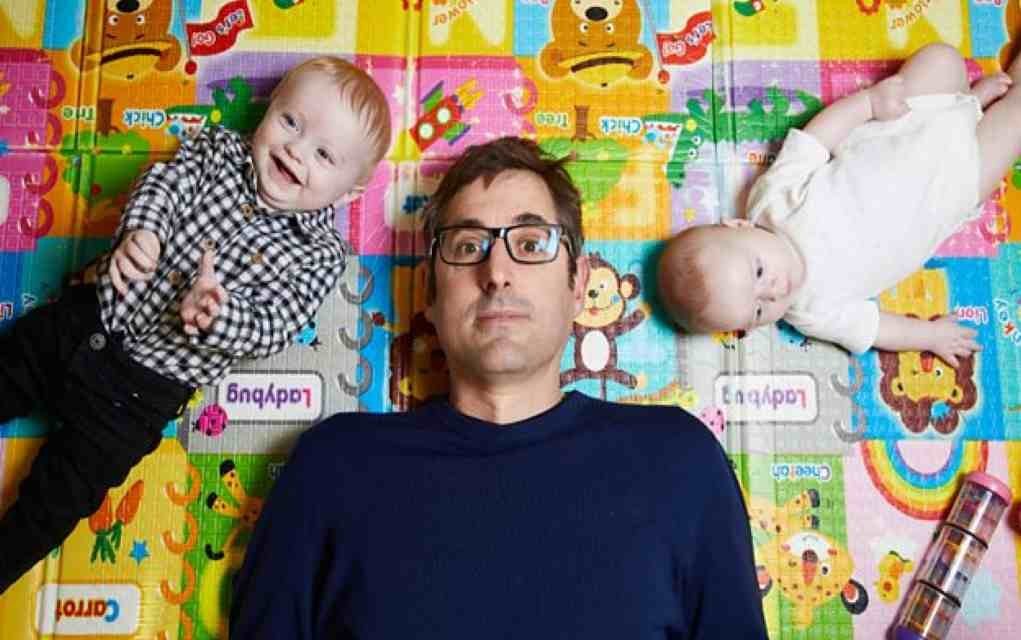
Society tends to paint pregnancy and new motherhood as a purely happy time. For many mums, though, it can also bring extreme stress and serious psychiatric difficulty. Award-winning documentary maker Louis Theroux turned his attention to this hidden side of new motherhood in Mothers on the Edge, a film looking closely at postpartum depression and mental health.
Mothers on the Edge follows Theroux as he immerses himself in two specialist psychiatric units that treat mothers experiencing a range of serious conditions, from depression and anxiety to psychosis. He meets the new mums and their families, following their stories as they are treated in hospital and as they recover at home.
Postpartum Depression and Mental Health

Mental illness triggered by giving birth or by the struggles of early motherhood is thought to affect around 1 in 10 mothers before their child’s first birthday.
In the hour-long documentary, Theroux visits two specialist psychiatric units in the UK where mothers live with their babies while undergoing treatment.
“The women we featured in this film took a huge leap of faith in opening up and speaking to me,” says Theroux.
On the wards, he meets women who have been admitted with a range of serious conditions – including postnatal depression, anxiety and psychosis – often triggered by birth or the strains of motherhood. As he follows the patients and their families, both in hospital and recovering back at home, Theroux explores what lies behind their crisis and shows the immense challenge of caring for two people during one of the most vulnerable periods of their lives.
Theroux says: “Postpartum mental illness, like many aspects of mental health, is all too common and not acknowledged enough. We as a society do so much to celebrate new motherhood and to romanticise the relationship between new mothers and their babies, for understandable reasons.
“But the sad fact is, for many mums, their experience of having a baby is traumatic and they don’t experience Hallmark Card feelings of love. The women we featured in this film took a huge leap of faith in opening up and speaking to me.
“They bared a great deal of their souls and risked the judgement of less understanding elements of society. Their bravery and candour is awe-inspiring, and it was a privilege to be invited into their families during a most vulnerable period in their lives.”
Theroux hoped the film would help normalise postpartum mental illness and open up discussion on how best to support mothers at the time they need it most. Mothers on the Edge first aired on BBC2 in 2019 and remains a powerful, honest watch for anyone who wants to understand what postpartum mental illness can really look like.
If you or someone you know is struggling with feelings of depression, anxiety or overwhelm after having a baby, it’s always worth talking to a GP, public health nurse or health visitor. Reaching out early can make a real difference.

Frequently Asked Questions
What is Mothers on the Edge about?
It’s a documentary by Louis Theroux that follows mothers being treated in specialist psychiatric units for serious postpartum mental health conditions, including depression, anxiety and psychosis.
How common is postpartum depression?
Mental illness linked to childbirth or early motherhood is thought to affect around 1 in 10 mothers before their child’s first birthday, though experiences and severity vary widely.
Is postpartum depression the same as psychosis?
No. Postpartum depression, anxiety and postpartum psychosis are different conditions with different levels of severity. Psychosis is rarer and more serious, and both require professional support.
Where can I get support for postpartum mental health concerns?
A GP, public health nurse, health visitor or midwife is a good first point of contact. They can advise on the right support and, where needed, refer to specialist mental health services.
You May Also Enjoy
How Counselling Can Really Help Postnatal Depression
Looking for more honest, supportive reads on parenting and mental health? Browse our family life section for more real stories and practical advice from other parents.
Don’t Miss Out
Want more parenting stories, ideas and support delivered straight to your inbox? Sign up for our free newsletter for weekly ideas, competitions and offers — it only takes a minute, and it’s completely free.