Is your child a team player? Do they happily pitch in with chores at home, play inclusively with friends, and show empathy for others? Or are they always angling to be the star of the show? Learning that there’s no “I” in TEAM is one of the most useful lessons a child can learn — and parents play a big part in teaching it.
Here’s how to raise a good team player, with a little help from the world of football.
A True Team Player Is a Cog in the Machine
Former France captain Didier Deschamps is a useful example. As a player, he won the World Cup and the European Championship, captained his country, and lifted the Champions League with Marseille, along with silverware at Juventus and Chelsea. Yet he’s often remembered for a comment made by Eric Cantona back in 1996, who described Deschamps as the “Water Carrier” — someone whose job was simply to win the ball back and pass it on to more gifted teammates. The label stuck, but it wasn’t really an insult. Deschamps understood his role, played it brilliantly, and helped the players around him shine.
That’s the essence of a true team player: someone who accepts their role as one part of a bigger machine, with every part equally important. You’ll find these players in sports teams, in workplaces, at school, and at parent association meetings. There are always people who love giving the big speeches and taking the credit — but they depend entirely on the organised, diligent people quietly doing the essential work behind the scenes, like stacking chairs or putting up signs.
So how do you raise a team player without making your child feel like they’re “just” making up the numbers? And if your child is the naturally gifted one, how do you help them appreciate the teammates around them?
Tips on How to Raise a Good Team Player
Some children will always prefer to plough their own furrow, but most learn teamwork through everyday experience. Here are some simple ways parents can help that learning along.
#1. Teach Them to Work Together at Home
A child with brothers and sisters gets built-in practice at teamwork, sharing jobs, toys and your attention. If you have an only child, look for ways to do things together rather than doing everything for them — even small joint tasks build the habit of working with, rather than around, other people.
#2. Ensure They Do Chores
Even from a young age, involve your child in jobs around the house. Toddlers can learn to tidy away toys after playing, and you can build a simple list of age-appropriate daily jobs as your child grows. Explain that everyone in the family pulls together to keep the household running. Changing the list up now and then keeps it from feeling like a chore in the negative sense.
#3. Teach Them to Share
Whether at school, at nursery, or at home, learning to share is one of the earliest building blocks of teamwork. Sharing experiences, knowledge or work all help a child feel more confident in their own abilities and more comfortable being part of a team.
#4. Play Team Games at Home
Games and role play that get kids working together are always worth the effort. One simple option: the first child writes a line or two of a story, folds the page to hide all but the last line, and passes it on for the next child to continue — nobody knows the full story until it’s read aloud at the end, and the results are usually hilarious.
Putting on a show together works well too. Children quickly discover they can’t all play the lead, and with a little gentle guidance from you, they’ll learn to take turns in different roles.
For more ideas, see our roundup of 20 Great Childhood Games.
#5. Involve Them in Extracurricular Team Activities
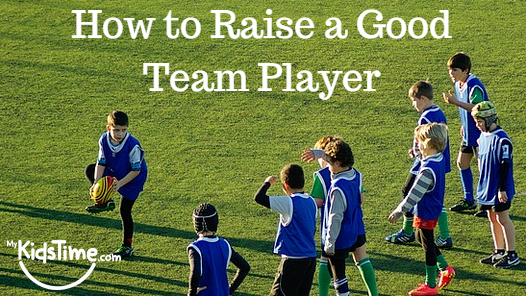
Any team-based activity outside school helps embed teamwork — from sports to Scouts and Guides, most involve some form of team building. Spending time with other children in a fun, team-focused setting from an early age is genuinely valuable.
You might also like our articles on Football and Rugby for Kids.
#6. Teach Them Everyone Is Unique
Group activities at school and on the sports field naturally sort children into leaders and followers, into thinkers and doers, into the naturally talented and those who work hard for every bit of progress. Children who learn early to recognise where they fit — and to value the different strengths of others — are the ones who go on to become genuinely valuable team members.
Just like Didier Deschamps, one of France’s most decorated footballers, who built an entire career on knowing exactly what his team needed from him.
Frequently Asked Questions
At what age should I start teaching my child teamwork skills?
It’s never too early. Even toddlers can start learning simple cooperation, like tidying toys together or taking turns, and these small habits build the foundation for teamwork later on.
My child always wants to be the leader — is that a problem?
Not at all, but it’s worth gently helping natural leaders understand that every team also needs people who support, organise and do the less glamorous work. Balance comes with practice and experience.
What if my child prefers playing alone?
That’s completely normal, and some children take longer to warm to group activities. Low-pressure opportunities, like simple games at home or short spells in a club they enjoy, can help build confidence gradually.
Do team sports matter more than other activities for building teamwork?
Not necessarily. Drama groups, Scouts and Guides, group projects, and even everyday chores at home all build the same underlying skills of cooperation, patience and shared responsibility.
Related Articles
- 20 Great Childhood Games
- Football – “The Beautiful Game”
- Rugby for Kids
Save This for Later
Building teamwork skills takes time, so there’s no rush. Bookmark this article or save it to your favourite parenting folder so you can come back to these tips whenever you need a reminder.
Want More Ideas Like This?
Sign up to our newsletter for a weekly dose of practical parenting tips, activity ideas and family inspiration, straight to your inbox.