
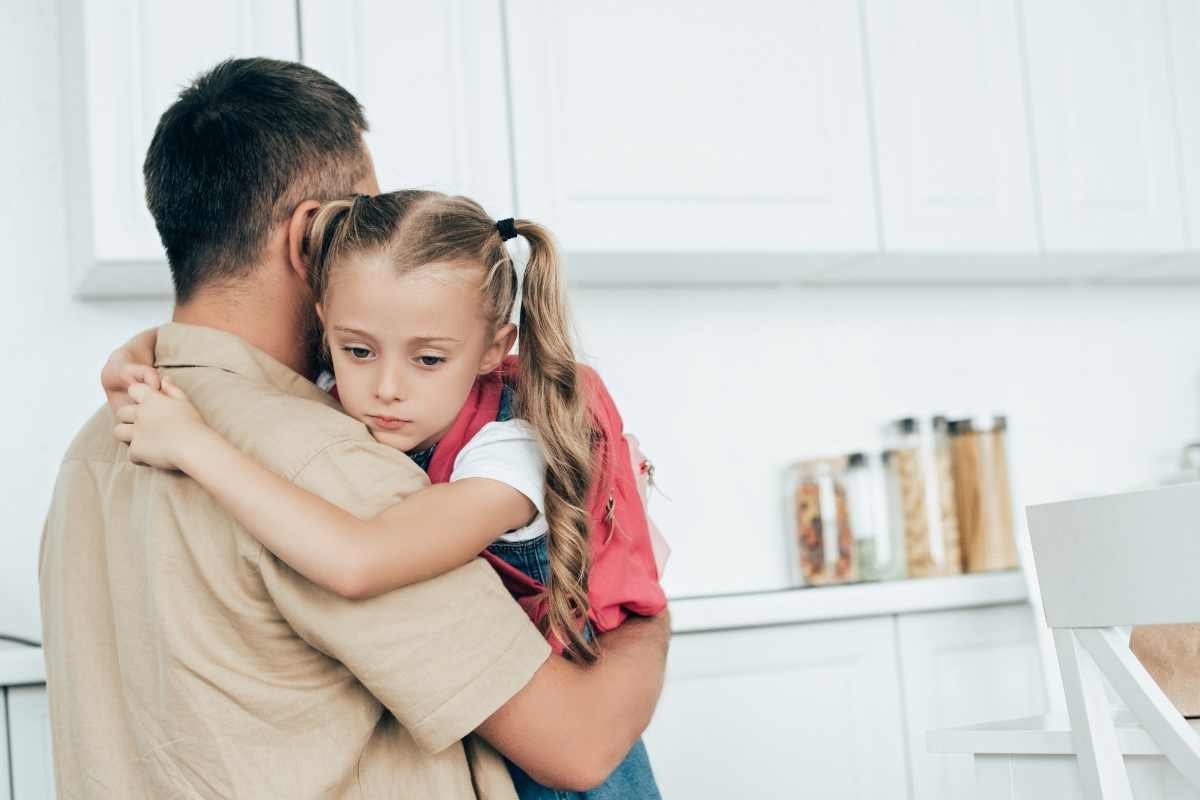
“I don’t want to go to school!” Four words that can make a parent’s stomach do a somersault — part fire, part cold jelly. We know children have to go to school. So what do we do in the moment when they’re refusing, upset, or dreading the day ahead?
The good news is that most parents make the same handful of mistakes when this happens — and they’re easy to avoid once you know what they are. Here are 9 pitfalls to avoid when your child doesn’t want to go to school, and what to do instead.
Sign up for our free newsletter for more ideas, competitions and offers for parents. It’s free, and we’d love it if you shared this with family and friends who might find it useful.
When Your Child Doesn’t Want to Go to School
#1. Don’t ignore your child’s comment
If you brush past what your child is telling you, how will they build confidence that you’ll be there for them when they face other challenges? A simple “I don’t want to go to school” deserves a moment of your attention, not a rushed dismissal on the way out the door.
#2. Don’t negate his experience
Sometimes a parent reacts with a comment like, “But you love school.”
Imagine if you were having a tough time at work and, when you tried to share it with your partner, they replied, “But you love your job.” It doesn’t feel supportive — it feels like being told your feelings are wrong.
#3. Don’t trivialise his comment
You might be tempted to say something like, “Going to school is no big deal.”
Your child won’t be able to process what they’re feeling if they don’t feel understood. Even small worries feel big to a child, and minimising them can shut down the conversation before it’s started.
You may also enjoy: 5 Practical Tips to Help Overcome Anxiety in Kids
#4. Don’t blow the issue out of proportion
“He’s unhappy at school. He’s going to fail. He’ll never cope and he’ll end up a drop-out.”
It’s easy to let your thoughts run away with you — and once that happens, it’s hard to stay emotionally present for your child during this “I don’t want to go to school” phase. Try to avoid imagining the worst-case scenario. Your child needs you to respond calmly, not to add extra tension or anxiety to the situation.

#5. Don’t generalise
A comment like “Everybody has to go to school” doesn’t help much. It’s a bit like your partner saying, “Everybody has to go to work.” It might be true, but pointing out that everyone else copes doesn’t ease your child’s unhappiness in that moment.
#6. Don’t compare
Saying something like, “Your little sister goes to school too, and she isn’t complaining,” can create tension between siblings without solving anything.
If it’s an issue for your child, it’s an issue — full stop.
You may also enjoy: 7 Useful Tips on How to Build Self-Esteem in Your Child
#7. Don’t shame
“Look at you! Ten years old and whining like a baby.”
It’s tempting to think your child needs to “toughen up.” But they’re only a child — and neuroscience tells us that when we’re upset, the “fight or flight” part of the brain takes over, temporarily switching off the thinking brain. Shaming or belittling a child only increases this stress response, making them even less able to think through the issue or concentrate at school. Adding shame to the mix makes it harder, not easier, for your child to reach a calm, reasoning state of mind.
#8. Don’t bribe
It’s easy to try to smooth over the moment with a treat: “Go to school without any fuss and I’ll buy you…”
It seems like a simple fix, but it trains children to ignore their own instincts in exchange for a reward. And rewarding the complaining teaches them to keep complaining — why wouldn’t they, if it gets results?
#9. Don’t give in
You might be tempted to avoid the upset altogether by letting your child stay home. But all of us face things in life that we don’t find easy, and school mornings are no different. What matters is giving your child the support they need to get through this uneasy period — not removing the challenge altogether.
What Can You Do to Help?
First, work on staying calm yourself. The strongest emotion in the room tends to win — so your calm needs to outweigh your child’s upset. That way, they’re naturally drawn toward letting go of the strong emotion, and can start thinking clearly about what’s actually going on.
As a parent, it also helps to build your listening skills, so your child feels able to talk to you about what’s really happening. Sometimes it’s as simple as the Monday morning blues or a falling-out with a friend. Other times it might be something bigger — a lack of confidence in a particular situation, or something more serious like bullying. Learning to listen deeply is often the key to understanding what your child needs from you.
You may also enjoy: When Your Child is Anxious About Starting School

Frequently Asked Questions
Why doesn’t my child want to go to school?
There can be many reasons, from small everyday worries like tiredness or a disagreement with a friend, to bigger issues such as a lack of confidence or difficulties with a teacher or classmates. Calmly listening to your child is usually the best first step to understanding what’s behind it.
Should I let my child stay home if they don’t want to go to school?
Occasional flexibility for genuine illness or a particularly hard day is understandable, but making a habit of staying home doesn’t help your child build the resilience they need to face difficult days. Support them through the challenge rather than removing it.
How can I stay calm when my child is upset about school?
Try to notice your own reaction before you respond. A calm, steady presence helps your child feel safe enough to explain what’s really going on, rather than escalating the emotion in the room.
When should I be concerned that my child’s reluctance to go to school is something more serious?
If the reluctance is ongoing, intense, or accompanied by signs of distress, it’s worth talking to your child’s teacher or school, and considering whether professional support could help. Trust your instincts as a parent.
Related Reading
- 5 Practical Tips to Help Overcome Anxiety in Kids
- 7 Useful Tips on How to Build Self-Esteem in Your Child
- When Your Child is Anxious About Starting School
Don’t Miss Our Weekly Ideas
Want more practical parenting tips like these, straight to your inbox? Sign up for our free newsletter for weekly ideas, family activities and offers — no spam, just useful stuff for busy parents. And if you found this article helpful, do save it or share it with another parent who might need it.