
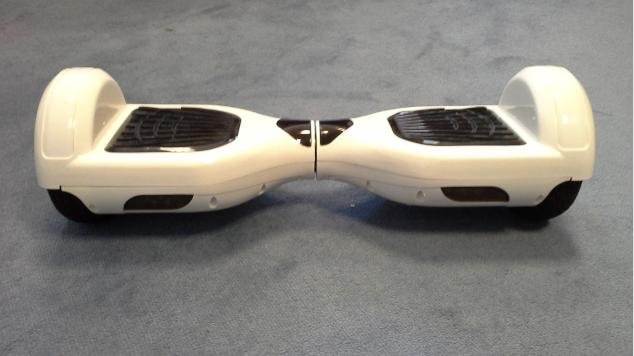
Balance scooters and hoverboards are a popular gift request year after year. If one is on your child’s wish list, it’s worth taking a few minutes before you buy to make sure what you’re getting is safe. These self-balancing, two-wheeled boards run on a rechargeable battery, and as with any electrical toy, a little care at the buying stage goes a long way.
In Ireland, the Competition and Consumer Protection Commission (CCPC) has previously taken action against unsafe hoverboards, including seizing units found to have plugs and chargers that didn’t meet required safety standards. It’s a useful reminder that not every hoverboard on sale is properly certified, and it’s worth checking before you hand over your money.
What to check before you buy
The CCPC recommends parents look out for the following before buying a hoverboard or balance scooter:
- Make sure the manufacturer’s name or trademark is visible on the packaging, and that the product displays the name and address of the manufacturer and/or importer.
 Make sure it has a genuine CE mark. This indicates that the product meets Irish and European safety standards.
- Always buy from a reputable retailer. If a fault does occur, the retailer is obliged under consumer law to offer a remedy.
- Read all safety instructions before letting your child use it, and make sure they understand basic safe use — including wearing a helmet and protective pads where appropriate.

The CCPC website has further information on hoverboard safety, as well as broader guidance on product safety and toy safety, which is worth a look if you want to double-check anything before you buy.
A few extra things to keep in mind
Beyond the official checks, it’s worth thinking about where and how the board will actually be used. Battery-powered boards need space to charge safely, ideally somewhere they can be left unattended without risk, and it’s sensible to follow the manufacturer’s charging instructions closely rather than leaving a board charging overnight unsupervised.
If you’re buying online, be extra cautious of listings with unusually low prices, no clear manufacturer details, or sellers you can’t easily identify — these are the products most likely to fall short on safety standards.
Frequently Asked Questions
Do all hoverboards sold in Ireland need a CE mark?
Yes. A genuine CE mark shows that the product meets Irish and European safety standards. If you can’t find one on the packaging or the product itself, it’s best to avoid that item.
Why does it matter where I buy a hoverboard?
Buying from a reputable, identifiable retailer means you have consumer law protections if something goes wrong. If a fault occurs, the retailer is obliged to offer a remedy — something you can’t rely on with an unclear or unidentifiable seller.
Are hoverboards safe for younger children?
Balance and coordination needed to use these boards safely tend to develop with age, so it’s worth reading the manufacturer’s recommended age guidance and safety instructions carefully before allowing a younger child to use one.
What should I do if I already own a hoverboard and I’m not sure it’s safe?
Check the packaging and the board itself for a genuine CE mark and manufacturer details. If either is missing, or you’re unsure, the CCPC website has guidance on what to check and how to report a safety concern.
Related articles
- How to Make Sure Your New Hoverboard is Genuine and Safe
- Toy Safety: A Guide for Parents
Looking for more gift ideas?
Not sure a hoverboard is the right fit? Browse our other gift guides and family activity ideas for more inspiration this Christmas.
Want more parenting tips like this?
Sign up to our newsletter for weekly ideas, safety tips, and things to do with the kids — straight to your inbox, no spam, just useful stuff.