
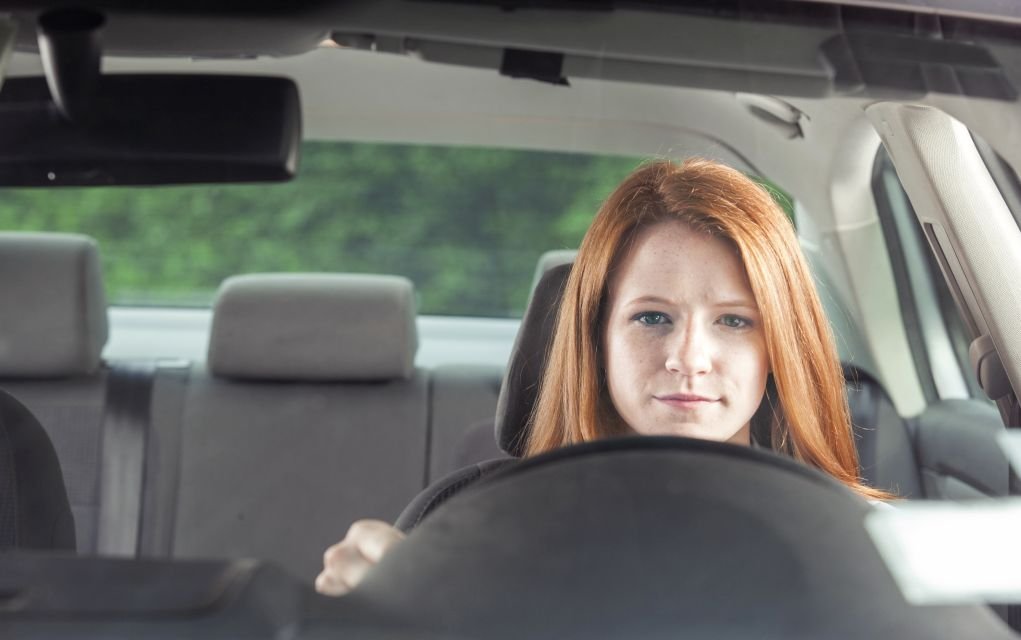
Is your teen about to start driving? Meghann Scully of the Marcus Scully Road Safety Awareness Campaign shares some tips on teenage driving to help parents through this milestone.
Sign up for our free newsletter for ideas, competitions and offers for your family. It’s free, and we’d love it if you shared this article with anyone else navigating the same stage with their teen.
Road deaths among young drivers remain a serious concern in Ireland, and young men in particular are over-represented in road collision statistics. That’s not a reason for despair — it’s a reason to prepare. You can’t wrap your teen in cotton wool forever, and the day will come when they take on the responsibility and independence of driving. What you can do is help them build the habits that keep them, and everyone else on the road, safe.
Here are some useful tips to help your teen become a safe, confident driver.
#1 The Lessons

Professional driving lessons are a required part of learning to drive in Ireland, and your teen should also learn the rules of the road before they get behind the wheel. Lessons with a qualified instructor are essential — but they’re not the whole picture.
Just because your son or daughter is taking lessons doesn’t mean they’re ready to “practise” alone in your car. If you do let them drive with you, a parent or experienced adult should be present every time, for as long as it takes for you to feel genuinely confident in their ability. Six months of supervised driving, across a range of road types and conditions, is a reasonable benchmark — it gives you the chance to see how they handle everything from motorway merges to wet country roads.
#2 The Car

Once your teen passes their test, it’s common for them to want a car of their own. If you buy them one, or hand over your own, keep accompanying them until you’re sure they know that particular car — teens get used to the instructor’s car, and a different vehicle can feel unfamiliar even to a competent driver.
Before the keys change hands permanently, it’s worth agreeing:
- How often, and for what purposes, they’ll have use of the car
- Who covers insurance, fuel, the NCT and any repairs
- What happens if there’s an accident or a driving offence
Make sure you have the right insurance cover in place. Many insurers offer specific young driver policies, and some include discounts linked to completed lessons, so it’s worth shopping around before you commit.
#3. The Passenger

Plenty of teens without a car of their own get lifts with friends who do. It’s well known that young drivers — often without meaning to — can speed or take risks to show off or prove themselves behind the wheel.
The independence of being a passenger can make it easy to just sit back and enjoy the ride. What matters is that your child knows they have a voice, and permission to use it. If a friend is driving too fast or taking risks, they should say so — every time, no matter how awkward it feels. It’s their life on the line too.
#4. The Friends

Once a teen has their own car, the temptation to pack it with friends and head off on adventures is real — and it’s part of the fun of newfound independence.
But it’s worth having a frank conversation about what’s actually at stake. Every passenger is someone else’s son or daughter. A single crash can affect an entire group of families at once, and it’s not uncommon for a driver to survive a collision that kills their friends. Talking through the potential consequences — grief, guilt, and even legal consequences — isn’t about scaring your teen unnecessarily. It’s about making the risks real before they’re ever tested.
#5 The Bad Habits
Everyone picks up bad habits over the years — most of us probably wouldn’t pass our test again if we sat it tomorrow. Start as you mean to go on with your teen. Every few weeks, ask them to drive you somewhere and watch how they’re doing. Are they still checking their mirrors, using indicators, keeping to the speed limit, and holding the wheel with both hands?
These small habits matter. Pointing them out early, calmly and without lecturing helps your teen keep the standards they learned in their lessons, long after the test is passed.
Some Useful Resources

Educating yourself on road safety and the rules of the road helps you have better, more informed conversations with your teen. A few useful starting points:
- The Road Safety Authority website has general road safety information as well as a dedicated section for Learner Drivers and a directory to help you find a driving instructor.
- The Rules of the Road website covers licensing, vehicle rules, driving rules and traffic signs.
- You’ll find information on the Driver Theory Test via the DTTS website, and on the practical driving test via the Road Safety Authority.
Meghann’s brother Marcus was travelling home from rugby training in Gort on 5th March 2005 when the car he was in was involved in a collision. Marcus sustained serious injuries and later died in hospital. Since then, Meghann has worked to keep his memory alive and to help prevent similar tragedies through the Marcus Scully Road Safety Campaign, which aims to educate people on road safety and to show that the loss suffered by families left behind doesn’t fade — it changes lives forever.
Frequently Asked Questions
At what age can teens start learning to drive in Ireland?
Learners can apply for a learner permit from age 17 for a car. Before driving unaccompanied, they need to complete the required lessons with an Approved Driving Instructor and pass the theory test.
How long should a parent supervise a new driver before letting them drive alone?
There’s no fixed legal minimum once a teen has passed their test, but many road safety advocates, including Meghann Scully, suggest continuing to accompany a new driver for several months across varied road and weather conditions before letting them drive fully independently.
What should I do if my teen is a passenger and feels unsafe?
Talk to them in advance about this possibility, and make it clear that speaking up — asking a friend to slow down, or asking to be dropped off — is always the right call, even if it feels awkward in the moment.
Does insurance cost more for teenage drivers?
Young driver insurance is typically more expensive due to inexperience on the road. It’s worth shopping around, as some insurers offer young driver policies with discounts tied to completed lessons or telematics-based “black box” tracking.
Where can I find the official rules of the road?
The Road Safety Authority and the Rules of the Road website (linked above) are the official Irish resources for licensing, driving rules and road safety guidance.
Related Articles
- Preparing Your Teen for Their First Part-Time Job
- Talking to Your Teen About Peer Pressure
- Family Car Safety: What Every Parent Should Know
Keep Exploring
Looking for more family life ideas and advice? Browse our full collection of parenting articles for practical tips on every stage, from toddlers to teens.
Never Miss an Update
Want more parenting tips like this delivered straight to your inbox? Sign up for our free weekly newsletter for ideas, advice and offers for your family — no spam, just useful stuff, and you can unsubscribe any time.