
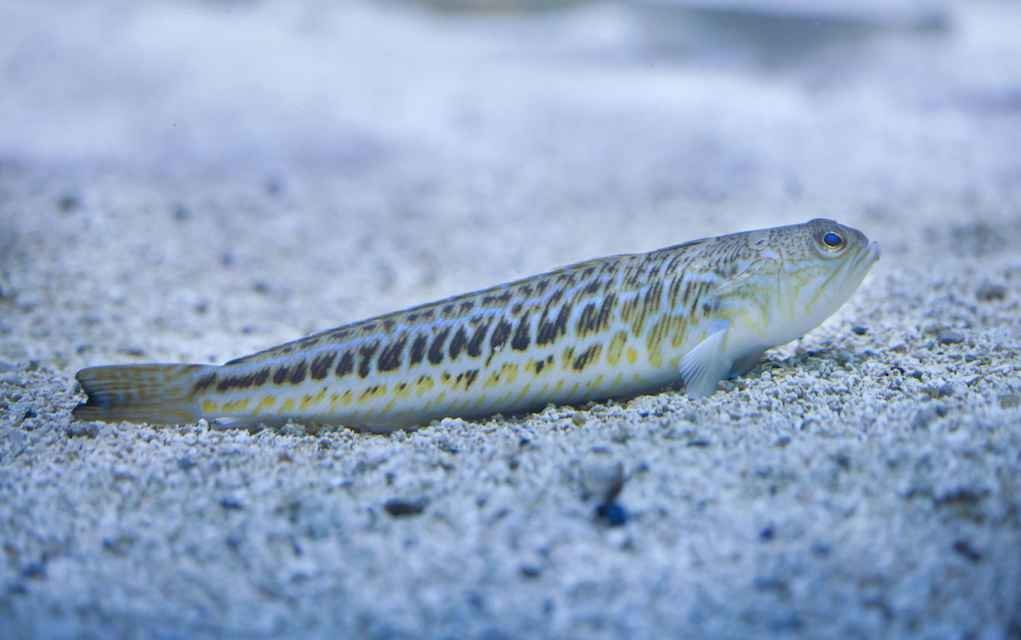
If you haven’t heard of weever fish before, they’re a small stinging fish that turns up close to shore on sandy beaches every summer. Don’t be fooled by their size — they can deliver a seriously painful sting, and a handful of people are hospitalised each year as a result. Here’s what to look out for, how to avoid them, and what to do if someone in your group gets stung.
These little fish are far from harmless. In rare cases, a weever fish sting can trigger anaphylactic shock. At a time of year when families are heading to the beach more often, it’s worth knowing about weever fish alongside other creatures — like Lion’s Mane jellyfish — that can turn a lovely day out into a trip to the first aid tent.
What makes weever fish worth knowing about is that they’re usually found in exactly the spot young children love to play: shallow water at the water’s edge.
What Is a Weever Fish?
Weever fish are commonly found in Irish and UK waters, but only in sandy areas — usually in warm, shallow water in the hour before and after low tide.
They’re hard to spot because they spend most of their time buried in the sand, camouflaged against it. They have sharp spines containing venom on their dorsal fin, and the sandy-coloured fish can grow up to about 15cm long.
Although they’re difficult to see, the venomous spine can protrude just above the sand and break off into a foot when someone steps on it. Standing on a weever fish results in an immediate, intense, burning pain. The pain is usually at its worst in the first two hours and can come with swelling, numbness and warmth in the area.
Avoiding Weever Fish at the Beach
 Image: © Fáilte Ireland
Always follow the guidance of lifeguards on duty. Where possible, it’s best to swim at a lifeguarded beach or waterway — a list is available at Water Safety Ireland — because lifeguards keep an eye on conditions and patrol on rescue boards to help spot and manage any risks to the public.
If you’re heading to a beach without a lifeguard, it helps to:
- Wear flip-flops or beach shoes when walking through shallow, low-tide areas.
- Avoid walking gently along the sand. Instead, make a bit of a commotion — stomp your feet and kick up the sand a little as you go. This gives weever fish warning of your approach, and they’ll usually swim off into deeper water.
- Avoid swimming in the hour either side of low tide, when weever fish are most likely to be close to shore.
What to Do If Someone Is Stung
A weever fish sting causes sudden, intense, burning pain, usually worst in the first couple of hours, and can bring swelling, numbness or warmth to the area.
If it happens on a lifeguarded beach, let the lifeguard know straight away — they’re trained first aiders and will be able to help and advise on next steps. If you’re at a beach without a lifeguard, or if the pain isn’t easing, seek medical attention, and get help quickly if there are any signs of a wider allergic reaction, such as swelling spreading beyond the sting site, difficulty breathing, or feeling unwell.

Frequently Asked Questions
What is a weever fish?
A small, sandy-coloured fish found in Irish and UK coastal waters. It buries itself in sand in shallow water near low tide and has venomous spines on its back.
Where are weever fish found?
In sandy areas of the coast, typically in warm, shallow water in the hour before and after low tide.
How can I avoid stepping on a weever fish?
Wear beach shoes in shallow water, shuffle or stomp your feet as you walk to warn them off, and avoid swimming in the hour either side of low tide. Always follow lifeguard advice where a beach is patrolled.
What does a weever fish sting feel like?
An immediate, intense, burning pain, usually most severe in the first two hours, sometimes with swelling, numbness or warmth around the sting.
Is a weever fish sting dangerous?
It’s very painful, and in rare cases it can lead to a more serious allergic reaction. If you’re at all concerned, or the pain isn’t easing, get medical help.
Related Reads
- Warning: Watch Out for Lion’s Mane Jellyfish at the Beach
- Ireland’s Blue Flag Beaches Are Perfect for Family Seaside Fun!
- 50 Interesting Things to Do at the Beach with Kids
- Do You Have the Essentials? Download Your Free First Aid Kit Checklist
Before Your Next Beach Trip
Keep this guide handy and share it with anyone heading to the beach with you this summer — a quick reminder before you set off can save a lot of discomfort later. For more ideas on making the most of beach days with the kids, browse our other outdoor adventure guides.
Don’t miss our best content straight to your inbox! Sign up now for our free newsletter, packed with fun ideas and things to do with the kids, family-friendly recipes, expert advice, parenting tips and great competitions.