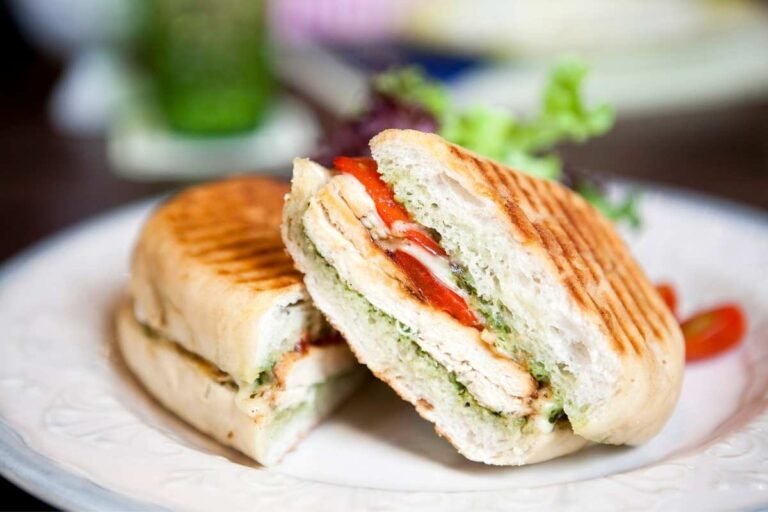

When kids spot treat foods, it’s hard to say no — and as parents, we all know how quickly a “just this once” can turn into an everyday habit. The key is knowing when a treat should really be a treat, and having some go-to healthy snack alternatives ready for the times it isn’t.
Here are 10 practical and effective ways to say no to treats.
Don’t miss our best content straight to your inbox! Sign up now and get our FREE newsletters packed with fun ideas and things to do with the kids, family-friendly recipes, expert advice, parenting tips and great competitions.
As parents, it’s easy to slip into little habits without realising it. Saying yes to a treat after school, or to get your child to do something, can quietly become an everyday routine before you know it.
One dentist’s advice that stuck with our family early on was to make Saturday the “sweets day” — it made a real difference, because our daughters knew not to ask for treats on any other day. But treats aren’t just sweets. Biscuits, crisps and other less healthy snacks count too, so it’s worth having a plan for saying no across the board.
You May Also Enjoy What Tooth-Friendly Snacks Would a Dentist Recommend?
Ways to Say No to Sweet Treats
#1. Think of the Long Term
Treat this as a long-term shift rather than a quick fix. If crisps, biscuits and other sugary snacks have become the norm, changing that will take a bit of gradual, steady effort rather than an overnight switch.
#2. Decide on Your Family’s Rules
Decide together what the house rule for treats will be — how often, and when. A simple treats diary can help you see how many treats your children currently eat, so you know where you’re starting from and where you’d like to get to.
In our house, Saturday is our treat day, when we relax the rules a little and the kids get to pick out sweets and enjoy them.
#3. Start Gradually

Don’t introduce too many strict rules all at once. Cut down on treat foods rather than banning them outright — an outright ban often just makes them more appealing.
Offer healthy alternatives like fruit or lower-sugar homemade snacks, and get your child involved in making them. Kids are often more excited to eat something they helped create.
You May Also Enjoy 10 Easy Healthy Snacks for Preschoolers They’ll Ask for Again
#4. Let Your Child Know What the Limits Are
Be clear about how often and how much, and explain why the new rules are in place. A simple chart on the fridge, or somewhere visible, helps everyone in the family stay on the same page.
#5. Be Firm
Stick to the limits as best you can. Picking one set treat day makes it easier to gently deflect requests on other days — a simple “not today, it’s not our treat day” goes a long way.
#6. Reduce the Amount of Treats You Have in the House
Try not to keep sugary or fatty snacks and drinks freely available at home. If they’re not there, they simply can’t be reached for.
You May Also Enjoy Do You Know How Much Sugar Per Day Your Child Should Eat?
#7. Say No in the Supermarket

Ask your kids to help pick out healthier options like rice cakes or fruit, and try to steer clear of the less healthy aisles where you can. Many supermarkets now offer treat-free checkouts, so look out for those to cut down on impulse buys at the till.
#8. Get Your Family and Friends on Board
Let family and friends know about the changes you’re making, especially anyone who helps look after your kids regularly. A consistent approach across the people in your child’s life makes new habits stick faster.
#9. Practise What You Preach
Children learn far more from watching us than from what we tell them. If your child sees you reaching for an apple and genuinely enjoying it, they’ll be far more likely to want to try one themselves.
#10. Try Some Non-Food Rewards
Motivate your children with non-food rewards instead. A jar filled with little reward ideas — like a trip to the park, extra story time, or a favourite game together — can work just as well as sweets or crisps, and builds happy memories along the way.
You May Also Enjoy 10 Quick & Easy Breakfast Smoothies for Kids

Frequently Asked Questions
Is it bad to say no to treats altogether?
Banning treats completely can sometimes make them feel more exciting and desirable to children. Most parents find that setting clear limits — rather than an outright ban — works better and is easier to stick to long term.
How do I stop my child asking for treats every day?
Consistency helps the most. Agreeing on set treat days, keeping fewer treats in the house, and having healthy alternatives ready to offer instead all make it easier for children to understand and accept the new routine.
What are some good non-food rewards for kids?
Simple things work well — extra playtime, choosing a family activity, a trip to the park, or a sticker chart building towards a small non-food treat. The idea is to shift the reward away from food and towards shared time or experiences.
Will my child eventually stop asking for sweets as often?
Most families find that with a consistent routine, children adjust their expectations over time and stop asking as frequently, especially once treat days become a normal, predictable part of the week.
You Might Also Like
- What Tooth-Friendly Snacks Would a Dentist Recommend?
- 10 Easy Healthy Snacks for Preschoolers They’ll Ask for Again
- Do You Know How Much Sugar Per Day Your Child Should Eat?
- 10 Quick & Easy Breakfast Smoothies for Kids
Enjoyed these tips? Save this article for the next time treat requests come up, and browse our family food section for more healthy snack ideas.