
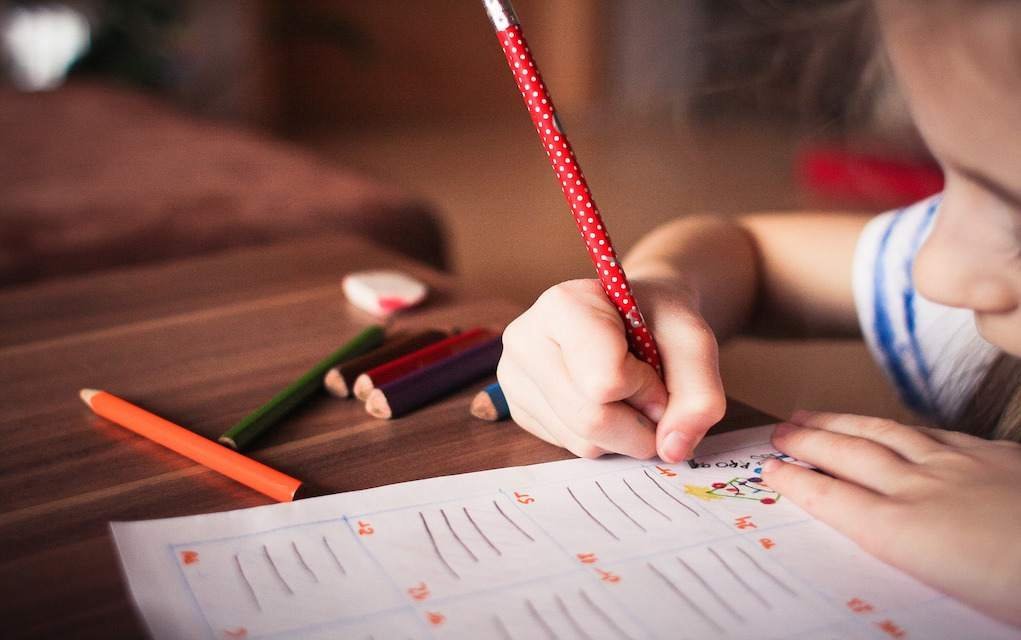
Writing is one of the most important skills your child will ever learn. It helps them express their feelings, communicate their thoughts, and builds a foundation they’ll rely on throughout their education. The good news is that you don’t need anything fancy to help — just a bit of encouragement, the right environment, and some fun ideas to keep them motivated. Here are 7 useful tips to help improve your child’s writing skills as they grow.
Tips to Improve Writing Skills
#1. Stock Up

Start by gathering everything your child needs to get excited about writing. Think plenty of paper (fun designs go a long way), a good stash of colourful pens and pencils, and even a pair of safety scissors so they can cut out favourite sentences or quotes to stick up around the house. Having the right supplies on hand makes writing feel like a treat rather than a chore.
#2. Create a Distraction-Free Zone

Writing can come naturally to us as adults, but it takes children much longer to build the skill — and that process gets a lot harder when there are distractions competing for their attention. Set up a quiet, phone-free, screen-free spot at home where your child can sit and focus. Even ten or fifteen minutes of distraction-free time can make a real difference.
You May Also Enjoy Help Your Child’s Reading Fluency With These 10 Top Tips
#3. Choose a Word of the Week
Vocabulary is a huge part of good writing, so giving your child new and interesting words to explore is a brilliant way to build their skills. Pick one or two words each week — something like “obstacles” or “revolve” works well, as these are concepts children can grasp fairly easily — and encourage them to weave the word into a short story or a sentence of their own.

#4. Educational Activities
Since writing plays such a big role in your child’s education, it’s worth building simple writing tasks into everyday learning activities. A great example is a simple science experiment — even something as easy as mixing baking soda and vinegar — followed by your child writing down what they observed. It turns writing into a natural, practical skill rather than a standalone lesson.
You May Also Enjoy Download Your FREE Fun Alphabet Scavenger Hunt for Kids
#5. Add Variety
Writing the same words or sentences over and over will bore any child quickly, so mix things up. Try short stories, poetry, letters to a family member, or even letting them write the weekly shopping list. Variety keeps writing feeling fresh and fun, and it’s a great way to build different writing skills without your child even noticing they’re “practising.”

#6. Celebrate the Art of Writing
Make writing something to celebrate at home. You could hold a family open mic night where everyone reads out their short stories, or set aside time each week to share what’s been written. Turning writing into a positive, shared activity makes children far more likely to enjoy it and stick with it.
#7. Practice What You Preach
Children love to look up to their parents and often copy what we do, whether they realise it or not — so use that to your advantage. Whenever you sit down to write something yourself, whether it’s a shopping list, a diary entry, or a crossword, let your child see you doing it. Invite their questions and let them join in if they want to. Seeing writing as a normal, everyday habit for the grown-ups around them helps children build the same habit themselves.
We hope these 7 tips help you find new ways to encourage your child’s writing — and give them a great head start for their education.
You May Also Enjoy These Reading Apps for Kids Can Help Develop Literacy Skills

Frequently Asked Questions
What age should a child start practising writing skills?
Most children start forming letters and simple words in early primary school, but you can build pre-writing skills much earlier through drawing, colouring, and simple mark-making. The tips above work well for primary school-aged children as they build confidence with sentences and short stories.
How much time should my child spend writing each day?
There’s no fixed rule — even short, regular sessions of ten to fifteen minutes are more effective than occasional long sessions. The key is consistency and keeping it enjoyable rather than treating it as a chore.
My child says writing is boring. How can I make it more fun?
Variety is the best fix. Mix up the format (stories, letters, lists, poems), tie writing into activities they already enjoy like science experiments or games, and celebrate what they write rather than focusing only on corrections.
Do I need special materials to help my child with writing at home?
No — basic paper and pens or pencils are all you really need. A quiet, distraction-free space matters more than any special equipment.
Related Articles
- Help Your Child’s Reading Fluency With These 10 Top Tips
- Download Your FREE Fun Alphabet Scavenger Hunt for Kids
- Simple Science Experiments for Kids to Try at Home
- These Reading Apps for Kids Can Help Develop Literacy Skills
Save This for Later
Not ready to try all seven tips today? Save this article or browse our other family learning ideas for more ways to keep your child engaged and building skills at home.
Don’t Miss Our Best Content
Sign up for our free newsletter and get fun ideas and things to do with the kids, family-friendly recipes, expert advice, parenting tips, and great competitions delivered straight to your inbox.