
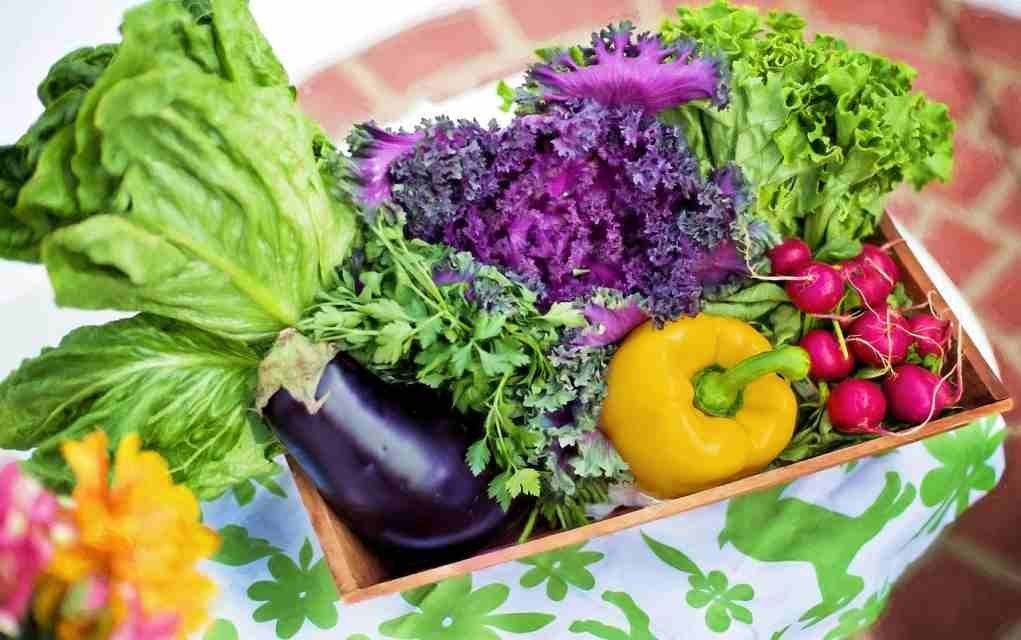
Today our supermarkets offer such a wide variety of fresh food that we’ve got into the habit of buying whatever we like, whenever we like. Strawberries in January or pineapple in November don’t seem unusual anymore — but do you actually know when fruits and vegetables are truly in season?
This seasonal food calendar will help you shop smarter – and save money.
YOU MAY ALSO ENJOY: Top Tips on Use By Dates And Avoiding Food Waste
Why is a Seasonal Food Calendar Important?
If you feel like you’ve lost touch with what fruit and veg are in season and when, Stop Food Waste has produced a handy seasonal food calendar you can check in on every month.
Eating food that’s locally produced and in season can reduce the overall environmental impact of what we eat. These days, large food producers can grow food all year round, which means what’s on the supermarket shelf isn’t always a good guide to what’s actually in season where you live.
That’s where a seasonal food calendar comes in handy — it tells you what’s genuinely in season each month.
And if you need more of an incentive, shopping seasonally can save you money too. So why does buying seasonally matter?
It Tastes Better
[[IMG:1]]
Fruit and vegetables that are in season tend to be fresher and taste better. Think about it — to get a particular fruit to supermarkets, given the picking-to-shipping-to-delivery time, it often needs to be harvested early and refrigerated on its journey. Sometimes it’s then artificially ripened once it arrives.
When you buy something naturally ripened and harvested at the right time, there’s simply more flavour. You’ll know this from tasting tomatoes on holiday somewhere they’re grown locally, like Spain or Italy.
You Know Its Provenance
When you buy locally and in season, you avoid relying on imported fruit or vegetables from other countries, which may have different rules around pesticides or hygiene standards.
It’s Better for the Environment
[[IMG:2]]
As we all try to make small changes that help with climate change, it’s worth thinking about what you’re buying, where it’s come from, and how far it’s travelled.
Many of us have never checked the origin of the apples in our trolley — but once you start looking, you might be surprised to see how far some travel, arriving from the other side of the world rather than being grown closer to home.
Buying locally and seasonally puts you more in touch with what’s actually growing nearby, helps cut down on food miles, and supports local farmers and businesses — a big bonus all round.
Waste is Reduced
Food produced and enjoyed locally has a shorter supply chain, meaning much less spoilage during transport. A lot of food is also wasted simply because it doesn’t meet a supermarket’s cosmetic standards.
By shopping locally, and even buying directly from producers, you get access to produce that supermarkets might not stock — like “wonky” fruit and vegetables that taste just as good.
YOU MAY ALSO ENJOY: 11 Proven Tips to Store Food and Cut Down On Waste
It’s Better for You
Fruit and vegetables grown and eaten in their proper season tend to be more nutritionally dense. In fact, research has shown that artificially ripened produce can be less nutritious than produce that’s ripened naturally.
It’s Cheaper
[[IMG:3]]
The title of this article promised you could save money by shopping seasonally — here’s the main reason why. When farmers are harvesting a large amount of a particular fruit or vegetable at its peak, the price drops. It doesn’t need to travel far or be stored for long, so those extra costs aren’t passed on to you.
Our grandparents used to pickle and preserve food to enjoy it beyond its season, and freezers make this even easier today. Buying seasonal produce while it’s cheap, then preserving, pickling or freezing it, means you’ll have it on hand for later — without paying higher prices out of season.
YOU MAY ALSO ENJOY: Seasonal Pumpkin Soup Recipe
Download This Seasonal Food Calendar
[[IMG:4]]
The Stop Food Waste seasonal food calendar tracks the growing season, so you’ll always know when it’s best to buy Irish produce. It has a page for each month in an easy calendar format, showing exactly what’s in season — colourful, simple, and handy to keep on the fridge.
You can find the current version of the calendar on the Stop Food Waste website, and hopefully this has inspired you to think a little more about buying seasonally and locally.
YOU MAY ALSO ENJOY: 21 Proven Tips and Tricks to Cut Your Food Bill in Half
[[IMG:5]]
Frequently Asked Questions
What is a seasonal food calendar?
It’s a simple month-by-month guide showing which fruits and vegetables are naturally in season, so you know what to look out for when you shop.
Why does seasonal food cost less?
When a crop is harvested at its peak, there’s more of it available, and it doesn’t need extra transport or storage costs — so the price naturally comes down.
Does buying seasonal produce really help the environment?
Yes — seasonal, locally grown food generally travels shorter distances and needs less artificial ripening or long-term storage, which reduces its overall environmental footprint.
Can I still eat my favourite fruits out of season?
Of course — but buying them in season (fresh or preserved by freezing, pickling or canning) tends to mean better flavour, better value, and often better nutrition.
Related Articles
- Top Tips on Use By Dates And Avoiding Food Waste
- 11 Proven Tips to Store Food and Cut Down On Waste
- Seasonal Pumpkin Soup Recipe
- 21 Proven Tips and Tricks to Cut Your Food Bill in Half
Save This for Later
Not ready to plan your seasonal shop today? Bookmark this article or save it to your favourites so you can check back each month for fresh ideas on what’s in season.
Get More Family Food Ideas
Want more simple, money-saving food tips delivered straight to your inbox? Sign up to the MyKidsTime newsletter for weekly ideas to help your family eat well and save money, without the hassle.