
If you have window blinds in your home, it’s worth knowing they can pose a real safety risk to young children. Cords and chains that look harmless can become a serious hazard for babies and toddlers, particularly under the age of three. Here are some straightforward window blind safety tips to help keep your children safe.
This information is intended as a guide only. Always contact your blind supplier or manufacturer with specific questions about the safety of your own blinds.
Young children can become entangled in the loop of cords and chains that operate window blinds. Keep cords out of reach, and move beds, cots and furniture away from windows so children can’t climb up to reach them.
Your home should be a place where your children feel safe and protected, but some dangers aren’t always obvious. The cords on window blinds and curtains are one of them. Babies and young children can be injured, or worse, by cord loops on roller blinds, venetian blinds or vertical blinds.
You might also find Toy Safety: a Guide for Parents useful
How Window Blind Accidents Happen
Small children can get tangled in hanging cords with loop ends. If they try to sit down, climb, or simply fall, there’s a risk the cord could catch around their neck.
These kinds of tragedies have happened both in Ireland and around the world. The good news is that making your curtains and blinds safer for children is cheap, quick, and easy to do.
Making Your Window Blinds Safe
Make your existing blinds safer by doing the following:
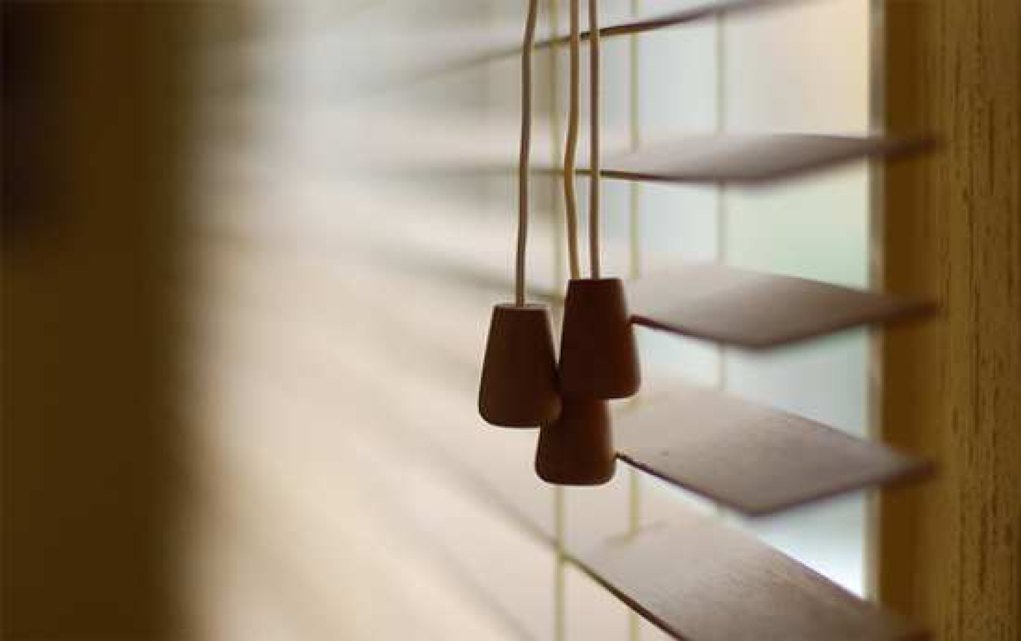
1. Cords ending in a loop are particularly risky. Cut the cord to get rid of the loop and install tassels instead.
2. Do not knot or tie the cut ends together — this simply creates a new loop a child could become tangled in.
3. The bottom of the cords should end at least 1.5 metres (4 feet 11 inches) above the ground, so children can’t reach them.
4. Replace cords with curtain or blind wands where possible, but keep these out of children’s reach too, to avoid the risk of eye injury.
5. Where cords can’t be cut, use a tie-down or tension device to pull the cord tight and secure it to the floor or wall. This is also a good solution for vertical blinds with continuous loop cords.
And remember:
- Never place a cot, bed, high chair or playpen near a window or patio door where a child could reach a curtain or blind cord.
- Keep sofas, chairs, tables, shelves or bookcases away from windows, so children can’t climb up to reach cords.
You might also find The Basic Essentials of First Aid useful

When Choosing New Blinds or Curtains
In Ireland, blinds and curtains should be manufactured to meet the relevant safety standard, which is designed to reduce the risks posed to young children by window blind cords.
When choosing new blinds, you should:
- Ask the retailer whether the blind meets the current safety standard for corded window coverings.
- Check for a safety warning notice on the blind.
- Make sure the product includes a safety device to keep the cord out of children’s reach, either supplied separately or built into the mechanism.
- Ask the supplier to show you how to use the product safely.
- Check that written instructions for assembly, safe installation, use and maintenance are included.
- Make sure whoever fits the blind follows the manufacturer’s instructions carefully.
- Once installed, continue to follow the precautions above.
Further information on window blind safety standards is available from the NSAI.
A Word of Caution
These tips can help protect your child from serious harm, but it’s important to know that no safety measure removes every risk. Always follow manufacturer safety instructions, and always keep window blind cords and parts well out of the reach of children.
Safety devices can reduce the risk of a child being caught in a cord, but nothing can be considered completely risk-proof. A few minutes checking your blinds today could make a real difference.
Frequently Asked Questions
At what age are children most at risk from blind cords?
Children under three are most at risk, as they’re mobile enough to reach cords but too young to understand the danger.
Can I make old blinds safe without replacing them?
Yes. Cutting off looped cords, fitting tassels, adding a tie-down or tension device, and keeping furniture away from windows can all make existing blinds much safer without buying new ones.
Do all new blinds come with safety features already fitted?
Blinds sold in Ireland should meet current safety standards, but it’s still worth asking the retailer to confirm and demonstrate the safety features before you buy.
Are curtain cords just as risky as blind cords?
Yes. Any looped cord within a child’s reach, whether on curtains or blinds, carries the same entanglement risk and should be treated the same way.
Related Articles
- Toy Safety: A Guide for Parents
- The Basic Essentials of First Aid
- Babyproofing Your Home: A Room-by-Room Guide
Keep More Ideas Like This Coming
Want more practical parenting tips, safety advice and family ideas delivered straight to your inbox? Sign up for the MyKidsTime newsletter for a weekly dose of things to do, expert advice and real-life parenting tips.