https://youtube.com/watch?v=C5EtTYQJWAU
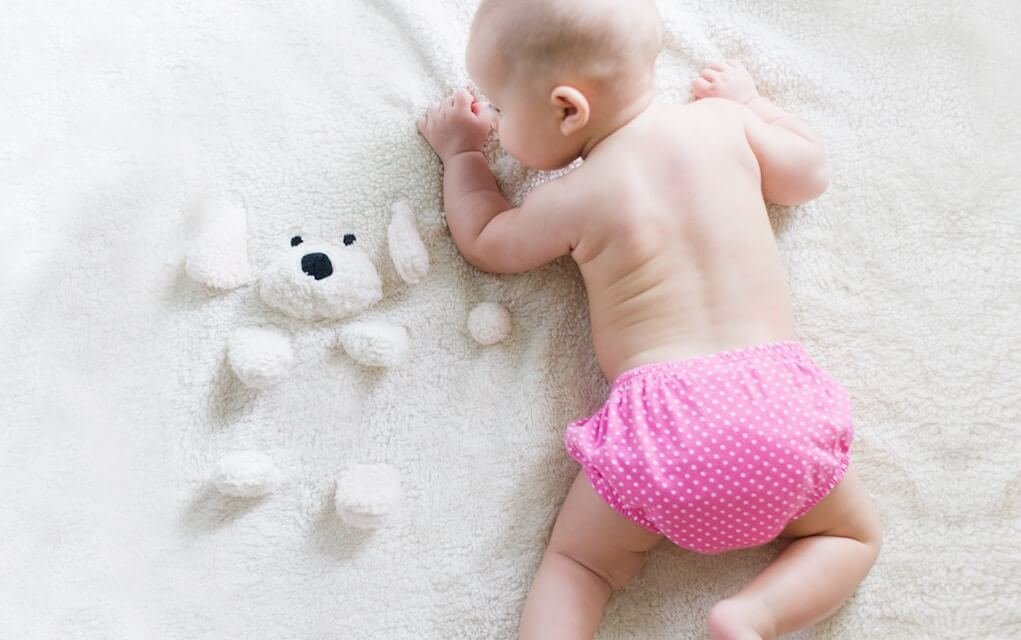
I’ve been a cloth bum mum for almost four years now, and — without sounding like a total weirdo — cloth nappies bring me genuine joy. The patterns, the prints, watching my kids toddle around with a little padded bum… it all makes me happy. That’s before you even get to the fact that I’ve kept thousands of nappies out of landfill, where they can take up to 500 years to decompose.
I started using cloth nappies when I was expecting my third child. I already had one baby in disposables and money was tight. I was planning to breastfeed and use hand-me-downs where I could, and I needed another way to save. Using cloth nappies turned out to be one of the best decisions I made.
At one point I had three babies in cloth at the same time. It was tough going for a while, but the rewards far outweighed the convenience of disposables, at least for our family.
If you’re just starting to think about making the switch, here are my top ten tips for using reusable cloth nappies with confidence.
You May Also Enjoy How to Survive the First 6 Weeks With A New Baby
Top Tips For Using Reusable Cloth Nappies

#1. Choosing Your Cloth Nappies
- All-in-ones (AIO) — These mirror disposables most closely, and I’d recommend them as a starting point if you’re new to cloth. They combine a waterproof outer layer, an absorbent soaker, and an inner layer in one piece, fastening with poppers or velcro and with snug elastic around the legs.
- All-in-twos (AI2) — These have a waterproof outer shell, similar to a nappy cover, with a separate insert that lies against your baby’s skin. Some inserts snap in; others tuck under flaps in the cover.
- Pocket nappies — These have a waterproof cover with a stay-dry lining that forms a pocket between the two layers. You stuff an absorbent insert or prefold into the pocket yourself.
- Prefolds — The old-school, budget-friendly option. Rectangular pieces of cotton sewn into three panels, with extra layers in the centre. They can be folded in different ways, and I still find them great for stuffing into pocket nappies.
- Fitted nappies — These don’t have a waterproof outer layer, so you’ll need a separate cover. They’re made from multiple absorbent layers, with elastic at the legs and back, fastening with poppers or hook-and-loop closures.
You May Also Enjoy What is Gut Health and Why is it So Important For Your Baby?
#2. Pre-Washing Is Essential
Always pre-wash new nappies several times before first use so they reach full absorbency. Follow the manufacturer’s washing instructions closely to keep them performing well for as long as possible.
#3. Wash With Care
Avoid bleach, bicarbonate of soda or vinegar on stains — over time these can damage the waterproof lining (PUL) and the elastic in your nappies.
Skip fabric conditioner too. It coats the fibres and stops the nappy absorbing properly.
You May Also Enjoy What Do You Need For a New Baby? Download Your Baby Checklist!
#4. Get Out in the Sun
Natural sunlight is your best friend here. Line drying saves on energy costs, and sunlight also helps lift stubborn stains out of cloth nappies naturally.

#5. Find a Routine
A dedicated nappy bucket for used nappies keeps smells at bay between wash days — a simple lidded plastic bin under the sink does the job perfectly well. You’ll also want a wet bag for outings; any waterproof bag will work for carrying used nappies while you’re out.
#6. Line Up Liners
Nappy liners aren’t essential, but they’re a big help for catching mess — especially in the early weeks — and they reduce staining too. Not all liners are flushable, so always check the packaging before disposing of one.
You May Also Enjoy 41 Reasons You Know You’re Mom to a New Baby
#7. Put It On Properly
Putting on a reusable cloth nappy is a different skill to reaching for a disposable. If you’re completely new to it, this video walkthrough on applying cloth nappies is genuinely useful.
#8. Try Before You Commit
If you’re not sure which nappies will suit your baby, Cloth Nappy Library Ireland is worth contacting. They offer trial kits and newborn loan kits so you can test different brands and find what works before investing in a full stash.
#9. Learn About Leaks
You shouldn’t get leaks with cloth nappies once you find your rhythm. If you are getting leaks, it’s usually one of these:
- the nappy hasn’t reached full absorbency yet
- it hasn’t been put on quite right
- your baby is simply a heavy wetter
- or it’s a compression leak (fabric pressed against fabric, forcing moisture out).
#10. Find the Right Size
If your baby is a heavy wetter, add an extra booster or change more often. Cloth nappies are a little bulkier than disposables, so going up a vest size can help with compression leaks — vest extenders are another option worth trying.
You May Also Enjoy Newborn Breastfeeding: Expert Advice For The First Few Days

Frequently Asked Questions
Are cloth nappies actually cheaper than disposables?
Over time, most families find cloth nappies work out cheaper, since you’re buying a stash once rather than continually repurchasing disposables. The upfront cost is higher, but it’s spread across however many children use the same nappies.
Do cloth nappies leak more than disposables?
Not if they’re fitted correctly and are fully absorbent. Leaks usually come down to fit, absorbency level, or a heavy-wetting baby needing an extra booster.
How often do I need to wash cloth nappies?
Most families wash every two to three days. A nappy bucket or dry pail helps manage odour and staining between washes.
Can I try cloth nappies before buying a full stash?
Yes. Organisations like Cloth Nappy Library Ireland offer trial and loan kits so you can test different styles on your own baby before committing to a full set.
What’s the easiest type of cloth nappy for a beginner?
All-in-ones (AIOs) are usually the easiest starting point, since they go on much like a disposable nappy.
You May Also Enjoy
- How to Survive the First 6 Weeks With A New Baby
- What is Gut Health and Why is it So Important For Your Baby?
- What Do You Need For a New Baby? Download Your Baby Checklist!
- Newborn Breastfeeding: Expert Advice For The First Few Days
Have you ever considered using cloth nappies, or do you have your own tips to share? Leave a comment below — we’d love to hear from you.
Want more practical baby and parenting ideas like this? Browse our other new baby guides and save your favourites for later.
Never miss an idea. Sign up for the MyKidsTime newsletter for weekly parenting tips, family activities, and practical advice straight to your inbox.