It’s completely natural to feel a little uneasy about your child’s safety from time to time, and to wonder how to talk to them about strangers without frightening them. The good news is that you don’t need scary stories to keep your child safe — clear, calm, age-appropriate conversations work best. Here are some trusted resources and tips to help you get started.
Helpful Resources for Talking About Stranger Danger
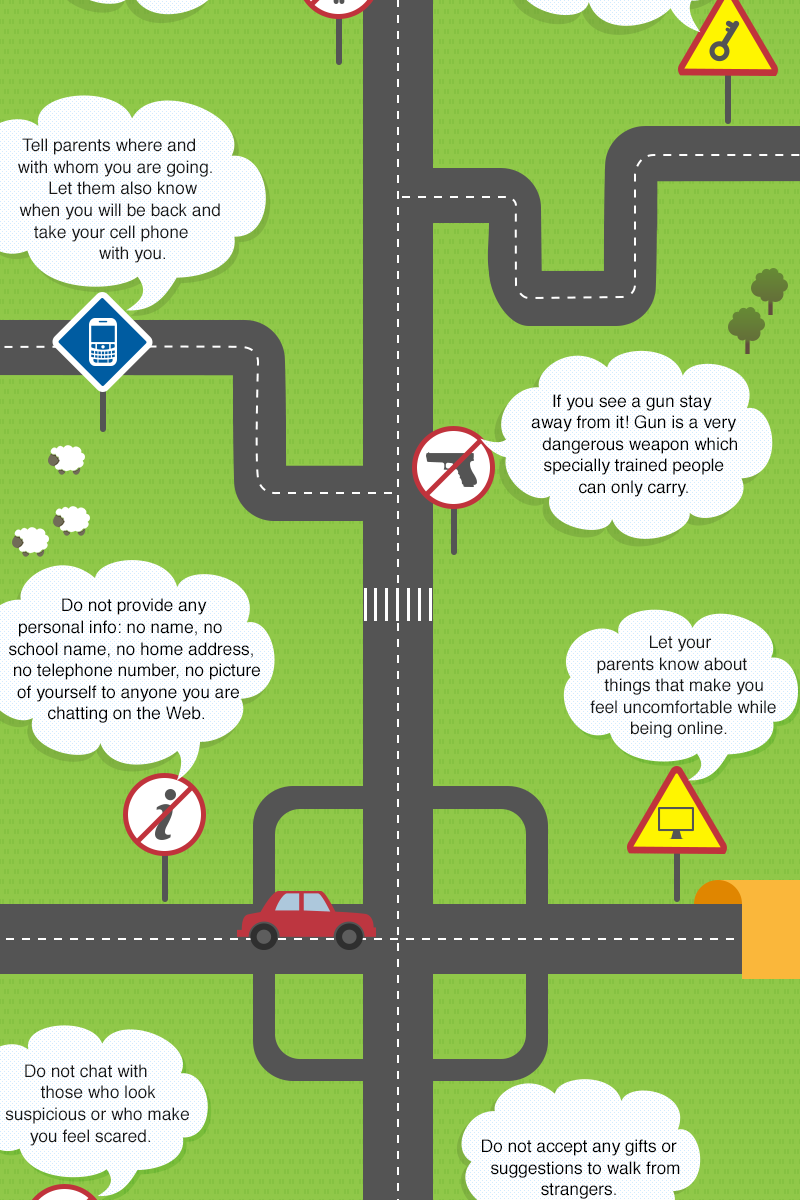
 This Kids Security Tips infographic gives some useful, easy-to-follow tips at a glance.
- “Stranger Danger: How can I teach safety without scaring my child?” — a helpful Q&A with psychotherapist Dr. John Sharry, who addresses a common parenting worry: how much should you actually tell your children about “stranger danger” without making them anxious?
- Raising Street-Smart Kids — kids naturally love playing outdoors, and this article looks at how to help them build street smarts and basic safety habits as they gain independence.
- What to Teach Kids About Strangers — from the National Crime Prevention Council, this piece reminds parents that most strangers children meet are perfectly ordinary, kind people, and offers guidance on teaching children to recognise suspicious behaviour rather than fearing all unfamiliar faces.
Teaching Body Safety: The Underwear Rule
The NSPCC’s Underwear Rule is a simple, non-scary way to help keep children safe from abuse. Talking to your child about their private parts can feel awkward, but you don’t need to use frightening language or bring up anything to do with sex. The PANTS approach is an easy, reassuring way to help children understand that their body belongs to them, and that they should always tell a trusted adult if something makes them feel scared or upset.
Keeping Kids Safe From Abuse
Sadly, child sexual abuse is far more common than most parents realise, and in the majority of cases the abuser is someone the child already knows and trusts. Many children who experience abuse never tell anyone. This is exactly why open, ongoing conversations about body safety and trusted adults matter so much. Blogger Tric from My Thoughts on a Page shares her own experience and advice in 10 Tips to Keep Kids Safe from Abuse, a practical read for any parent wanting to start these conversations at home.
Online Safety: Sharing Wisely
We often tell our children that sharing is good — but online, it’s a little different, and sometimes sharing the wrong thing can put a child at risk. This short video from the NSPCC, Be Share Aware, is a great starting point for talking to your child about internet safety.
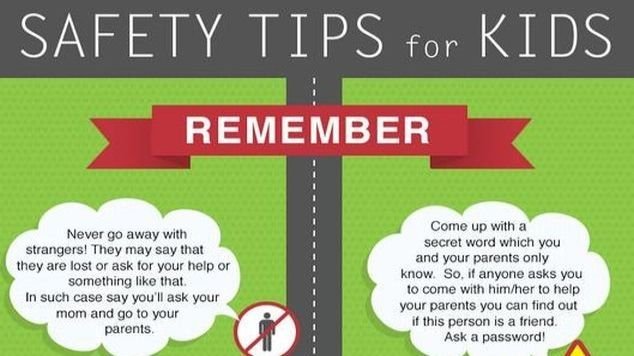
We also created this reminder for parents about the importance of agreeing a secret “safe word” or password with your child — something only your family knows, which a trusted adult could use to reassure your child in an emergency, and which a stranger would never know.

Frequently Asked Questions
What age should I start talking to my child about stranger danger?
There’s no single “right” age — you can start with very simple ideas from preschool age, such as knowing their full name and a parent’s phone number, and build on the conversation as your child grows and understands more.
How do I teach my child about safety without scaring them?
Keep the tone calm and matter-of-fact rather than frightening. Focus on what to do (find a trusted adult, use a safe word, tell a parent) rather than dwelling on worst-case scenarios. Short, repeated chats work better than one big, dramatic talk.
What is the Underwear Rule?
It’s the NSPCC’s simple framework (PANTS) for teaching young children that their body belongs to them, using everyday language rather than frightening or sexualised terms.
How can I help keep my child safe online?
Talk openly about what’s okay to share and what isn’t, keep devices in shared family spaces where possible, and revisit the conversation regularly as apps and platforms change.
What should I do if my child tells me something has worried or upset them?
Listen calmly, reassure them they’ve done the right thing by telling you, and avoid reacting in a way that might make them afraid to come to you again in future. Seek further support from a trusted professional if needed.
Related Reads
- 10 Tips to Keep Kids Safe from Abuse
- Watch: Be Share Aware — Internet Safety for Kids
Save This for Later
Every family’s conversations around safety look a little different — save this article so you can come back to it as your child grows, or share it with another parent who might find it useful.
Get More Parenting Tips Straight to Your Inbox
Want more practical, no-nonsense parenting advice delivered weekly? Sign up for our free newsletter for tips, ideas and resources to help you navigate everyday parenting — including topics like this one.
If you’ve talked to your child about handling strangers and have advice of your own to share, we’d love to hear it in the comments below.