The move from primary to secondary school is a big step for any child. A new building, a longer day, more subjects, more teachers, more homework – and possibly a class without any of their old friends in it. A little preparation goes a long way in helping your child feel confident rather than overwhelmed.
Here are our top tips to help your child with the transition to secondary school, especially during that all-important first year.
YOU MAY ALSO ENJOY: Download Our School Bag Checklist – Essentials Every Student Should Have in Their Schoolbag
Making the Transition to Secondary School

Children pick up on our anxieties, so try to stay relaxed about this new phase, even if you’re feeling nervous for them. Talk to them before they start, and listen to and address any worries they raise. It also helps to make time each day to chat about how school went – and share a bit about your own day too.
Many secondary schools assign your child a “buddy” from an older class to help them settle in. Remind them that everyone is in the same boat at the start – the school and the routine will be new to every first year, whether or not they came from the feeder primary school.
Be Prepared
Preparation is key to helping your child with the transition from primary to secondary school. In Ireland, secondary schools now provide core textbooks, workbooks and everyday classroom stationery through the free schoolbooks scheme, usually on a loan basis – the books belong to the school and are returned at the end of the year, so check your school’s booklist to see exactly what’s included and what your child still needs to bring themselves.
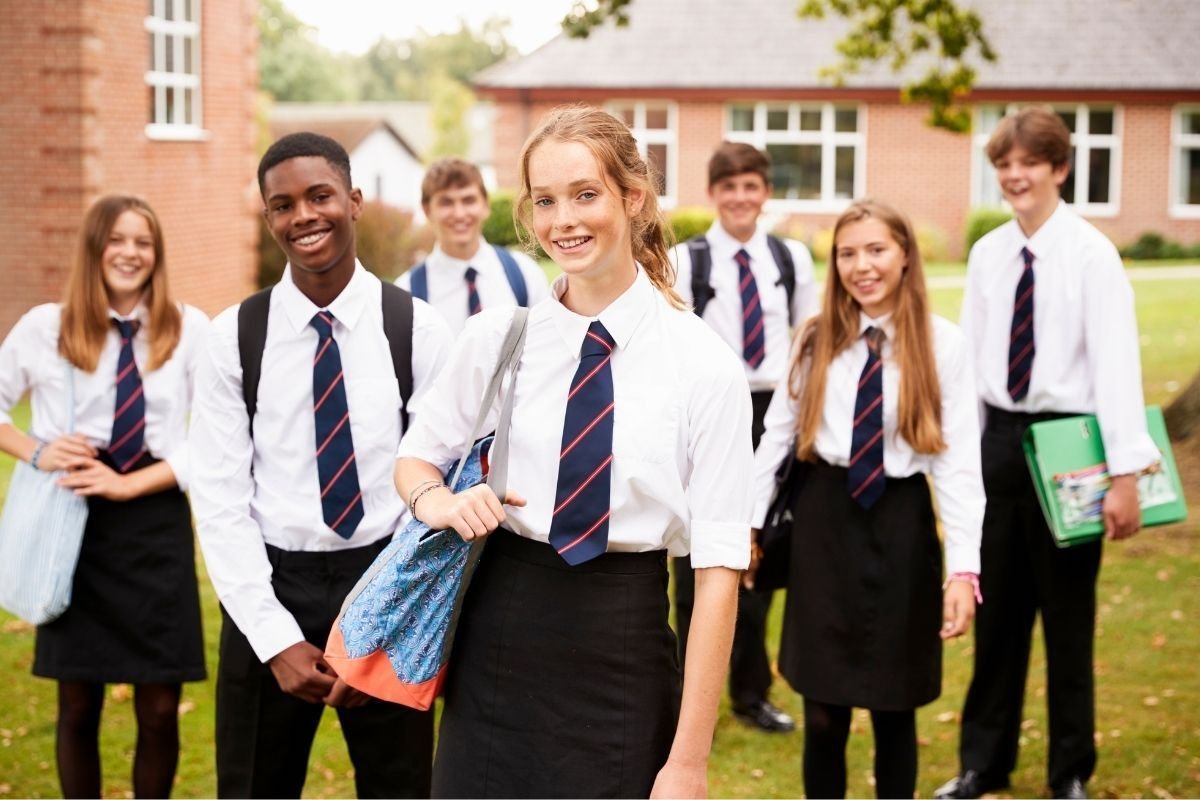
If your child’s school has a uniform, make sure they have everything they need for the first day too. They’ll feel far more relaxed knowing they’re prepared and ready to go.
Label everything. This tip comes from experience – they will lose at least one item of uniform each term, or end up with someone else’s jumper, lunchbox, jacket or book.
Another handy tip is to double up on uniform basics like trousers, skirts, jumpers, t-shirts and socks if you can. If items go missing or get damaged, replacements can be hard to source mid-year. While your child is still growing, buying the next size up as your “spare” set means you’ll have it ready for the following year if you don’t need it sooner.
Establish a Good Sleep Routine

A good sleep routine is vital for your child to stay alert and focused each day. The secondary school day is a big step up from primary, before you even factor in homework and study, including at weekends.
Build in some downtime to unwind before bed – reading, a bath or a favourite programme all work well. Children and teens of this age need at least 8-9 hours of uninterrupted sleep, so devices should ideally be switched off at least 30 minutes to an hour before bedtime.
Getting Ready for the Year Ahead
Beyond the books provided through school, families still tend to cover a few extras – things like a school bag, stationery for home use, a lunch box and water bottle, and any items specific to your child’s school. It’s worth checking your school’s list early, as popular items can be harder to find as the new term approaches.
If your child needs the Back to School Clothing and Footwear Allowance or wants to check current supports available in Ireland, the gov.ie website has the latest eligibility and payment details.
Nutrition – Fuel for the Brain
A good breakfast gives them the energy they need to face the day. Low-sugar, wholegrain, fruit and protein-packed options work best.
Lunch will look different in secondary school too. Many students have access to a canteen, and some schools allow pupils to leave the grounds at lunchtime to buy food nearby. If your child is opting out of a school meal or is at a secondary school without a hot meal option – or simply prefers to bring their own – a good lunch box, water bottle and a flask for warm food are worth having on hand.
If they go straight into study after school, pack a snack to bridge the gap between finishing school and starting homework. And once they’re home, try to sit down together to eat so everyone can catch up on their day.
Managing a Heavy Bag and Books

One thing many parents aren’t prepared for is just how heavy secondary school bags can get. A sturdy bag that fits well and distributes weight evenly makes a real difference.
If the school offers lockers, sign up for one – it saves your child from carrying every book to and from school each day. Label each book too; many students pick one page in every book to write their name on, using the same page number across all books, which makes lost books much easier to track down.
Most students get homework across several subjects each night, so books will need to travel home regularly. Some families keep a second copy of the heaviest textbooks – even second-hand – at home, so one copy can stay in school and one at home for homework and study.
A zipped wallet for each subject, holding the books and copies needed together, is another simple trick. With little time between classes, being able to grab one wallet rather than searching bag and locker saves valuable minutes.
Whatever your school’s booklist requires beyond the free schoolbooks scheme, look after loaned books carefully and return them as asked – post-primary schools may ask for a refundable deposit on certain items, which is returned once everything comes back in good condition.
Create a Space to Work
Your child will need a dedicated place to study at home, ideally somewhere with few distractions. Stock up on stationery for home use too – pens, pencils, highlighters, refill pads and notebooks – so everything is at hand when they sit down to work.
To make the space feel like theirs, involve your child in choosing the desk, chair and any personal touches.
Encourage Them to Sign Up for School Activities

Friends play a much bigger role as your child moves through secondary school, and starting without their old primary school friends can feel daunting. The friendships they build now often last for years, so it’s worth encouraging them to get involved early.
Every school runs clubs, teams and groups – from sport to debating, drama and beyond. Encourage your child to try a few. It’s a great way to meet like-minded classmates, make new friends, and discover an interest they might not have known they had.
Use the School Website or App
The school website or app is the easiest way to stay up to date with activities, holidays and other events. You can usually view school policies, download absence forms, and in many schools, pay for things like insurance or school trips online.
In primary school, notes about days off or staff meetings usually came home well in advance. Secondary school doesn’t always work the same way – your child may hear about an early finish or a staff meeting day but forget to mention it. The school website or app is the best place to check.
Support Your Child

This is a new phase for the whole family, and it will take a little time to settle into. From juggling deadlines and learning how to study, to having more freedom and more responsibility, there’s an adjustment period for both you and your child.
Make sure they know you’re there to support them, and the rest will follow.
YOU MAY ALSO ENJOY: Our Pick of the Best School Bags for Kids

Frequently Asked Questions
How can I help my child feel less anxious about starting secondary school?
Talk openly with them before the term starts, listen to their worries without dismissing them, and stay calm yourself – children pick up on parental anxiety. A daily chat about how their day went also helps them feel supported once school begins.
Do parents in Ireland still need to buy all the secondary school books?
Most secondary schools in Ireland now provide core textbooks, workbooks and everyday classroom stationery through the free schoolbooks scheme, usually on a loan basis. Books are returned at the end of the year, and some schools ask for a refundable deposit on certain items. Check your school’s booklist for anything not covered.
How much sleep does a first year secondary school student need?
Children and teens starting secondary school need at least 8-9 hours of uninterrupted sleep a night. A calm wind-down routine before bed, with devices off 30 minutes to an hour beforehand, helps them fall asleep more easily.
How can I stop my child’s school bag from being too heavy?
Choose a sturdy, well-fitting bag, make use of a school locker if one is available, and consider keeping a spare copy of the heaviest textbooks at home so books don’t need to travel back and forth every day.
Related Articles
- Download Our School Bag Checklist – Essentials Every Student Should Have in Their Schoolbag
- Our Pick of the Best School Bags for Kids
Before You Go
Starting secondary school is a big milestone, but with a little preparation and plenty of support, most children settle in faster than parents expect. Browse more of our school and learning articles for further ideas to help your family through the year ahead.
Want more tips like these delivered weekly? Sign up to the MyKidsTime newsletter for practical parenting ideas, school season tips, and family activity inspiration straight to your inbox.