
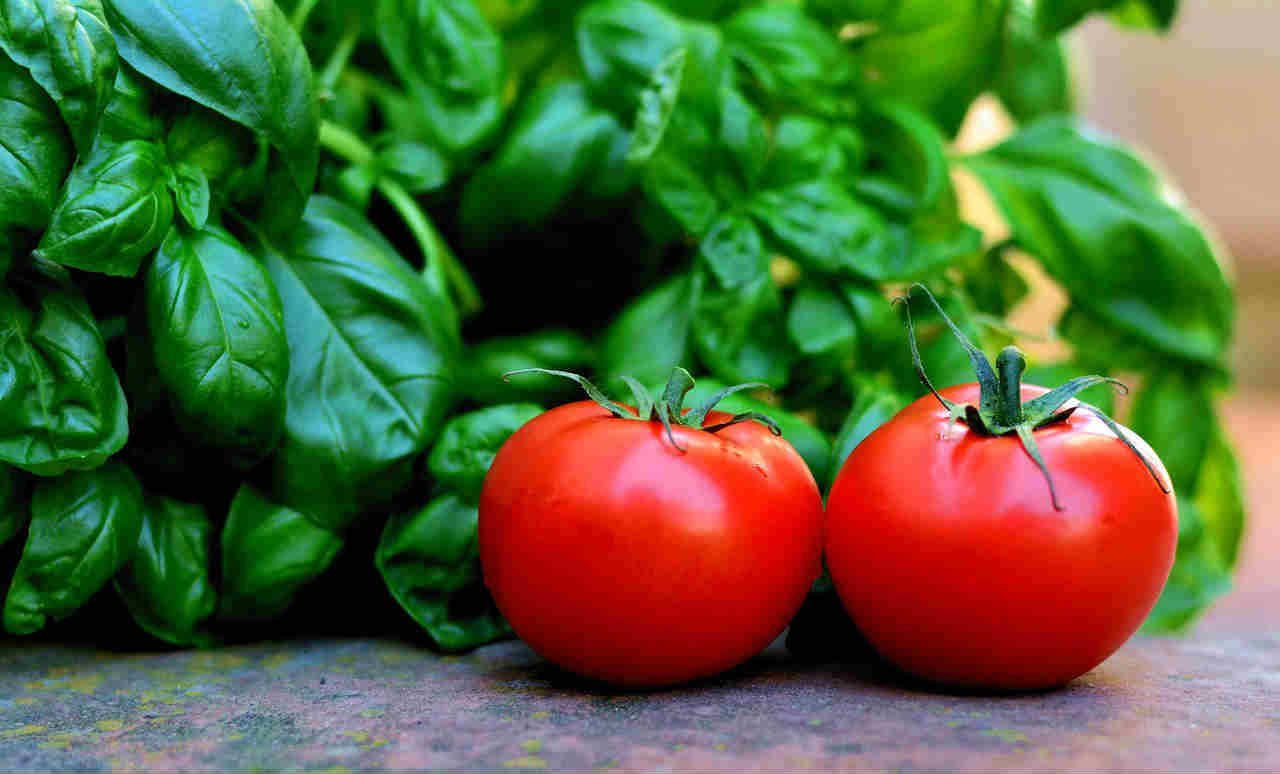
Does your family love pizza night? Here’s a fun family gardening project that’s sure to be a hit — how to grow your own pizza garden, packed with all your favourite toppings!
Spring is a great time to get the garden going, with longer evenings giving you more time outdoors after school or work. It’s also when a lot of families start setting out vegetable patches and planting beds for the season ahead. There’s plenty of work involved in getting a garden ready, but it’s a brilliant activity for the whole family to share — and a lovely way for kids to learn about how food grows. What better way to bring that to life than by growing your own pizza toppings?
You May Also Enjoy All You Need To Know About How To Grow Garlic
Getting Started With Your Pizza Garden

If you’re not sure where to begin, start small. A herb garden on a windowsill using a few pots, some soil and herb seeds — basil, thyme, dill or rosemary all work well — is an easy first step. Just follow the instructions on the seed packet, and you’ll have homegrown herbs in no time.
Grow Some Easy Pizza Ingredients
If you’re stuck on what to plant, think about the foods your family loves most and grow some of those ingredients instead. If pizza night is a regular favourite in your house, a pizza garden is the perfect project.
Most kids are far more willing to eat something they’ve grown themselves — even foods they usually claim to dislike. There’s something about watching a plant grow from seed that makes trying it feel like an adventure.
What You’ll Need to Grow Your Own Pizza Garden
- A circular raised bed roughly 4 ft in diameter — or repurpose an old children’s paddling pool or plastic sandpit as your garden bed. Giving the space a clear shape helps kids identify “their” garden and what needs looking after.
- Planting soil, plus some compost if you have a compost bin, or a general fertiliser if you don’t.
- Your plants: the herbs mentioned above grow well outdoors too, and you can also try tomatoes, onions, peppers, chilli, spring onions, spinach, or whatever toppings your family loves on pizza.
Time to Grow
- Fill your “garden” with soil and mix in the compost or fertiliser thoroughly. Let the kids rake it over with their trowels.
- Plant your seeds following the instructions on the packet.
- Water well to finish.
Over the coming days and weeks, get the kids involved in checking on the plants, keeping the soil moist, and pulling any weeds that pop up.
Before long, your family will be enjoying homegrown herbs and vegetables for very little effort — and they’ll definitely notice the difference in taste!
You May Also Enjoy Make Your Own Pizza With the Kids Using Our Quick Pizza Dough Recipe
Have you tried growing your own pizza garden? Did it make pizza night taste even better? We’d love to hear how it went for your family.

Frequently Asked Questions
What can I grow in a pizza garden?
A pizza garden usually includes herbs like basil, thyme, dill and rosemary, along with toppings such as tomatoes, onions, peppers, chilli, spring onions and spinach. Choose whatever your family actually likes on their pizza.
Do I need a big garden to try this?
Not at all. A small raised bed, an old paddling pool, or even a few pots on a windowsill are enough to get started. It’s a flexible project that works for gardens, patios or balconies.
Is a pizza garden a good project for younger kids?
Yes — the simple steps of filling soil, planting seeds and watering are easy for young children to take part in, and checking on progress each day helps them stay engaged.
How long does it take before I can use what I’ve grown?
This depends on what you plant and growing conditions, so it’s best to follow the timing guide on each seed packet rather than a fixed timeline.
Related Articles
- All You Need To Know About How To Grow Garlic
- Make Your Own Pizza With the Kids Using Our Quick Pizza Dough Recipe
More Family Ideas
Loved this project? Browse more family gardening and food ideas on MyKidsTime for your next weekend activity.
Stay in the Loop
Want more simple family activity ideas like this one delivered straight to your inbox? Sign up for the MyKidsTime newsletter for weekly ideas, recipes and things to do with the kids.