
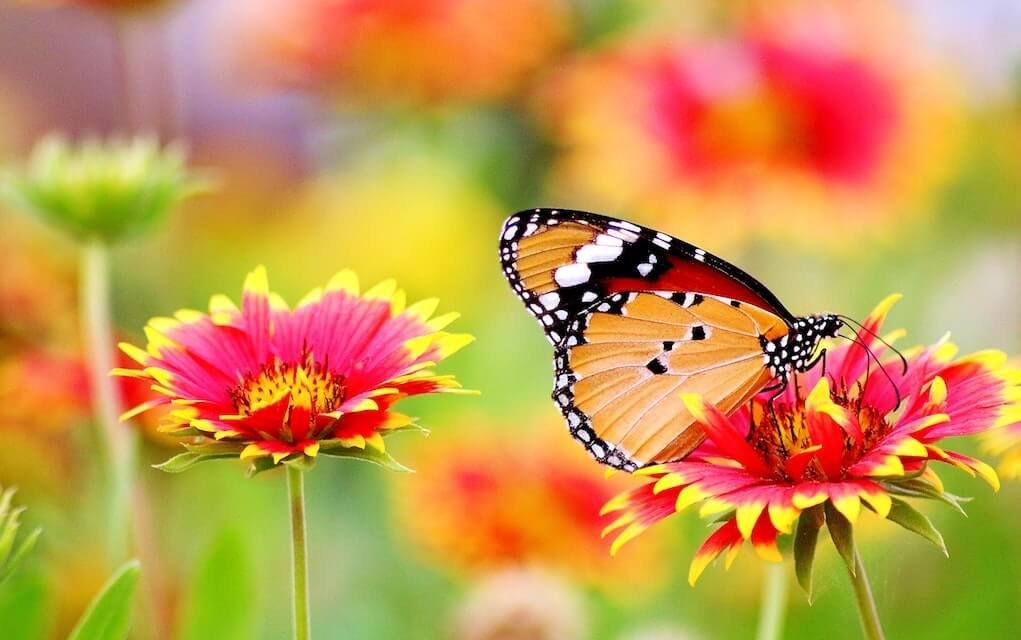
One of the best ways to get children excited about the outside world is by watching wildlife up close — and one of the simplest ways to attract wildlife to your garden is by planting a butterfly patch. It costs very little, takes an afternoon of digging and planting, and rewards you with colour and movement in your garden for months. Here’s how to make a beautiful butterfly garden with your kids, step by step.
Spending time with your children outdoors is one of the best things you can do for their health and mood. Sunshine helps build vitamin D for strong bones, running around burns energy, fresh air helps with better sleep, and there’s good evidence that time outside helps concentration too.
You May Also Enjoy How to Create a Wildlife Friendly Garden
How to Make a Butterfly Garden
#1. Find the Perfect Sunny Spot
Start by choosing a warm, sunny spot for your butterfly garden and dig it over. If you don’t have much lawn space, planters work just as well — just drill drainage holes in the base so water doesn’t pool. Planters look great on a patio, a balcony, or by the front door.
Sunshine matters because butterflies genuinely can’t survive without warmth — they need the sun’s rays to warm their wings before they can fly. Sunshine also helps your flowers bloom and keep producing fresh blossoms through the season.
#2. Choose Native Plants

Butterflies feed on nectar from flowering plants from March through November, so if you can keep something in flower across that stretch, you’ll attract a good range of visitors to your garden.
Here are some reliable butterfly-friendly choices:
- Sedum
- Buddleia
- Lavender
- Red valerian
- Verbena
- Hebe
- Wild marjoram
- Hemp-agrimony
- Common knapweed
- Field scabious
- A few overripe plums or pears left out in late summer will attract butterflies too
In hot spells, water these plants regularly and deadhead the flowers as they fade to encourage new blooms. This mix of native plants should attract common visitors such as the Red Admiral, Peacock, Brimstone, Painted Lady, Comma and Small Tortoiseshell.
Let the kids get properly stuck into the digging and planting — don’t worry about the mess, they’ll love it, and getting hands in the soil is genuinely good for them.
You May Also Enjoy The Best Plants for a Butterfly Garden
#3. Butterflies Need More Than Food
They need water too. The best way to offer it is in a shallow dish filled with pebbles. Butterflies, moths and hoverflies can land on the pebbles and drink safely from the shallow water between them. Top it up daily, as it tends to dry out quickly, especially in warm weather.
If you leave out a ground-level water source, don’t be surprised if a hedgehog turns up looking for snails too — a lovely surprise for kids (and adults) to spot.
#4. Make Your Butterfly Garden a Pesticide-Free Zone
Your plants will attract more than just butterflies. Bees, moths, hoverflies and ladybirds are usually welcome, and you may be less keen on spiders, snails and aphids — but all of them are part of the same natural food chain. Avoid pesticides in this patch: they’ll harm the butterflies and pollinators you’re trying to attract, along with everything else.
#5. Add Some Fun Extras

Why not let the kids decorate the butterfly garden? Painted and varnished stones, tiny fairy doors, and the odd superhero figure all add character. If you have the space, a small seat nearby means your child can sit and watch the action up close.
You May Also Enjoy 10 Best Nature Activities for Kids To Do in Your Own Garden
Learning Through Your Butterfly Garden

A butterfly garden isn’t just pretty to look at — it’s a genuine learning opportunity. Children are often fascinated by the butterfly life cycle: egg, caterpillar, chrysalis, butterfly. Younger children will love hearing The Very Hungry Caterpillar alongside watching the real thing unfold outside.
Butterflies are picky about where they lay their eggs. Nettles are a particular favourite for the Comma, Red Admiral, Small Tortoiseshell and Peacock to lay on. You could plant a small patch of nettles in a buried container to stop them spreading through the rest of the garden. It might feel like an odd choice for a kid-friendly space, but it’s actually a great way to teach children that even the plants we usually avoid have a purpose.
Watching a caterpillar grow, form a chrysalis and finally emerge as a butterfly is genuinely captivating — don’t be surprised if you find yourself out there checking on progress as often as the kids are.
You May Also Enjoy Treats for the Birds – Make a Bird Feeder

FAQs About Making a Butterfly Garden
What’s the most important thing a butterfly garden needs?
Sunshine. Butterflies need warmth to fly and to feed, so choose the sunniest spot available, whether that’s a garden bed, a patio corner, or planters by the front door.
Which plants attract the most butterflies?
Nectar-rich native plants such as buddleia, lavender, verbena, sedum and wild marjoram are reliable choices. Keeping something in flower from spring through autumn gives butterflies a steady food source across the season.
Do butterflies need water as well as flowers?
Yes. A shallow dish filled with pebbles and topped up with water lets butterflies, moths and hoverflies drink safely without the risk of drowning.
Should I use pesticides to keep other insects away?
No — avoid pesticides in a butterfly garden. They’ll kill the butterflies and pollinators along with the pests, and most of the “unwanted” visitors are simply part of the same food chain.
Related Reads
If you enjoyed this, you might also like:
- How to Create a Wildlife Friendly Garden
- The Best Plants for a Butterfly Garden
- 10 Best Nature Activities for Kids To Do in Your Own Garden
- Treats for the Birds – Make a Bird Feeder
Keep the Outdoor Ideas Coming
Loved this project? Browse more outdoor and nature activities for kids on MyKidsTime, and save this one to come back to next time you’re planning a weekend project.
Sign up for our free newsletter for weekly ideas, activities, competitions and offers straight to your inbox — it’s free, and it’s genuinely useful.