
[[IMG:1]]
Back-to-school season brings its usual mix of new pencil cases, first-day nerves… and, for many families, the dreaded head lice note home from school. It’s one of those parenting rites of passage nobody looks forward to, but the good news is that head lice are easy to manage once you know what to look for.
The Irish Pharmacy Union (IPU) shares clear, practical advice each year on preventing and treating head lice, and their top tip is one every parent can start straight away: a quick weekly hair check. Once you’ve dealt with head lice in your own house, a regular check during term time becomes second nature — and it’s the simplest way to catch an infestation before it spreads.
To make that weekly check worthwhile, you need to know exactly what you’re looking for and what to do if you find something. Here’s the pharmacist advice, tidied up and ready to use.
YOU MAY ALSO ENJOY: 6 Top Tips to Prevent Head Lice When the Kids Go Back to School
How to Get Rid of Head Lice
If your child does get head lice, try not to worry — it’s an extremely common part of childhood, particularly among younger school-age children, and it has nothing to do with how clean anyone’s hair is.
Spotting an infestation early makes treatment far easier and helps stop it spreading to siblings, classmates or friends. If you do find lice, start treatment promptly. And if your child has asthma, allergies or a skin condition, check with your pharmacist first, as they can advise on the treatment least likely to cause a reaction.
Pharmacist Caitriona O’Riordan’s key piece of advice is simple: don’t use a head lice treatment unless you’ve actually found a living, moving louse.
Head Lice Advice from Pharmacists
- Check children’s hair for lice regularly, ideally once a week.
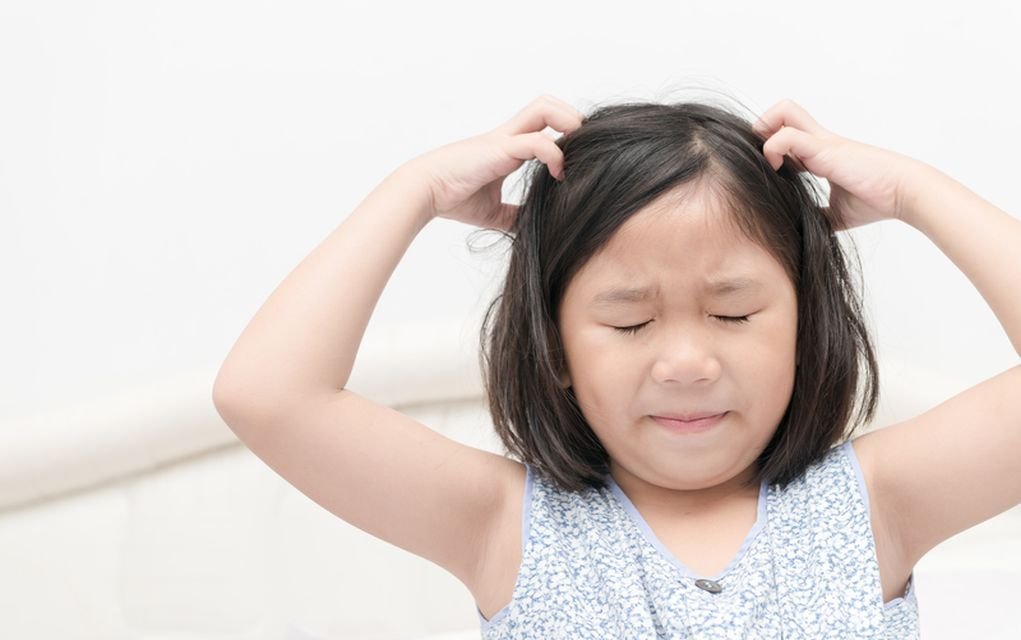
- Itching and scratching are the most common signs.
- Use a proper head lice comb — it has much finer teeth than a normal comb.
- Combing through wet hair makes the process easier. Work through it in sections, methodically.
- Good light matters, so you can actually see any lice or nits.
[[IMG:2]]
- Check close to the scalp, behind the ears, around the nape of the neck, the top of the head and under the fringe.
- As well as live lice, which crawl around the head, look out for nits — tiny eggs that can look like dandruff but, unlike dandruff, won’t flick off the hair easily.
- Only treat if you find live lice or unhatched eggs, and treat as soon as possible once you do.
- Let the school, and any close contacts or friends, know if your child has head lice. There’s no need to feel embarrassed — telling the school means other parents can check and treat their own children too, which helps everyone get on top of it faster.
- If you use a treatment from the pharmacy, follow the pack instructions carefully, along with any advice from your pharmacist.
- Head lice products don’t prevent infestations, so they shouldn’t be used “just in case” — only when lice have actually been found.
YOU MAY ALSO ENJOY: Handy Hairstyles to Prevent Lice and Nits Taking Hold
Frequently Asked Questions
How often should I check my child’s hair for head lice?
Pharmacists recommend a quick check once a week during term time, ideally on wet, freshly conditioned hair with a fine-tooth lice comb. Regular checks catch an infestation early, before it has a chance to spread.
Do I need to treat my child if I only see nits, not live lice?
Pharmacist advice is to treat only when you find live, moving lice or unhatched eggs. Old nit casings alone, without any live lice present, don’t necessarily mean an active infestation.
Should I tell the school if my child has head lice?
Yes. It can feel awkward, but letting the school know means they can alert other parents to check their own children, which helps stop lice passing back and forth between classmates.
Can head lice treatments be used to prevent lice before they happen?
No — pharmacists are clear that treatment products are for treating a confirmed infestation, not for “just in case” prevention. Regular combing and weekly checks are the recommended prevention method instead.
What should I look for besides itching?
Itching is common but not everyone reacts to lice bites. That’s why the physical check matters just as much as symptoms — look for live lice near the scalp, behind the ears and at the nape of the neck, plus nits close to the roots.
Related Articles
- 6 Top Tips to Prevent Head Lice When the Kids Go Back to School
- Handy Hairstyles to Prevent Lice and Nits Taking Hold
Keep More Handy Parenting Tips Close By
Not dealing with head lice this week? Bookmark this one for whenever a note comes home from school, and browse our other back-to-school guides for more practical, no-fuss parenting tips.
Never Miss Our Best Parenting Tips
Want more practical advice like this delivered straight to your inbox? Sign up for the MyKidsTime newsletter for weekly parenting tips, activity ideas and family life hacks — no spam, just the useful stuff.