
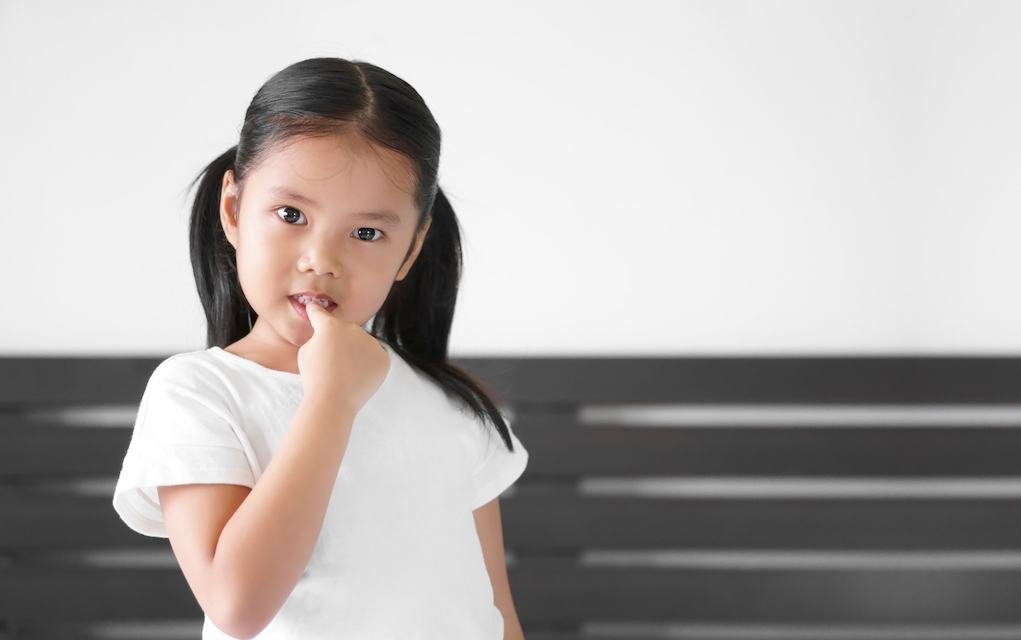
Do you know why your child bites their nails? Nail biting doesn’t sound serious, but it can cause real friction between parents and kids in the quest to break the habit. Here’s why children do it, and some tried-and-tested strategies to help them stop.
There are lots of reasons a child might bite their nails: boredom, stress relief, curiosity, or simply copying a sibling or parent. Professionals class nail biting as one of the very common “nervous habits.” Some children display other behaviours instead, such as thumb sucking, teeth grinding, nose picking, or hair twisting and pulling — or even a combination of these.
As a parent, these habits can be worrying, irritating and even a little embarrassing. But it’s worth remembering that there are lots of reasons a child might feel anxious that aren’t obvious to a parent watching from the outside.
If nail biting has started out of the blue, it’s worth thinking about whether your child might be going through some anxiety or stress. But if your child bites their nails unconsciously — while watching television, for example — or tends to bite in response to specific situations, it’s most likely just their way of coping with minor, passing stress, and there’s nothing to worry about.
You May Also Enjoy: 35 Calming Strategies for Kids to Ease Anxiety and Stress
How to Break the Nail Biting Habit
Since most children eventually outgrow nail biting, some parents find the best approach is simply to ignore it. For other parents, looking the other way is just too hard. Here are a few ways to work with your child to gently discourage the habit.
Talk
Start a conversation with your child about what nervous habits are and how it’s possible to break them. If you have an idea of what might be making them anxious — a recent move, a family change, a new school, an upcoming test — make a special effort to help them talk about their worries. That’s easier said than done for most kids, of course.
If friends are teasing them about it, they may be more than ready to stop with your help. Reassure them, then move on to talking through possible solutions and how much involvement they’d like from you.
Don’t nag or get angry
Like other nervous habits, nail biting tends to be unconscious. Unless your child really wants to stop, you probably can’t do much by pointing it out. If they don’t even realise they’re doing it, adding pressure to the situation is a pretty useless strategy — and the most important thing is to keep it from turning into a power struggle.
If you push your child to stop, you’ll only add to their stress and risk making the habit worse. The less fuss you attach to it, the more comfortable they’ll feel coming to you for help.
You May Also Enjoy: 50 Positive and Encouraging Messages Your Child Needs to Hear
7 Effective Nail Biting Solutions
1. Nail care

Keeping your child’s nails trimmed short reduces the surface area under the nail, which means less dirt and bacteria if they do bite. Take good care of the cuticles too — torn cuticles and broken skin can let bacteria in, which in a worst case can lead to a nasty infection.
If your child is old enough, teach them how to use an emery board and keep one handy, so there are no sharp edges tempting them to bite.
Why not offer a manicure? It doesn’t need to be a salon trip — a home “spa” session works just as well. Children may feel less inclined to bite when there’s a fun colour polish on, and it can be a great motivational tool once nails have grown a little. It’s also a nice bit of bonding time, and the compliments they get along the way can help discourage the habit further.
You May Also Enjoy: Create a Fairytale Look With 50 Fun and Easy Ideas For Disney Nails
2. Give your child something else to focus on
Find something else to keep your child’s fingers busy. Silly putty, a fidget toy, blue tac, sensory bottles, or a worry stone can all give them something to focus on with their hands instead of biting.
You can also try some calming techniques for the moments they feel the urge — deep breathing, or clenching and releasing their fists, for example. If that doesn’t work, look for something safe your child can chew instead, like chewable fidget toys designed for the purpose.
Make sure they have plenty of opportunity to burn off tension and nervous energy through physical activity — sport for older children, or plenty of outdoor play for younger ones. Some children find arts and crafts, or learning a musical instrument, a good way to keep their hands busy and relax at the same time.
You May Also Enjoy: 5 Practical Tips to Help Overcome Anxiety in Kids
3. Pick a subtle signal
Help your child become more aware of when and where they bite. When you notice them nibbling, lightly touch their arm or use a quiet code word that alerts them without announcing it to everyone else.
Some children respond really well to a physical reminder that draws their attention to the habit the moment it happens. This works best when your child chooses the signal themselves — otherwise it can feel like a punishment rather than a helpful nudge.
4. Create a reward system
For younger children, try a sticker chart and mark off every day they don’t bite their nails. If a whole day feels like too much, break it into smaller chunks — “before breakfast,” “in the car,” or “during dinner.” Once they’ve collected a set number of stickers, celebrate with a reward you’ve agreed together in advance.
5. Try bite-averting nail polish
For older children, a bite-averting nail polish that tastes unpleasant when bitten can help break the cycle. Talk to your pharmacist about the options available and what’s suitable for your child’s age.
6. Allow for natural consequences
Natural consequences can be good teachers. If your child occasionally bites their nails too short and it stings, that discomfort may be enough to motivate them to stop next time.
7. Keep trying
Explain, at an age-appropriate level, that different people respond to different techniques, and encourage your child to try a few approaches if the first one doesn’t work.
Remind them — and yourself — that habits are hard to break, and that you’re on the same side. Patience and persistence usually pay off in the end.
You May Also Enjoy: 7 Valuable Insights on How to Calm Anxiety in Your Child
When to Worry About Nail Biting
In rare cases, severe nail biting can be a sign of excessive anxiety that needs attention. It’s worth speaking to your child’s doctor if nail biting regularly leaves their fingertips sore or bloody.
It’s also worth getting advice if nail biting appears alongside other behaviours, such as scratching skin, pulling out eyelashes or hair, or trouble sleeping — or if the habit appeared suddenly and escalated quickly.
You May Also Enjoy: Why These 7 Good Tips Will Help Build Your Child’s Self Esteem

Frequently Asked Questions
Why do children bite their nails?
Nail biting is one of the most common “nervous habits” in childhood. Children often do it out of boredom, stress relief, curiosity, or simply copying a sibling or parent.
Is nail biting always a sign of anxiety?
Not necessarily. If your child bites unconsciously, such as while watching TV, or in response to specific everyday situations, it’s usually just a coping habit rather than a sign of a bigger problem. It’s worth paying closer attention if the habit starts suddenly and out of the blue.
What’s the best way to help a child stop biting their nails?
There’s no single fix — a combination of approaches tends to work best. Try keeping nails trimmed and cared for, giving your child something else to do with their hands, agreeing a gentle reminder signal together, and using encouragement rather than pressure.
Should I punish or nag my child about nail biting?
No. Nagging or getting frustrated tends to add stress and can make the habit worse, since it’s often unconscious. A calm, patient, team approach works far better than pressure.
When should I see a doctor about my child’s nail biting?
Speak to your child’s doctor if nail biting regularly causes soreness or bleeding, appears alongside other behaviours like hair pulling or sleep problems, or starts suddenly and escalates quickly.
Related Articles
- 35 Calming Strategies for Kids to Ease Anxiety and Stress
- 5 Practical Tips to Help Overcome Anxiety in Kids
- 7 Valuable Insights on How to Calm Anxiety in Your Child
- Why These 7 Good Tips Will Help Build Your Child’s Self Esteem
Before You Go
Every child is different, and what works for one may not work for another — so don’t be afraid to try a few of these ideas together and see what sticks. Browse our family life section for more everyday parenting tips and ideas.
Want more parenting tips like this dropped into your inbox? Sign up for the MyKidsTime newsletter for a weekly round-up of practical ideas, activities and advice for family life.