
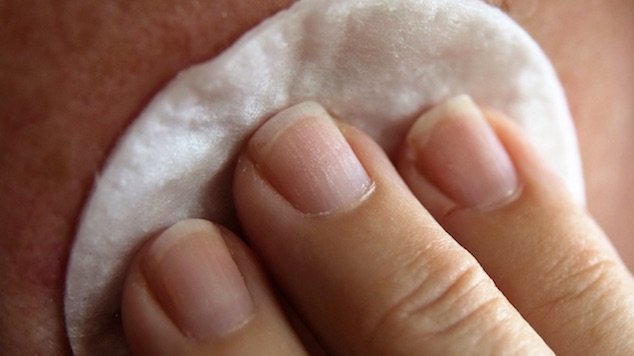
As your child reaches their teen years, it’s a great time to help them build a good skin care routine. A little know-how now can help avoid pimples, blackheads and breakouts, and give them a head start on healthy skin habits for life. Here are some teen skin care tips that are good to start early.
There are four main skin types — normal, oily/greasy, dry and combination. Before your teen gets started with a skincare routine, it’s worth figuring out which skin type they have, as this will affect how they should cleanse and which products suit them best.

Skin Types
Normal Skin
Normal skin means a good balance of oil and water, leaving skin with few blemishes and neither too dry nor too greasy.
To protect and maintain normal skin:
- Have a healthy diet.
- Keep hydrated with water.
- Wash the face morning and night with a mild cleanser, or warm water and a mild skin soap.

Combination Skin
The most common skin type is combination skin. This is where there’s a T-zone of oilier skin across the forehead, down the nose and onto the chin, while the rest of the skin can be dry.
- Cleanse morning and night with a mild, perfume- and alcohol-free facial soap and warm water, then pat dry.
- Use moisturiser on the dry areas, but not on the oilier spots.
Recommended reading: Some Tips on How to Navigate the Teenage Years
Dry Skin
Dry skin happens when the skin loses more moisture than usual. It can look dull and feel slightly rough to the touch.
Dry skin tends to be more noticeable in colder weather, when humidity is lower and when time is spent in artificially heated rooms before heading out into the cold.
If your teen has dry skin, they should:
- Avoid very hot showers or baths, as these increase moisture loss from the skin.
- Moisturise morning and evening with a suitable, perfume- and alcohol-free moisturiser, after gently cleansing with a mild cleanser.

Greasy/Oily Skin
Oily skin is usually shiny, with more visible pores than other skin types. Teens with oily skin are often more prone to spots and breakouts, and skin can flare up further at stressful times, such as exam periods.
To care for greasy/oily skin:
- Cleanse gently morning and night using warm water and a non-perfumed facial soap.
- Choose products that won’t clog pores.
- Try to keep hair off the forehead where possible.
- Avoid squeezing spots, as this can cause inflammation and scarring.
If your teen has a more severe case of acne, it’s worth bringing them to the GP or a dermatologist for advice.
Only use products suited to their skin type and age. If facial soap or cleanser isn’t to hand, warm water and a soft facecloth work fine — ordinary bar soap can be too harsh for sensitive facial skin. It’s also worth patch-testing any new product on a small area of skin first.
Recommended reading: The Truth About Eczema
Teen Skin Care Routine
Cleansing
All skin types benefit from daily cleansing. It’s worth bringing your teen along to a dermatologist or a specialist counter at a pharmacy, store or beautician’s for advice tailored to their skin and the products most likely to suit them.
Cleansing morning and night with warm water and a suitable facial soap, or a gentle cleansing product, helps clear away dead skin cells and the day’s build-up of dirt and oil.
Washing the face more than twice a day can actually dry it out, prompting the skin to produce extra oil that blocks pores and leads to more spots.
You may also enjoy: You Know You Have a Teenager When…
Protecting Your Skin

Teens of every skin type should get into the habit of using daily UV protection. This is a great habit to start early — even in winter, the sun’s rays can damage skin and speed up premature ageing.
Some moisturisers include built-in UV protection; if not, it’s worth choosing a suitable product for your teen’s skin type. Don’t forget the lips too.
Stick to a light moisturiser for the face. Heavier creams designed for older or more mature skin can be too rich, clogging pores and increasing the chance of spots or breakouts.
Your teen’s body will also benefit from a suitable body moisturiser (usually thicker than facial moisturiser) and a hand cream to protect and maintain the skin on their hands.
Recommended reading: 20 Important Things You Should Tell Your Teenager
Make-Up

As your teen grows, it’s natural that they’ll want to start wearing make-up. Look for a brand suited to their age and skin type, and get advice before spending on products that might not suit them or could cause irritation.
The golden rule with make-up: always remove it thoroughly before bed. Use products suited to the area of skin involved and to your teen’s skin type and age — the delicate eye area, for instance, needs a gentler product than the rest of the face.
Top tip: A make-up application class can be a lovely gift for a teen, giving them the confidence to apply make-up in a way that enhances their natural look.
Once a Month
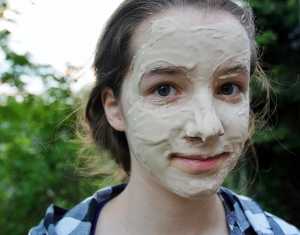
Once a month, it’s worth giving skin a little extra care with exfoliation and a face mask. Stick to products suitable for your teen’s skin type and age, and patch-test anything new before applying it fully, in case of a reaction.
You may also enjoy: Watch: Become a Skin Checker
Diet

One of the best ways to support healthy skin is a balanced diet and good hydration. It’s generally recommended to drink around eight glasses of water a day, more if exercising.
Recommended reading: 10 Healthy Snacks Teens Can Prepare Easily
Equip your teen with two or three products that genuinely suit their skin, and encourage them to stick with a simple routine — it really is a gift that lasts a lifetime.
Do you have any teen skin care tips of your own? Share them in the comments below.
Frequently Asked Questions
How do I know my teen’s skin type?
Look at how their skin behaves day to day. Normal skin has few blemishes and isn’t noticeably oily or dry. Oily skin looks shiny with visible pores. Dry skin can look dull and feel rough. Combination skin has an oilier T-zone (forehead, nose, chin) with drier skin elsewhere.
How often should my teen cleanse their face?
Twice a day — morning and night — is enough for every skin type. Cleansing more often than that can dry out the skin and trigger extra oil production, which can lead to more spots.
Does my teen need sun protection even in winter?
Yes. UV rays can damage skin and contribute to premature ageing all year round, not just in summer, so a daily UV-protective moisturiser or dedicated sunscreen is worth building into the routine.
What if my teen’s acne is more severe?
For more persistent or severe breakouts, it’s best to see a GP or dermatologist, who can advise on the right approach for your teen’s skin.
Should my teen use anti-ageing skincare products?
No — products designed for mature or ageing skin tend to be heavier and can clog young pores, increasing the likelihood of spots. A light, age-appropriate moisturiser is best.
Related Articles
- Some Tips on How to Navigate the Teenage Years
- The Truth About Eczema
- You Know You Have a Teenager When…
- 20 Important Things You Should Tell Your Teenager
- 10 Healthy Snacks Teens Can Prepare Easily
Looking for More Ideas Like This?
Browse our family life section for more practical tips on raising teens, or save this article to come back to when you’re building out your teen’s skincare routine.
Don’t Miss Out
Want more practical parenting tips like this delivered straight to your inbox? Sign up for our free weekly newsletter for ideas, offers and inspiration for your family.