
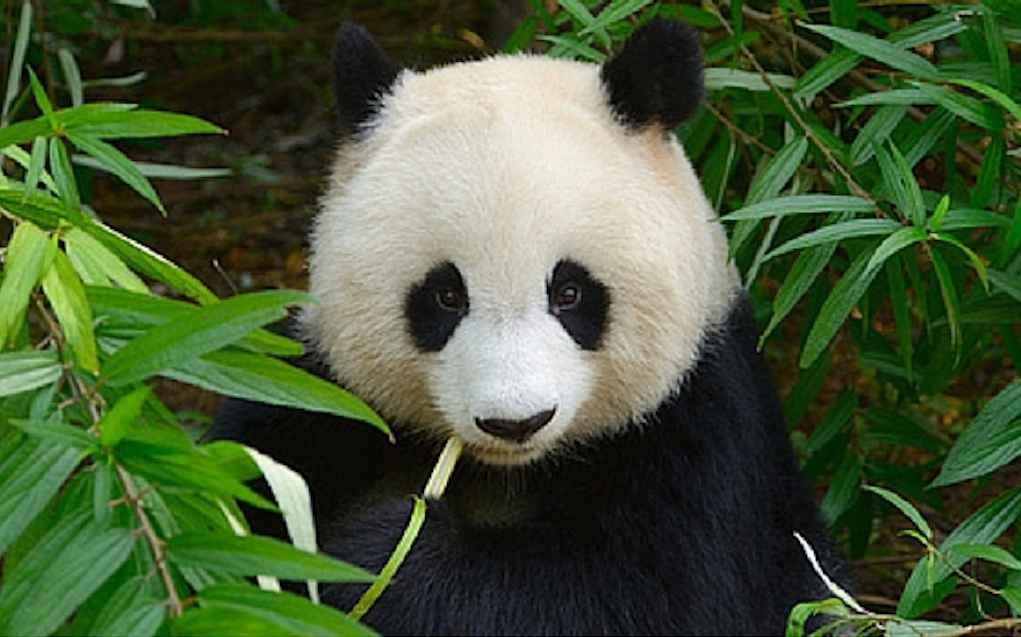
Pandas are one of the most adorable animals on the planet, and always a firm favourite with kids. If you’ve ever wondered what makes these black-and-white bears so fascinating, you’re sure to enjoy these fun panda facts for kids to discover and learn together.
<!–more–>
Don’t miss our best content straight to your inbox! Sign up now and get our FREE newsletters packed with fun ideas and things to do with the kids, family-friendly recipes, expert advice, parenting tips and great competitions.
Learn all about baby pandas, what pandas eat, how they live, and why they’re considered a national treasure with these panda facts for kids (or for anyone who loves pandas!).
You May Also Enjoy 15 Perfect Panda Crafts for Kids to Make
Panda Facts for Kids
#1. There Are 2 Types of Panda
There’s the Giant Panda, black and white and part of the bear family (Ursidae), and the Red Panda, which is more closely related to raccoons and skunks but actually belongs to a family all of its own (Ailuridae).
#2. Baby Giant Pandas Are Born Blind

Baby Giant Pandas are born without hair and cannot see for 6–8 weeks after birth. They usually measure just 15–20cm and weigh only 3–6 ounces.
Their mother doesn’t leave them at all for the first six weeks, and cubs stay close to her until they’re around 18 months old.
#3. Pandas Have Lots of Teeth!
The Panda has 42 teeth. And just like humans, they have baby teeth that fall out and are replaced with adult teeth.
#4. Pandas Love Bamboo

A panda’s favourite food is bamboo. The Giant Panda spends at least 12 hours a day eating it!
To help them chew, they have giant, powerful cheek muscles, which gives them their famously chubby look. They can peel and eat a bamboo cane in around 40 seconds.
#5. The Panda’s Throat Has a Special Lining
This special lining helps protect the panda from splinters that come off the tough bamboo canes as they eat.
You May Also Enjoy 20 Utterly Bodacious Kung Fu Panda Party Ideas for Kids
#6. Pandas Do Not Hibernate
Unlike other bears, pandas do not hibernate. They only absorb around 25–30% of the nutrients in the bamboo they eat, so they can never build up enough reserves to survive a winter hibernation.
#7. Pandas Are Carnivores

Both the Red and Giant Panda are technically carnivores, meaning they can eat meat too. But around 99% of their diet is made up of bamboo.
#8. Giant Pandas Are a Vulnerable Species
Giant Pandas are considered a vulnerable species, and Red Pandas are a protected species living mainly in the Eastern Himalayas. Conservation efforts in China have helped panda numbers recover in recent decades, though both species remain closely monitored and protected.
#9. Pandas Have False Thumbs!
Both the Red Panda and the Giant Panda have an extra digit! Known as a “false thumb,” it’s actually an extended wrist bone that has evolved over thousands of years to help them grip bamboo.
#10. Red Pandas Have Extraordinary Tails

A fully grown Red Panda is only slightly larger than a domestic cat, but they have long, bushy tails that can add up to 18 inches to their overall length.
You May Also Enjoy 20 Cheeky Chipmunk Facts to Impress Your Friends With
#11. Giant Pandas Have Excellent Eyesight
The Giant Panda has very good eyesight, thanks to vertical pupils just like a cat’s. In China they’re called “Da Xiong Mao,” which translates to “Giant Bear Cat.”
#12. How Long Do Pandas Live?
In the wild, pandas typically live for between 20 and 25 years, but they may live up to 35 years in captivity.
#13. Pandas Can Swim!

The Giant Panda moves slowly, but it’s an excellent tree climber and a proficient swimmer. Pandas are surprisingly agile for their size — although most can’t quite pull off Kung Fu moves like Po!
#14. Famous Pandas
The Giant Panda may be more famous than the Red Panda thanks to films like the Kung Fu Panda series, although a Red Panda does appear in every Kung Fu Panda movie (Shifu). Did you know that “Firefox,” the name behind the Mozilla browser, is another name for the Red Panda? To honour that connection, Mozilla has supported Red Panda conservation efforts linked to Knoxville Zoo.
#15. Pandas Are Symbols of Peace
The Giant Panda is considered a national treasure and a symbol of peace in China. Pandas were once hunted for their pelts, as people believed they offered magical protection from evil spirits. Today, hunting pandas carries a hefty penalty, and they’re protected by law.
You May Also Enjoy Amazing Animal Learning Resources And Activities For Kids
Frequently Asked Questions
How many types of panda are there?
There are two: the Giant Panda, part of the bear family, and the Red Panda, part of its own family (Ailuridae), more closely related to raccoons than to bears.
What do pandas eat?
Pandas eat mostly bamboo — around 99% of their diet — though technically they’re carnivores and can digest meat too.
Are pandas endangered?
Giant Pandas are currently classed as a vulnerable species rather than endangered, thanks to decades of conservation work in China. Red Pandas remain a protected species.
Can pandas swim and climb trees?
Yes! Despite their slow, gentle movements on the ground, pandas are strong swimmers and skilled tree climbers.
How long do pandas live?
Pandas typically live 20–25 years in the wild, and can live up to 35 years in captivity.
Related Articles You Might Enjoy
- 15 Perfect Panda Crafts for Kids to Make
- 20 Utterly Bodacious Kung Fu Panda Party Ideas for Kids
- 20 Cheeky Chipmunk Facts to Impress Your Friends With
- Amazing Animal Learning Resources and Activities for Kids
Loved these facts? Why not browse more fun animal facts and craft ideas to keep the learning going — save this page so you can come back to it anytime.
Don’t miss our best content straight to your inbox! Sign up for our free newsletter for fun ideas, family-friendly recipes, expert advice, parenting tips and great competitions, delivered weekly.
Have your say! Are you a panda fan? Do you have any more fun panda facts for kids? Leave a comment below and let us know — we’d love to hear from you!