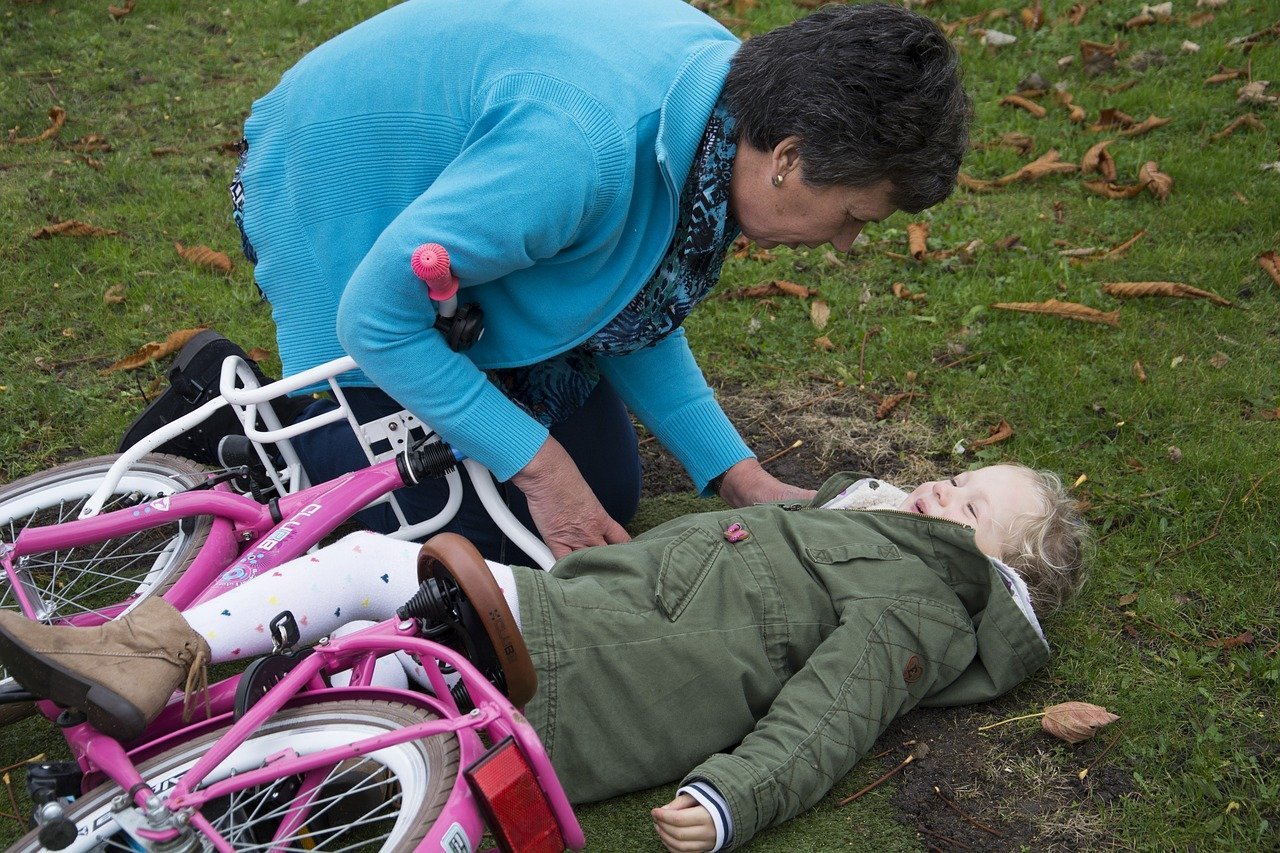
Accidents happen — especially at home, where children spend most of their time. Climbing frames, swings, trampolines and even the back garden all come with their own bumps and scrapes waiting to happen. When your child is hurt or unwell, they’re often frightened and don’t fully understand what’s happening to them. It’s easy for parents to feel panicky too.
Here are 6 quick tips for parents for first aid for kids to help you stay calm and respond well when your child needs you most.
YOU MAY ALSO ENJOY: The Basic Essentials You Should Know about Baby First Aid
Tips for Parents for First Aid for Kids
Knowing what to do in the event of an accident or emergency involving your child — or a child in your care — is one of the most reassuring skills a parent can have. That might mean knowing how to respond if your child bangs their head or starts choking, or being able to recognise the signs and symptoms of meningitis.
It also means knowing when to call for emergency help, and what to do while you wait for it to arrive.
#1. Reassure Your Child
If your child is frightened by what’s happened or by the number of people suddenly around them, your gestures, body language and tone of voice matter more than ever. Maintain eye contact, keep your voice calm and reassuring, and explain what’s happening around them in simple terms.
#2. Position Yourself at Child Level
Get down to your child’s eye level rather than standing over them. It’s a small thing, but it makes you feel less intimidating and more approachable at a moment when they need comfort.
#3. Give Your Child a Sense of Security
Familiar objects — a favourite toy, a teddy, or a familiar face like a friend or family member — can help a frightened child feel more secure.
We keep a “boo-boo bunny” in our freezer: an ice pack shaped like a bunny, used for bumps and scrapes, that makes the whole process feel a little less scary. You’ll find similar ones for sale on Amazon.
#4. Have a First Aid Kit in Your Home
A well-stocked first aid kit at home — and a smaller one in the car — is essential for parents, grandparents and anyone caring for children. Having the right items to hand means you’re ready to act as soon as something happens, rather than scrambling to find what you need.
#5. Have a List of Emergency Numbers to Hand
Keep a list of emergency numbers somewhere visible, like the fridge door or a noticeboard in the kitchen. In the middle of a stressful moment, not having to search for a number can make all the difference.

Download our handy Emergency Contact Numbers List to fill in and stick on your fridge.
#6. Attend a First Aid for Kids Course
Keeping your child safe is every parent’s priority, and a paediatric first aid course can help you learn how to protect your child both inside and outside the home. These courses build practical, hands-on skills for dealing with a range of childhood illnesses and accidents.
You’ll typically cover what to do if a child is choking or having an allergic reaction, and how to respond to febrile seizures (convulsions triggered by a fever). Knowing you have these skills can help you stay calm and respond in the right way when it matters most.
YOU MAY ALSO ENJOY: What To Do if You Think Your Child has Taken Poison
Frequently Asked Questions
What should I keep in a home first aid kit for kids?
A good starting point is plasters and dressings in a range of sizes, sterile gauze, tape, scissors, tweezers, an antiseptic wipe or solution, a thermometer, and a cold pack. Keep it somewhere accessible but out of children’s reach, and check it now and then to replace anything that’s used up or out of date.
How can I help my child stay calm during a first aid situation?
Get down to their level, keep your voice steady, maintain eye contact, and explain simply what’s happening. A familiar comfort object, like a favourite toy, can also help.
When should I call for emergency help rather than treat something myself?
If you’re ever unsure how serious an injury or illness is, it’s always safer to seek professional medical advice or emergency help rather than guess. A paediatric first aid course will give you a clearer sense of what you can safely manage at home and what needs urgent attention.
Is a paediatric first aid course worth doing even if my child is healthy?
Yes — it’s less about expecting an emergency and more about being prepared for one. Many parents find that having the skills and confidence from a course helps them stay calmer if something does happen.
Related Articles
- The Basic Essentials You Should Know about Baby First Aid
- Why You Need to Know the Symptoms of Meningitis
- What To Do if You Think Your Child Has Taken Poison
Browse More Parenting Picks
Looking for more practical parenting tips like these? Explore our Family Life hub for more real-world advice on keeping your household running smoothly, or save this article to come back to next time you need a refresher.
Stay in the Loop
Want more useful, no-nonsense parenting tips delivered straight to your inbox? Sign up for the MyKidsTime newsletter for a weekly dose of ideas, advice and things to do with the kids.
—