
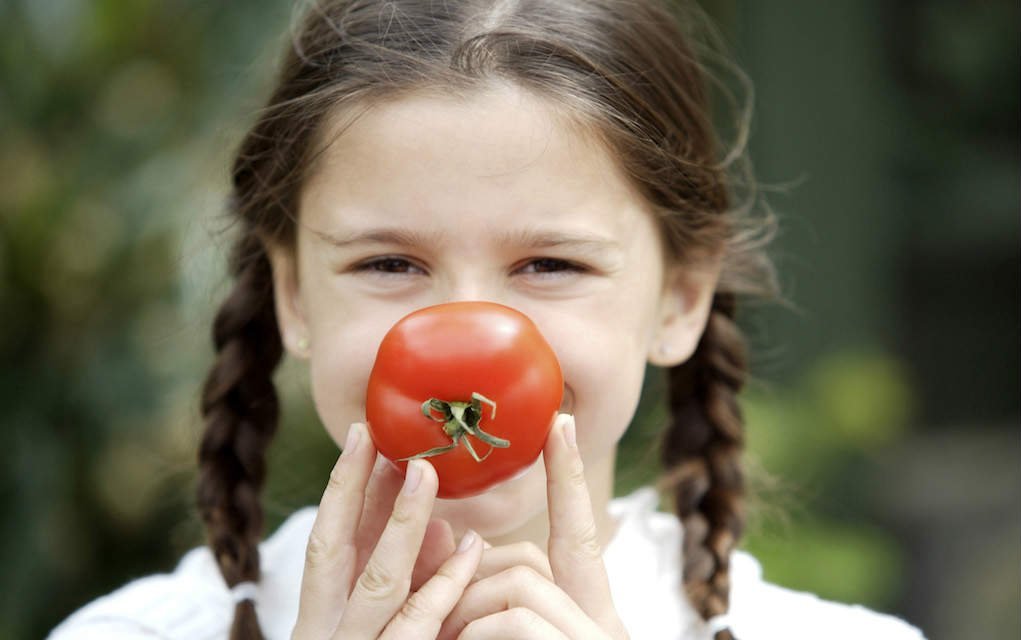
Getting your kids to eat vegetables is a parental challenge unlike any other, and can make mealtimes feel like a real battlefield. Take a look at our 9 expert tips to encourage your child to eat more vegetables and you could soon see a real difference at home.
The only real way to increase the range of foods your child likes and eats is by exposing them to those flavours. It can take young taste buds up to 15-20 times to try something new before really deciding whether or not they like it, yet research shows that parents often give up after just five attempts.
Exposure is vital — otherwise there aren’t the opportunities to make progress. In fact, exposure can even make your kids like something they previously disliked.
You may also enjoy 10 Top Tactics to Combat Fussy Eaters
Did You Know?

Eating right is a skill that children need to practise, just like learning to cycle a bike or read. That means many children need time to become comfortable with the smell, taste and texture of vegetables.
Vegetables can vary — for example, a pepper is sweeter if it’s riper. In contrast, other foods such as a cracker are always exactly the same.
All children are individuals (just like us adults), and they vary in how quickly they master a skill. Some just need a little more support than others.
Take a look at the following expert tips to see how we can turn the tables on vegetables at mealtimes.
You may also enjoy Tips to Ensure Fussy Eaters Get Their 5-a-Day
Tips to Encourage Your Child to Eat More Vegetables
#1. Serve Vegetables First
Some children don’t eat their vegetables if they fill up on their favourite foods first, such as pasta. As an alternative, serve vegetables when children are most hungry — at the start of a meal, before other foods or drinks.
Suggestions for doing this include serving soup, or cut-up raw vegetables such as sugar snap peas, while waiting for dinner.
You may also enjoy 10 Easy Healthy Snacks for Preschoolers
#2. Vary How You Cook Vegetables

It’s a great idea to vary the way we cook vegetables, or to skip cooking altogether and serve them raw. Some children prefer their vegetables crunchy, such as cut-up raw carrot. It’s worth trying different options with the same vegetable — roasted carrots, for example, bring out their natural sweetness.
#3. Vary How You Present Vegetables
Sometimes changing the appearance of a food is all we need to change our children’s opinion of it.
One example is to add vegetable toppings to make a happy-faced pizza, using olives for the eyes, peppers for the mouth and carrot for the nose.
You may also enjoy Simple Smoothie Recipes for Kids They Will Actually Like
#4. Vary the Textures of Vegetables

The texture of vegetables is often more important than the taste for many children. Children vary in their preferences for textures, with some preferring crunchy, soft or smooth textures such as pureed vegetables.
This can simply mean experimenting with cooking times — some children prefer their vegetables cooked al dente (with a bit of bite) rather than too soft and mushy.
#5. Add Plenty of Flavour
Some children find the taste of certain vegetables quite strong, especially leafy green vegetables. To help with this, add extra flavour with things like salt, onions, garlic, butter and cheese.
If some of these flavours are too strong, just use a little, or try milder versions such as garlic butter, or serve with a dip such as houmous.
You may also enjoy 16 Splendid Soup Recipes That the Kids Will Love
#6. Build on What Your Child Likes
Many children really like various forms of bread, such as pancakes. One suggestion when making pancakes is to add some finely grated vegetables into the batter.
These may include raw vegetables such as courgette (peel to remove the skin and any green colour) or cooked vegetables like finely grated onion.
#7. Make Vegetables Fun

Vegetables are often seen negatively by children as being too healthy, boring or not tasty. We can make vegetables more fun with simple games, especially with younger children — for example, pretending broccoli is dinosaur food, or relabelling food with superhero names like “X-Ray Vision Carrots.”
#8. Remove the Fear
Often children are concerned that they won’t like the taste or texture of a vegetable, or that they’ll have to swallow it.
One really simple way to help children with these fears is to keep a napkin or tissue close by, so children can discreetly spit out the vegetable if they don’t want to swallow it.
This can really help children get over their fear of tasting something new or unfamiliar.
You may also enjoy 14 Sneaky Ways to Get Vegetables Into Kids’ Meals
#9. Look Beyond the Immediate Meal
Often, we as parents and caregivers apply pressure to get our kids to eat vegetables, such as offering a biscuit if they eat their vegetables. Most children will want the biscuit, so they end up feeling pressure to eat the vegetables. This can create even more negative feelings towards that particular vegetable, which may unfortunately last long-term.
Build on the steps above and think about the long-term goal of getting children comfortable with the texture, smell and taste of vegetables before expecting them to eat them.
You may also enjoy 13 Expert Tips to Help Your Picky Eaters

How do you get your kids to eat more vegetables? Share your top tips with other parents in the comments below — we’d love to hear from you!
Frequently Asked Questions
How many times should I offer a new vegetable before giving up?
Experts suggest it can take 15-20 exposures to a new food before a child decides whether they like it. Most parents give up after just five tries, so patience really does pay off — keep offering small amounts without pressure.
Why does my child refuse vegetables they liked before?
Taste and texture preferences change as children grow, and pickiness is a completely normal part of development. Keep offering the vegetable in different forms rather than assuming it’s off the menu for good.
Does it matter how vegetables are cooked?
Yes — texture often matters more than taste to children. Try raw, roasted, steamed or pureed versions of the same vegetable to find what your child prefers.
Is it okay to hide vegetables in other foods?
Blending vegetables into pancakes, sauces or bakes can be a helpful bridge, but it’s worth also offering vegetables in their whole, visible form so children learn to accept them on their own terms too.
Related Articles
- 10 Top Tactics to Combat Fussy Eaters
- Tips to Ensure Fussy Eaters Get Their 5-a-Day
- 14 Sneaky Ways to Get Vegetables Into Kids’ Meals
- 13 Expert Tips to Help Your Picky Eaters
Want More Ideas Like This?
Browse our family-life and food and recipes sections for more mealtime inspiration, or save this article to come back to next time vegetables are causing a standoff at the table.
Don’t Miss Our Best Content
Sign up now for our FREE newsletter packed with fun ideas and things to do with the kids, family-friendly recipes, expert advice, parenting tips and great competitions.