
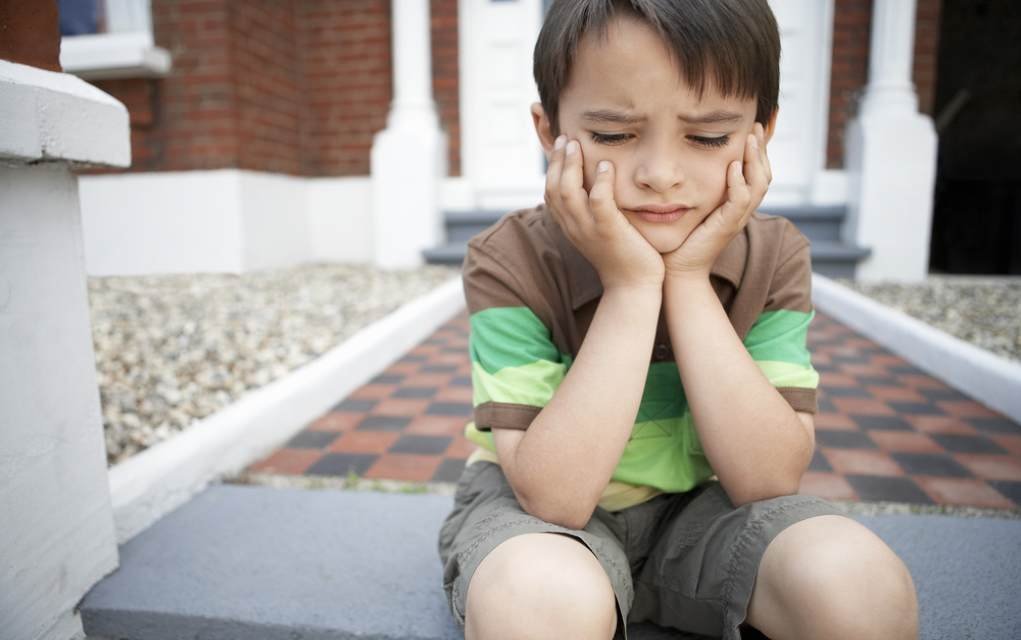
No matter what age your child is, school days can leave them with a lot of bottled-up emotions. If your child veers into meltdown mode the moment they walk in the door, you’ll want these simple suggestions for how to handle meltdowns after school.
Don’t miss our best content straight to your inbox! Sign up now and get our FREE newsletter packed with fun ideas and things to do with the kids, family-friendly recipes, expert advice, parenting tips and great competitions.
You know the scenario — your child comes home from school in a really rotten mood, and before you know it they’re having a full meltdown. It can be tempting to react with sternness, but at this point it helps to take a deep breath and remember they’re simply reacting to something that happened during their day.
You may also enjoy: 8 Top Tips for Dealing With an Older Child’s Tantrum
How to Handle Meltdowns After School
Feed Them
Lunch and breaks at school can be rushed for kids — they might nibble something quickly from their lunchbox just to get back to playing with friends. Feeding your child something as soon as they get home from school is a good way to take the edge off a bad mood. Try to avoid anything too sugary though, as that just leads to a sugar high followed by a crash, which won’t help their mood at all.
Having something simple ready to serve the moment they walk in the door — even a big batch of soup made ahead and frozen in portions — can make a real difference. More often than not, once the tummy is full, the mood improves.
You may also enjoy: Yummy Ideas for Healthy (and Easy) After School Snacks
Pet Cuddles

If you have a pet — a dog, cat, or even a hamster — a cuddle can help calm big emotions and make your child feel better. There’s something about burying your nose in some fur that takes the edge off a bad mood.
Suggest a Game
Often, when kids are at their grumpiest, the suggestion of a fun game is enough to distract them. By the time the game is finished, they’re usually back to feeling like themselves again (helped along, perhaps, by letting them win).
You may also enjoy: 20 of the Best Board Games for Families – Picked By Parents
Sensory Jars

Make sensory bottles or calm-down jars to have on hand for exactly this moment. Alternatively, a few minutes watching a lava lamp, blowing bubbles, or other gentle sensory play can be really calming.
You may also enjoy: 7 Simple Sensory Box Ideas
Writing a Letter
Encourage your child to sit and write a letter about their feelings. Journaling is a well-known way to get strong emotions out and onto paper. If they want to read it to you afterwards, that’s great — or they can just crumple it up and let the feelings go. Whatever works for them is fine.
Go for a Walk

If your child is especially grumpy after school, suggest heading out for a walk on the beach or in the woods before tackling homework. Fresh air can clear the head, and a walk can sometimes lead naturally into a conversation about what’s on their mind.
If you have a dog, even a quick walk around the neighbourhood can work just as well.
Quiet Time
Suggest your child takes some quiet time with a book. Getting immersed in someone else’s story can help them forget their troubles for a while and head off a meltdown before it starts.
LEGO Project
A small LEGO project can work wonders when a child is starting to lose it. Getting absorbed in building something can help them quickly forget about being grumpy.
Play Time

Encourage your child to go out and play, whether that’s in the garden or with friends nearby. Kids need downtime and playtime, and running around can help them exercise — and shake off — those tricky feelings.
Don’t Bombard Them
If your child is in a really bad mood, it’s tempting to ask a string of questions to find out what happened as soon as they’re out of school. Try holding off for a bit and using some of the other distraction techniques here instead. They’ll often tell you what was bothering them once they’re ready.
You may also enjoy: 40 Fun Questions to Ask Kids About Their Day at School
Time to Relax

Give your child time to relax, and let them tell you about their day when they’re ready. School days can be busy and over-stimulating, so some quiet downtime can go a long way toward avoiding meltdowns.
Colouring, listening to music, or a favourite audiobook can all help too.
Routine Helps
Plan an after-school routine together so your child knows what to expect each day. Often it’s the unexpected changes that trigger meltdowns, so having a predictable routine can make things easier for kids.
Homework Stress
Sometimes homework itself is the trigger for a meltdown. Encourage a few deep breaths first, as breathing helps calm the body down. Then ask your child to show you what the problem is, and talk through how they might start to tackle it.
If homework is causing too much stress, suggest leaving it for later, or checking with their teacher the next day. Reassure them that this is okay — kids can sometimes worry about admitting to a teacher that they need help.
You may also enjoy: Practical Tips for Parents on How to Help with Homework
Frequently Asked Questions
Why does my child melt down after school but seem fine all day at school?
Many children hold it together while they’re at school and only let their feelings out once they’re somewhere safe, like home. This is often a sign of trust, not a discipline problem — it means your child feels secure enough with you to let their guard down.
Should I ask my child what’s wrong straight away?
It’s usually better to wait. Give your child some space, offer food or a calming activity first, and let the conversation happen naturally once they’re ready, rather than asking a string of questions the moment they’re through the door.
How can a routine help with after-school meltdowns?
A predictable after-school routine — snack, some downtime, then homework, for example — reduces the number of decisions and surprises your child has to deal with when they’re already tired. Fewer changes generally means fewer meltdowns.
When should I be concerned about after-school meltdowns?
Occasional meltdowns after a long school day are normal for most children. If meltdowns are frequent, intense, or affecting your child’s wellbeing more broadly, it’s worth having a chat with their teacher or GP, as they may be able to offer extra support.
You Might Also Like
- 8 Top Tips for Dealing With an Older Child’s Tantrum
- Yummy Ideas for Healthy (and Easy) After School Snacks
- How to Make Sensory Bottles / Calm Down Jars
- 7 Simple Sensory Box Ideas
- Practical Tips for Parents on How to Help with Homework
If these suggestions were helpful, why not save this article or browse our other ideas for calm, happy after-school routines?

Have your say! What’s your best tip for handling meltdowns after school? Leave a comment below — we’d love to hear from you.
Don’t miss our best content straight to your inbox! Sign up now for our FREE weekly newsletter packed with fun ideas, family-friendly recipes, expert advice and parenting tips.