
Head lice can be resistant to the chemical treatments many parents reach for first, so it’s no surprise so many families look for effective, budget-friendly alternatives. This is essential reading for any parent dealing with nits or head lice: home remedies recommended by other MyKidsTime parents, tried and tested in real homes.
Head lice can turn up at any time of year, though the warmer months often bring an increase. Having a few natural, home-based options ready to go is a smart move. Some of the suggestions below are anecdotal rather than clinically proven, but many parents swear by them.
YOU MAY ALSO ENJOY: 6 Head Lice Treatment Products and Tools Parents Recommend
What Are Head Lice?
Head lice are a very common childhood ailment. They’re tiny insects, about the size of a grain of rice, that grip onto the hair shaft. They lay their eggs (nits) close to the scalp, usually around the nape of the neck and behind the ears, where it’s warmest.
Nits hatch after 6–7 days and, once hatched, live for about 30 days. So once you remove a live louse, you still need to clear all the eggs before they hatch and start the cycle again. It’s time-consuming, but catching it early makes the whole job quicker.
Home Remedies for Head Lice Treatment
Regular Combing
[[IMG:1]]
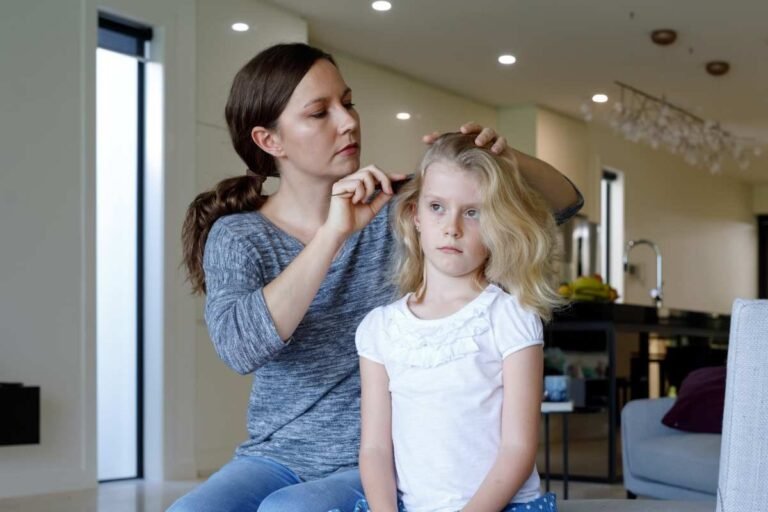
From experience, the most reliable way to get rid of lice is simply combing with a good metal lice comb.
It’s easiest to comb through wet or damp hair with some conditioner applied, as this helps the comb glide through and can also slow the lice down. Part the hair and work through the whole head slowly, section by section. Keep some kitchen paper and a bowl of hot water nearby to rinse the comb after each pass.
Even after a treatment, whether natural or chemical, keep combing through the hair every day for a few weeks to catch any live lice or eggs you might have missed.
Tea Tree Oil
If you have tea tree essential oil at home, try mixing it into some conditioner. Head lice are reported to dislike the scent, and the conditioner makes combing much easier.
Apply the tea tree and conditioner mix all over the hair, from roots to ends, and leave it on for about 15 minutes before combing through. Shampoo the hair, then comb again.
Parent tip: “Use a tea tree shampoo and conditioner and use a nit comb. I have used olive oil and a shower cap as well – it did work, but was very messy and took ages to wash out” – Caroline
Other Essential Oils
Alongside tea tree, other strong-smelling essential oils such as lavender, eucalyptus, peppermint and rosemary are thought to help deter head lice.
Parent tip: “I have a spray bottle with water and a few drops of tea tree or essential oil that I spray on daily. It has worked so far.” – Jenny
Hair Straightener
The heat from a hair straightener is often mentioned as effective at killing head lice and nits.
Section the hair and straighten as you normally would, running the lice comb through each section as you go. This can be a handy option for adults in the household too, if you’re worried about catching lice from your child.
YOU MAY ALSO ENJOY: 13 Things They Don’t Warn You About When Your Child is Starting School
Mayonnaise
Another remedy many parents swear by is applying mayonnaise like a conditioner. The idea is that the mayonnaise smothers the head lice if left on for a good length of time.
Some suggest leaving it on overnight under cling film, but we wouldn’t recommend that, as it can be a choking hazard. Instead, leave the mayonnaise in for as long as you comfortably can, then wash it out and comb through section by section. It leaves hair soft and shiny as a bonus.
Parent tip: “Mayonnaise and vinegar mixed together (smells vile!), smothered all over the head, wrapped in cling film and left for an hour. Then washed out with tea tree shampoo and conditioner, and combed through.” – Ruth
Vinegar
Mix a solution of equal parts salt and vinegar, ideally in a spray bottle for easy application. Spray it onto the hair and leave for 30 minutes before combing through. The idea is that the salt dehydrates the lice. Comb again after washing.
Parent tip: “I use half virgin olive oil and half white vinegar. Saturate the hair, cover with a shower cap, and leave on for as long as you can before washing off. The next day, saturate the hair with Listerine, put the shower cap on again for as long as possible, then rinse. We kept the caps on for over an hour. The oil and vinegar kills the bugs, while the Listerine lifts eggs and dead bugs out of the hair. It worked great, and we used a lice comb too.” – Sue
More Parent Tips for Home Remedies
- “Baking soda – washed once, and in a week all eggs had died.” – Gryte
- “Tea tree with conditioner under a plastic cap, then use a nit comb.” – Samantha
- “Warmed coconut oil and apple cider vinegar – it smells nasty, but it works! Leave in the hair for at least 30 minutes, then wash out.” – Caroline
As with any home treatment, check with your pharmacist if head lice keep coming back, or if you’re unsure whether an ingredient is suitable for your child’s hair or skin.
YOU MAY ALSO ENJOY: Here’s What Pharmacists Advise for How to Get Rid of Head Lice
How to Prevent Head Lice
Once you’ve cleared the head lice and eggs, the next step is prevention. A few small daily and weekly habits can help stop them coming back.
#### #1. Comb at Least Once a Week
Checking and combing weekly, as mentioned above, helps catch things early. If a louse has laid a few eggs, you’ll spot them before they hatch, and hopefully avoid a full infestation.
#### #2. Keep Hair Short or Tied Up
[[IMG:2]]
Keeping hair neat and tidy helps reduce the chance of picking up lice from another child, especially since children often sit with their heads close together.
Short, neat hair lowers the risk, but for longer hair, plaits, a bun or another well-tied-back style work well too.
#### #3. Use a Preventative Spray
As mentioned, head lice tend to dislike the scent of certain essential oils, so a spray bottle mix can be worth keeping handy. Spray on every morning before school, paying particular attention to behind the ears and the nape of the neck.
At the end of the day, most children will pick up head lice at some stage. It’s an itchy, frustrating nuisance, but it’s a normal part of childhood, and parenthood. Don’t panic, and remember: combing is key.
YOU MAY ALSO ENJOY: Handy Hair Styles to Prevent Head Lice Taking Hold
[[IMG:3]]
Frequently Asked Questions
What’s the most effective natural way to get rid of head lice?
Regular, thorough combing with a good metal lice comb, done through wet hair with conditioner applied, is the method most parents find works best. It should be repeated daily for a few weeks to catch newly hatched lice.
Do essential oils actually keep head lice away?
Many parents find that tea tree, lavender, eucalyptus, peppermint and rosemary oils help deter head lice, likely because lice dislike the strong scent. Results are anecdotal rather than clinically proven, so combing remains the most reliable step.
How often should I check my child’s hair for head lice?
Checking and combing at least once a week is a good habit, especially during school terms when lice tend to spread more easily between children.
Is it normal for children to get head lice more than once?
Yes. Head lice are extremely common and most children will pick them up more than once during their school years. It isn’t a reflection of hygiene, just a normal part of being around other children.
Related Articles
- 6 Head Lice Treatment Products and Tools Parents Recommend
- 13 Things They Don’t Warn You About When Your Child is Starting School
- Here’s What Pharmacists Advise for How to Get Rid of Head Lice
- Handy Hair Styles to Prevent Head Lice Taking Hold
Before You Go
Dealing with head lice is never fun, but you’re not alone in it. Browse more parent-tested tips and family life ideas on MyKidsTime, and save this article so it’s handy the next time an itchy head turns up at home.
Get More Parent-Tested Tips
Want more real tips from real parents, straight to your inbox? Sign up for the MyKidsTime newsletter for weekly ideas, advice and activities to make family life that little bit easier.