
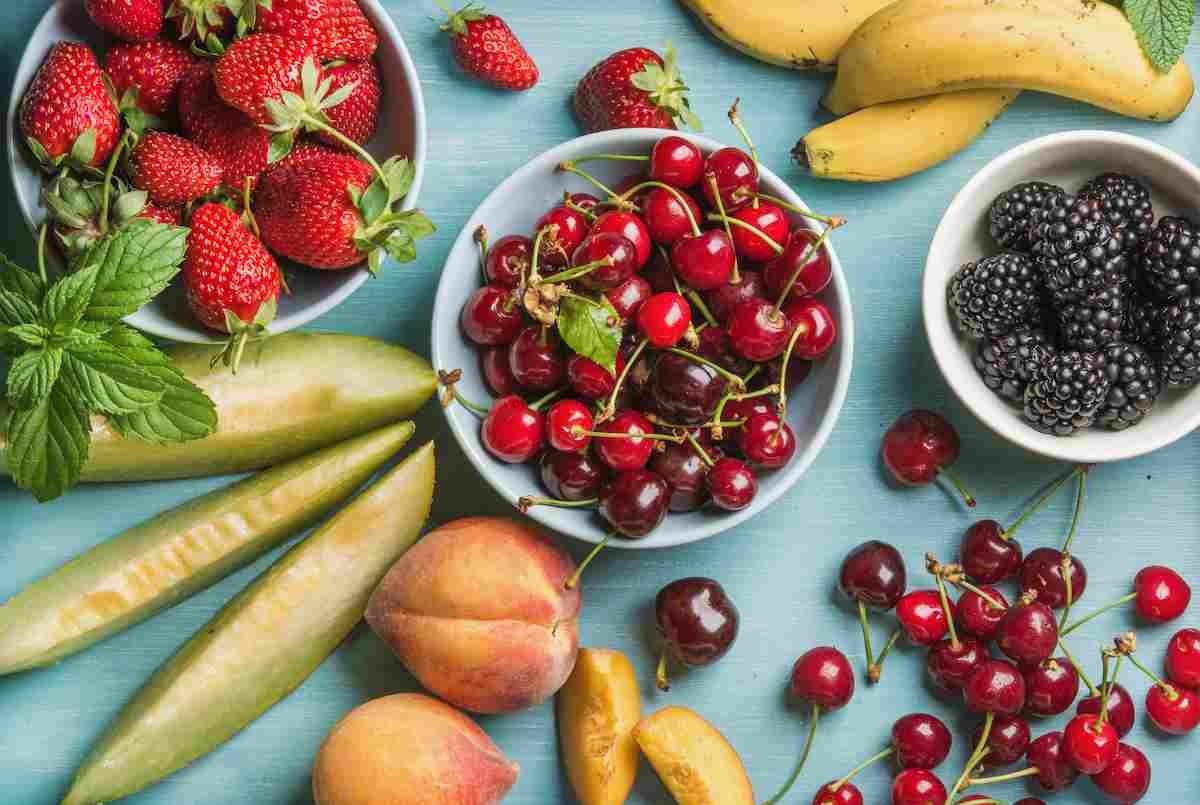
When fresh fruit and veg are at their best, it’s worth knowing how to keep them that way for as long as possible. A little know-how about storage can mean less food ending up in the bin, more goodness on your plate, and better value from every shop.
We’ve teamed up with Stop Food Waste to share simple, practical ways to make your fruit and vegetables last longer and cut down on waste.
YOU MAY ALSO ENJOY: 11 Practical Tips for Keeping Fruit and Vegetables Fresher for Longer
Storage Is Key

Storage is the single biggest factor in how long your fruit and veg will last. Some need to be kept in the dark, others need light. Some like moisture, others need to stay dry. And some need to be kept well away from everything else!
Getting to know what each item prefers means less waste and more nutrition from your fresh food. A good place to start is the Stop Food Waste A-Z, which lists fruit and vegetables and the best way to store each one.
How to Keep Berries Fresh
There’s nothing quite like fresh berries in season — strawberries, raspberries, blueberries and more. The key to keeping them fresh is storing them in a fruit drawer in the fridge.
Berries bruise easily, so handle them gently. Don’t wash them or remove the stalks until you’re ready to eat them, and take out any berries that look like they’re starting to spoil, as they can cause the ones around them to go off too.
If you have a few days’ worth that you know you won’t get through, try freezing them instead. Grapes are especially good frozen as a cool snack. Fresh or frozen berries also work well blended into smoothies or turned into a fruit purée served with ice cream or custard.
How to Store Fresh Fruit

Most fruit is happy in a fruit bowl, but only top it up once older pieces have been eaten, and avoid overfilling it — fruit needs air circulating around it. If you keep fruit in the fridge, use a rotation system so older items get eaten before the newer ones.
Bananas are the exception — keep them separate from other fruit. They give off ethylene gas, which speeds up ripening in whatever is nearby. If you end up with overripe bananas, our kid-approved banana bread recipe is a great way to use them up.
Citrus fruits can be kept in the fridge or in a cool, dry spot if you’re short on fridge space. They’ll be juicier stored outside the fridge, but will last longer — up to a month — if refrigerated.
For fruit that’s on its way out, think about what you could make with it. Stewed apples pair well with pork, berries or venison, or turn soft fruit into a fruit crumble, a smoothie, or some ice lollies.
Stop Food Waste
Get the full A-Z of storing and cooking fruit and vegetables for maximum freshness and nutrients at Stop Food Waste. Tell me more!
How to Keep Vegetables Fresh and Nutritious
Where possible, store vegetables away from fruit — the ethylene gas some fruits give off can make vegetables ripen (and spoil) faster. If your fridge has two crisper drawers, use one for fruit and one for veg.
Most vegetables like a little moisture, while most fruit prefers things drier, so closing the vents on your vegetable drawer helps keep that moisture in and vegetables fresher for longer. It also helps to take vegetables out of any plastic packaging, since they need air circulating to stay at their best.
Some vegetables prefer the dark. Potatoes and onions should each be kept in a cool, dark cupboard, away from each other — onions give off moisture that makes potatoes sprout more quickly — and away from any heat source, which also speeds up sprouting.
One of the easiest ways to use up vegetables is in soup — even in warmer months, a bowl after a day out is always welcome. Vegetables also work well blended into smoothies, thrown into a stir fry, or blanched and frozen for later.
YOU MAY ALSO ENJOY: 14 Sneaky Ways to Get Vegetables into Kids Meals
Keep Salad Items Fresher for Longer

Lettuce needs moisture and air to stay fresh and crisp. Even bagged salad leaves last longer once removed from their packaging — wash and dry them, then store in an aerated container, loosely covered with damp paper towel, with a plate underneath to catch any drips.
For a whole head of lettuce, trim a little off the root and stand it root-side down in a container with about half an inch of water. Loosely cover with a plastic bag and store in the fridge.
Both methods can keep lettuce fresh for up to five days, and the same trick works well for reviving wilted lettuce too.
Tomatoes are best kept cool but out of the fridge, while cucumber should stay in its plastic wrap (if it came wrapped) and be stored with other vegetables in the crisper drawer.
Final Tips to Cut Down on Food Waste and Save Money
The quicker fresh food is eaten, the better its quality and nutritional value. Here are some simple habits that help cut waste and save money:
- Set up a system for rotating fruit and vegetables so older items get used first.
- Check what you already have before you shop, and only buy what you need.
- Plan meals ahead so you know you’ll actually use what you buy.
- Look for recipes that use up fruit and vegetables that are close to their best-before date.
- Grow your own if you have the space — it’s genuinely satisfying to pick something you’ve grown yourself, whether in the garden or in pots on the patio.
- Buy fruit and vegetables that are in season.
- Where possible, choose local produce.
- Get children involved in preparing salads and meals — they’re far more likely to eat something they’ve helped make.
- Add peelings and overripe fruit to a compost bin so nutrients go back into the garden.
- Visit stopfoodwaste.ie for a full A-Z of storage, cooking and food management tips.
YOU MAY ALSO ENJOY: Quick and Easy Family Meal Ideas

Frequently Asked Questions
What’s the best way to store fruit and vegetables together?
Where you can, keep them apart. Some fruits release ethylene gas that speeds up ripening — and spoiling — in nearby produce. If your fridge has two crisper drawers, use one for fruit and one for vegetables.
How long do berries last in the fridge?
Stored unwashed in a fruit drawer, berries typically keep for a few days. Remove any that look like they’re starting to turn, as they can affect the ones around them. If you won’t get through them in time, freezing is a great option.
Why shouldn’t bananas be stored with other fruit?
Bananas release ethylene gas, which makes surrounding fruit ripen — and go off — more quickly. Keeping them separate, ideally hanging, helps everything last longer.
How do I keep lettuce and salad leaves fresh for longer?
Wash and dry leaves, then store them in an aerated container loosely covered with damp paper towel. For a whole head of lettuce, stand it root-side down in a little water and loosely cover with a plastic bag in the fridge — this can keep it fresh for up to five days.
Where should potatoes and onions be stored?
Both prefer a cool, dark cupboard, but should be kept apart from each other, as onions give off moisture that makes potatoes sprout faster. Keep both away from direct heat too.
You Might Also Like
- 11 Practical Tips for Keeping Fruit and Vegetables Fresher for Longer
- Quick and Easy Family Meal Ideas
- 14 Sneaky Ways to Get Vegetables into Kids Meals
- 10 Simple Smoothie Recipes for Kids Will Actually Like
Looking for more ways to make family food go further? Browse our full collection of family food and recipe ideas for more inspiration — and save this one to come back to whenever you need a reminder.
Get Weekly Ideas Straight to Your Inbox
Want more simple, practical ideas for family life delivered every week? Sign up to the MyKidsTime newsletter for recipes, activities and tips to make everyday family life a little easier.