
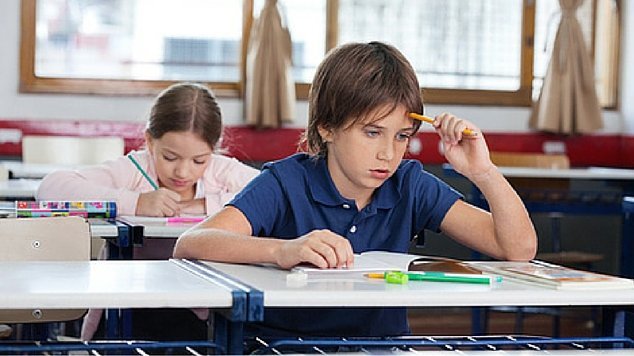
Attention Deficit Hyperactivity Disorder (ADHD) affects how children manage attention, impulse control and activity levels. Medication helps many children, but plenty of parents also look for natural or complementary approaches to try alongside it. ADHD affects children in every country, and families everywhere are increasingly exploring both medical and lifestyle-based ways to help manage symptoms.
Here are six natural ways to help ADHD in children that parents have found useful.
N.B. Always talk to your child’s doctor or medical adviser before making any changes to medication, diet or routine, especially if your child has other health conditions.
6 Natural Ways to Help ADHD in Children
#1. Don’t Skip Breakfast

We often hear that breakfast is the most important meal of the day, and there’s good reason for it. Research published in the Archives of Pediatrics & Adolescent Medicine found that children who ate breakfast regularly had higher reading and maths scores, lower levels of anxiety and hyperactivity, better school attendance, improved attention spans, and fewer behaviour problems.
So try to make sure your child doesn’t skip breakfast. If mornings are a rush in your house, getting everyone up just a few minutes earlier can make a real difference — here are some tips and hacks for making school mornings easier.
Making breakfast protein-rich can help too, as protein helps prevent the blood sugar surges that can contribute to hyperactivity. Protein-rich smoothies, eggs, and wholegrain cereal with milk or yogurt are all good options for a steadier start to the day.
And don’t stop at breakfast — try to keep protein in your child’s diet throughout the day. These Easy Healthy Lunch Ideas and 100 Healthy Lunch Box Ideas are a good place to start.
#2. Know What Food Types Cause Problems

Researchers have long looked at the relationship between diet and ADHD symptoms, and it’s worth knowing which food types might affect your own child.
Keeping a simple food diary and noting any changes in behaviour can help you spot patterns. If you suspect something is causing problems, try removing it for a week and see what you notice.
A few food types worth watching, and worth checking on food labels:
- High-sugar food, snacks and drinks can increase inattention and contribute to hyperactivity in some children with ADHD. Sugar appears under many names on labels — dextrose, maltodextrin and sucrose are just a few — so it’s worth reading carefully.
- Artificial colourings, preservatives and flavourings. Some studies have linked artificial colours and the preservative sodium benzoate to increased hyperactivity in children, so many parents choose to avoid them. Colourings and preservatives can turn up in sauces and even toothpaste, not just food.
- Salicylates, a natural compound found in some fruit and vegetables such as apples, cranberries, grapes and tomatoes, seem to affect some children. Watch your child’s behaviour after eating these and consider cutting back if you notice a pattern.
- Food allergens like wheat, milk, shellfish and nuts can cause issues for children who are sensitive to them. If you suspect a food allergy or intolerance, speak to your doctor or a dietitian to get it properly checked before removing foods from your child’s diet.
A good general approach is a well-balanced diet built around vegetables, fruit, complex carbohydrates and protein, with processed foods and preservatives kept to a minimum.
#3. Spend Time Outside

Time outdoors is good for every child, but it seems to matter even more for children with ADHD. Many parents notice their child can focus better on tasks, with less wandering or distraction, after time spent outside.
Research published in the American Journal of Public Health looked at the link between children with ADHD and time in natural environments. Because it takes more effort for children with ADHD to direct their attention, their focus tends to run out faster. A break to explore freely outdoors seems to help them recover from that fatigue and come back more able to concentrate.
The type of outdoor space seems to matter too — one study found children with ADHD showed greater attention after a 20-minute walk in a park compared with a similar walk through a residential area.
So even if you live in the middle of a city with little green space nearby, try to find some time to get your children somewhere with grass, trees or open space. You might be surprised at the difference it makes.
More ideas: Active Games for the Family, Outdoor Games and Nature Activities for Your Own Garden.
#4. Try Yoga or Tai Chi

Yoga and Tai Chi can also help ease ADHD symptoms in some children.
A German study comparing yoga with traditional exercise for children with ADHD found that the yoga group showed significantly greater improvement in symptoms, including attention problems, than the exercise group. Researchers also found yoga worked well alongside medication rather than in place of it.
Another study, this time with teenagers with ADHD, found that Tai Chi helped too. After ten Tai Chi classes, the teenagers showed less anxiety, better conduct, less daydreaming, steadier emotional responses and reduced hyperactivity.
#5. Massage Can Help

Massage has also shown promise for some children with ADHD. Studies have found that children who received a massage twice a week over a month were more productive in class, less hyperactive, and had an improved mood overall.
#6. Use Neuroscience Gaming to Help Focus

Neurofeedback is a technique that monitors and retrains brainwave activity using positive reinforcement, and it has been recognised as a non-drug approach worth considering for ADHD symptoms such as inattention and impulsivity.
It’s not invasive — neurofeedback works on a learning basis, training the brain to build stronger habits around attention and relaxation. Over time, it helps a child gain more control over how their brain responds in focus-demanding situations.
Smart gaming platforms designed around neuroscience principles use this kind of brain-powered play to help distracted children build focus, which can be particularly useful for children with ADHD.
Related reading: How to Get Your Child to Pay Attention for Homework
Frequently Asked Questions
Can diet really make a difference to ADHD symptoms?
For some children, yes — diet can play a role. Sugar, artificial colourings and preservatives affect some children more than others, so keeping a simple food diary can help you spot patterns specific to your own child. Any suspected food allergy should be checked by a doctor or dietitian rather than managed by trial and error alone.
Do natural approaches mean we can stop medication?
Not necessarily, and that decision should never be made without your doctor. Many of the approaches above, such as yoga, diet changes and time outdoors, are designed to work alongside medication rather than replace it. Always talk to your child’s medical adviser before changing any treatment plan.
Which natural method works best for ADHD?
It varies from child to child. Some families see the biggest difference from diet changes, others from outdoor time, movement-based practices like yoga, or neurofeedback. It often takes some trial and observation to find what helps your own child most.
Is time outdoors really backed by research?
Yes — several studies have looked specifically at children with ADHD and found improved attention after time in green, natural spaces compared with built-up areas. It’s one of the simplest and most accessible options for most families to try.
You Might Also Like
- Healthy Breakfast Ideas That Aren’t Porridge
- 10 Simple School Morning Hacks Guaranteed to Make Life Easier
- How to Get Your Child to Pay Attention for Homework
- 12 Easy Healthy Lunch Ideas Kids Will Love
Save This for Later
Trying a few of these ideas at once can feel like a lot, so it’s worth bookmarking this article or saving it to come back to as you try each approach. You might also enjoy browsing our other family life articles for more practical, everyday parenting ideas.
Want More Ideas Like This?
Sign up for our free newsletter for practical parenting ideas, family activities and offers delivered straight to your inbox each week — it’s free, and full of things you’ll actually use.