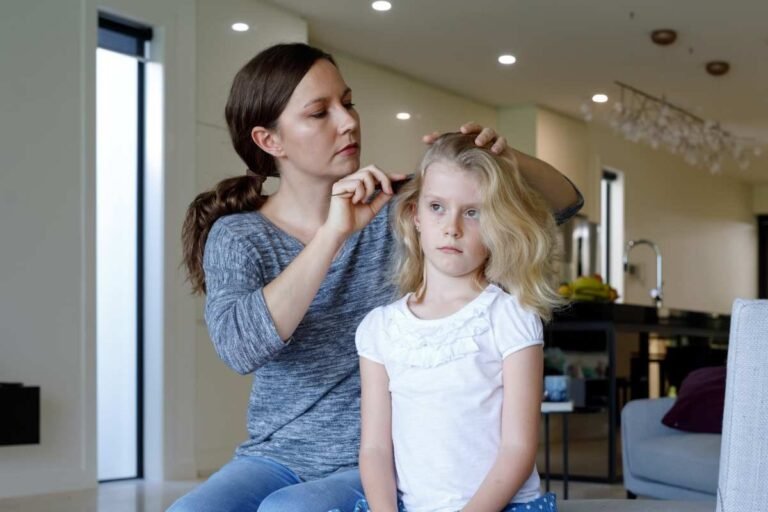

When the long, easy days of summer give way to the routine of the school year, it’s not just parents who feel the shift. Kids feel it too — earlier mornings, more structure, more to think about. Keeping them healthy through it all, physically and mentally, is every parent’s quiet priority.
We can’t control everything, but small, consistent changes can make a real difference. Here are 10 proven tips to help your child stay well, focused and happy this school year.
YOU MAY ALSO ENJOY: 9 Pitfalls to Avoid When Your Child Doesn’t Want to Go to School
Keep Your Child Healthy with These Top Tips
#1. Give Them the Right Food

Mood swings, frustration and trouble concentrating can often be traced back to what’s on the plate. Cutting down on sugar and offering more protein, whole grains and naturally sweet foods — think chicken, eggs, oatmeal and fruit — can make a noticeable difference to how your child feels and behaves.
Start the day with a healthy breakfast, pack a lunchbox full of nourishing options, and don’t forget after-school snacks — this is often when the sugary cravings hit hardest.
#2. Boost Their Immune System
Good food does more than help concentration — it’s one of the best tools you have for keeping your child healthy through cold-and-flu season.
Foods rich in Omega-3, fruit high in vitamin C, raw vegetables and legumes like barley are all recognised as power foods that help boost immunity, helping to keep those recurring colds at bay.
#3. Don’t Overload Their Schedule

Piano lessons, ballet, football — extracurricular activities are wonderful for building new skills, but a packed weekly timetable can leave little room for anything else. At the end of the day, kids need genuine free time too, which brings us to our next point.
#4. Let Them Get Bored
Boredom isn’t something to fix immediately. Experts actually encourage unstructured time, because it teaches children to come up with their own ways to fill the time. That stretch of “nothing to do” is often where imagination, creativity and daydreaming happen.
Looking after your child’s mental health matters just as much as their physical health — so build in time for walks, cuddles, chats and simply slowing down.
YOU MAY ALSO ENJOY: 100 Brilliant Boredom-Busting Activities for Kids
#5. Invest in Active Toys

Between hours sitting at a desk in school and time spent on screens at home, children can end up far less active than they need to be — and that can bring weight gain, frustration and restlessness.
Simple active toys like a small trampoline, a hula hoop or a skipping rope give kids an easy, fun way to move their bodies and burn off energy.
#6. Limit Gadget and Screen Time
Banning gadgets outright is rarely realistic, but you can set sensible time limits so screens don’t take over the day. Apps and games can be entertaining and educational, but too much screen time has been linked to anxiety, sleep problems and weight issues.
Screen time has real benefits when used well — but it’s easy for it to become unproductive without you noticing. For a useful breakdown of the pros, cons and practical recommendations, see this guide from Mom Loves Best.

#7. Keep Their Hands Busy
Worries about school, a tricky bit of homework, or a fallout with a friend can be hard for a child to shake. Keeping their hands busy — through fun crafts or by helping with simple chores — gives their mind a break from whatever’s bothering them, even if just for a little while.
YOU MAY ALSO ENJOY: 101 Fun Activities for Kids That Don’t Involve Screen Time
#8. Playdates Are a Must!
Whether it’s siblings playing outside together or two friends meeting up at the park, real-world play and interaction matter — far more than time spent on social media.
Playing outdoors gives your child a proper mental break. It’s also a great way for them to connect with peers, share a laugh, or let off steam about whatever’s on their mind — building the kind of support system that exists outside the family too.
#9. Strike a Balance Between Work & Play
Every parent wants their child to do well academically, but play deserves just as much priority. Time to rest, mess about and simply be a kid is essential for a happy, healthy childhood — not a distraction from it.
#10. Get Them to Sleep

Good sleep can smooth over almost anything — mood swings, a sore head, even an embarrassing moment at school. Well-rested kids tend to be more focused, happier, and better able to fight off illness.
Not sure how much sleep your child actually needs? Take a look at our guide on how much sleep kids need at different ages.
YOU MAY ALSO ENJOY: 15 Sleep Solutions for When Your Child is Struggling to Get Some ZZZs

FAQs About Keeping Your Child Healthy This School Year
What are the best foods to keep my child healthy during the school year?
Focus on protein, whole grains and naturally sweet foods like fruit, alongside cutting back on added sugar. A solid breakfast, a well-packed lunchbox and healthy after-school snacks go a long way toward steadier moods and better concentration.
How much screen time should my child have on school days?
There’s no single number that suits every family, but setting clear, consistent limits helps prevent the sleep issues, anxiety and inactivity that can come with too much screen time. Balance is the goal, not elimination.
How much sleep does my child need each night?
Sleep needs change with age, so it’s worth checking guidance specific to your child’s age group rather than a one-size-fits-all number. Good sleep supports mood, focus and a stronger immune system.
Why is unstructured play or “boredom” good for kids?
Downtime without a screen or a planned activity gives children space to use their imagination, think independently and simply relax. It’s a genuine part of staying mentally healthy, not time wasted.
Related Articles
- 100 Brilliant Boredom-Busting Activities for Kids
- 101 Fun Activities for Kids That Don’t Involve Screen Time
- 9 Pitfalls to Avoid When Your Child Doesn’t Want to Go to School
- 15 Sleep Solutions for When Your Child is Struggling to Get Some ZZZs
- 100+ Healthy Lunch Box Ideas Your Kids Will Love
Save These Tips for Later
Keeping your child healthy through the school year is easier with a few simple habits in place. Bookmark this article or share it with another parent who could use the reminder — and browse our site for more practical, everyday parenting ideas.
Want More Tips Like This?
Sign up for our newsletter and get useful parenting ideas, activities and school-year tips delivered straight to your inbox each week — no spam, just the helpful stuff.