
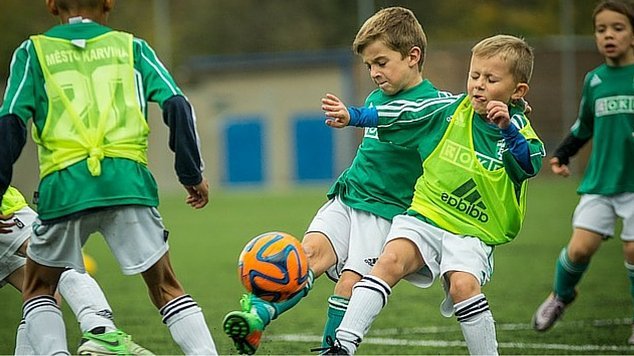
Heading the ball is banned for children aged 10 and under playing organised soccer in the United States, following new safety guidelines from the U.S. Soccer Federation (USSF). The change came out of a class-action lawsuit over concussions in youth soccer, and it reshaped how the game is coached and played at grassroots level.
If your child plays soccer, or you’re weighing up which sports feel right for them, here’s what the rule actually says and why it came about.
What the Rules Say
The USSF guidelines set clear limits based on age:
- Under 10s: no heading the ball at all, in games or training.
- 11 to 13 year olds: heading is allowed but limited — with restrictions on how often it can be practised.
- Older age groups: no heading restrictions under these guidelines.
The rules apply to games and training run under US Soccer’s guidance, and clubs and leagues across the country were expected to build them into how they coach young players.
Why the Change Happened
The guidelines were introduced as part of resolving a class-action lawsuit brought by a group of soccer parents and players against FIFA and some of the sport’s governing bodies in the US. The case argued that not enough was being done to protect young players from head injuries, and it pushed for clearer, enforceable safety rules.
Steve Berman, lead counsel for the plaintiffs, said the new measures met the goals of the case, which was then dropped. As he put it at the time: “We are pleased that we were able to play a role in improving the safety of the sport for soccer-playing children in this country.”
As part of the resolution, US Soccer also committed to a wider concussion awareness and education programme, aimed at coaches, referees, parents and players — not just the heading rule itself.
What This Means for Parents
For families with kids in soccer, the practical takeaway is simple: younger players train and play without heading, and coaches introduce it gradually and with limits as children move into their early teens. The wider education push means coaches and referees are expected to be more alert to head knocks and to know what to do if one happens during a game.
If your child plays soccer outside the US, it’s worth checking with your own national or local football association, as heading rules and youth safety guidelines vary by country and by governing body.
The Bigger Conversation on Player Safety
This ruling was part of a much broader conversation happening across contact and semi-contact sports about how to protect children’s developing brains without taking the fun — or the football — out of the game. Soccer joined codes like American football and rugby in facing pressure to look closely at how young players are trained and protected.
It’s a conversation worth having as a parent, whatever sport your child plays: how much contact is appropriate at what age, and how confident are you that coaches and clubs are trained to spot and respond to head injuries?
You may also like: Soccer: The Beautiful Game
Frequently Asked Questions
What age is the heading ban for in US soccer?
Children aged 10 and under are banned from heading the ball in games and practice under US Soccer Federation guidelines. Players aged 11 to 13 can head the ball, but with limits on how often during training.
Why was heading banned for young soccer players?
The change followed a class-action lawsuit over concussions in youth soccer, brought by parents and players against FIFA and US soccer governing bodies. It was resolved with these new safety guidelines rather than going to trial.
Does this rule apply to kids playing soccer outside the US?
No — this is a US Soccer Federation guideline specific to soccer played under its governance. Parents outside the US should check the rules set by their own national football association or local league.
Is heading unsafe at any age?
The guidelines don’t say heading is unsafe for older players — they focus on limiting it for younger children whose skills and awareness are still developing, alongside better concussion education for coaches and referees.
Join the Conversation
What do you think about rules like this? Do they strike the right balance, or would you like to see youth soccer go further on concussion safety? Share your thoughts in the comments below.
Don’t Miss Our Weekly Ideas
Want more parenting news, activity ideas and family tips like this delivered straight to your inbox? Sign up for our free MyKidsTime newsletter for weekly ideas, or follow us on Facebook, Twitter, Instagram, Pinterest and YouTube.